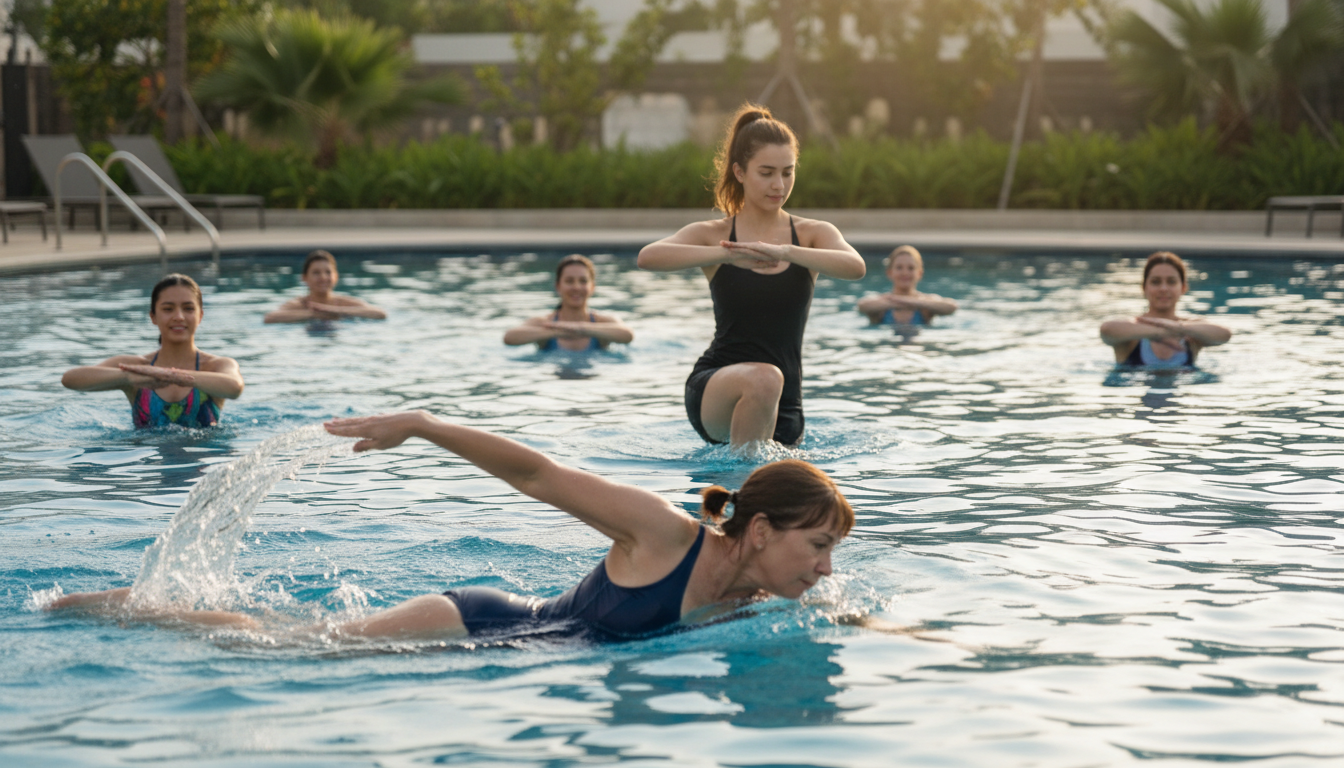
Looking for a way to boost your health without extra strain? Swimming is a low-impact workout that’s great for your joints and builds strength. The water’s natural buoyancy makes it safe for everyone to move around.
Swimming regularly offers amazing health benefits beyond just muscle tone. It greatly improves your heart health and boosts your cardiovascular fitness and swimming abilities. It’s a top choice for a healthy lifestyle.
This guide will show you the main benefits of swimming and how it can change your daily routine. By learning these key points, you can enjoy lasting swimming benefits for better mental and physical health. Let’s explore how to start your journey to total body wellness today.
Key Takeaways
- Water buoyancy reduces stress on your joints during exercise.
- Regular laps improve your heart health and lung capacity.
- This activity is suitable for all ages and skill levels.
- Consistent sessions help tone muscles and increase flexibility.
- The practice promotes mental relaxation and reduces daily stress.
Understanding the Mechanics of Aquatic Buoyancy
Stepping into a pool is like entering a world where physics works in your favor. The water’s natural buoyancy lifts your body, easing the stress on your bones. This makes for a low-impact workout that’s hard to find on land.
How Water Reduces Impact on Your Joints
For those with chronic pain, swimming for joint pain relief is a great option. Water acts as a cushion, absorbing the shock of your movements. This protects sensitive areas, such as your knees and hips.
This method is especially good for those with arthritis or injuries. The water’s support lets you move freely without pain. It also helps improve your flexibility by allowing full motion without gravity’s jarring effect.
The Science of Weightlessness in the Pool
Buoyancy is key to the success of aquatic exercise. When you’re in the water, it pushes up against you, making you feel lighter. This feeling of weightlessness is a big part of hydrotherapy, helping to relax muscles and ease stiff joints.
The water also provides a steady resistance that works your muscles evenly. These water exercise advantages mean you’re getting a good workout in a safe place. You’ll find that swim therapy is both healing and challenging.
Why Swimming Outperforms Land-Based Exercises for Injury Recovery
Swimming has clear advantages over land-based workouts. Unlike high-impact land exercises, aquatic therapy benefits focus on smooth, controlled movements. This makes it perfect for those recovering from surgery or managing joint issues.
| Feature | Land-Based Exercise | Aquatic Exercise |
|---|---|---|
| Joint Impact | High | Minimal |
| Resistance | Gravity/Weights | Water Density |
| Flexibility | Moderate | High |
| Recovery Speed | Slower | Faster |
Adding aquatic therapy to your routine is a smart move. The mix of buoyancy and resistance is perfect for long-term health. By embracing these joint benefits of swimming, you’ll build a stronger, more resilient body over time.
Mastering Cardiovascular Fitness Swimming
Swimming does more than just tone muscles. It’s great for your heart and lungs. Cardiovascular fitness swimming boosts circulation and endurance without harming your joints.
Improving Heart Health Through Consistent Lap Swimming
Regular swimming laps boost your cardiovascular fitness. It makes your heart pump blood better. This can lower your heart rate and reduce your risk of disease.
By swimming, you train your heart to better handle stress. You’ll get stronger and last longer in daily tasks. Staying consistent is key to these benefits.
Monitoring Your Heart Rate for Optimal Aerobic Gains
To get the most from swimming exercise, watch your intensity. Use a waterproof heart rate monitor to stay in your zone. This way, you work hard but avoid too much strain.
| Intensity Level | Heart Rate Target | Primary Benefit |
|---|---|---|
| Low | 50-60% Max | Recovery and endurance |
| Moderate | 60-75% Max | Fat burning and stamina |
| High | 75-90% Max | Peak aerobic capacity |
The Role of Controlled Breathing in Lung Function
Good breathing is crucial for a swimmer’s health. Swimming requires breathing in sync with strokes. This improves lung function and oxygen intake.
Deep, controlled breaths while submerged prevent exhaustion. Mastering this rhythmic control boosts lung capacity and endurance. It’s vital for effective aquatic training.
Achieving Full-Body Muscle Toning
Using aquatic fitness helps you tone your muscles throughout your body. Water offers resistance in all directions, working many muscles at once. This makes your muscles work harder, giving you results without heavy weights.
Engaging Major Muscle Groups with Water Resistance
One big plus of aquatic exercises is working many muscles at once. Water’s density means every move is resistance training. This targets your arms, legs, and back, improving your fitness.
Your muscles stay tense while swimming. This helps build lean muscle and keeps your heart rate up. It’s a great way to get fit without stressing your bones too much.
Comparing Swimming Resistance to Traditional Weight Training
Water offers unique benefits compared to gym weights. While weights rely on gravity, water resists in all directions. This makes swimming a better way to build endurance than lifting weights.
| Feature | Swimming | Weight Training |
|---|---|---|
| Resistance Type | Omnidirectional | Gravity-based |
| Joint Impact | Very Low | Moderate to High |
| Muscle Engagement | Full-Body | Isolated |
Developing Core Stability Through Aquatic Movement
Swimming also strengthens your core. Your core is key to balance in the water. This makes your abs work harder than on land.
Adding specific drills to your routine can boost your core strength. These exercises improve your posture and balance. Over time, you’ll feel more stable and agile in your daily life.
Leveraging Swimming for Metabolic and Blood Sugar Control
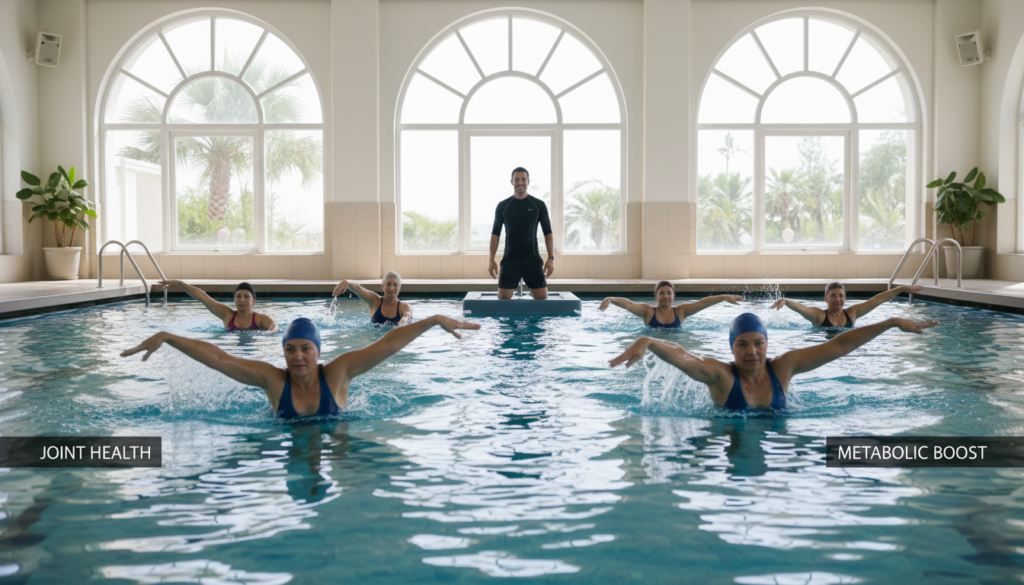
Swimming does more than just burn calories. It helps your body manage energy better. This makes it a key part of a healthy lifestyle.
How Aquatic Exercise Enhances Insulin Sensitivity
Being in the water changes how your body works. It makes your cells better at using insulin. This is a major reason swimming is good for you.
Swimming does more than just make muscles strong. It helps your body use glucose faster. This is good for your pancreas and keeps your blood sugar stable.
Managing Glucose Levels Through Regular Pool Sessions
Swimming regularly helps your body manage blood sugar. It’s especially good for people who need to watch their blood sugar levels.
Swimming keeps your metabolism in check. It improves blood flow and helps nutrients reach your cells. This keeps your body balanced and healthy.
The Long-Term Metabolic Advantages of Consistent Swimming
Swimming regularly helps you stay healthy in the long run. It keeps your body composition in check. This is important for avoiding metabolic problems.
Swimming sessions improve energy and metabolism. Making swimming a regular part of your life is good for your health. It helps your body stay in balance.
Cultivating Mental Wellness and Stress Relief
Swimming can be a powerful ally for your mental health. It offers more than just physical benefits. When you swim, you step away from digital distractions and connect with yourself.
The Meditative Rhythm of Lap Swimming
Swimming’s repetitive strokes create a meditative state. It’s hard to find on land. As you swim, your mind moves away from worries.
This rhythmic flow is like moving meditation. It clears your mind with each lap. Swimming helps you stay present and focused.
Releasing Endorphins to Boost Your Mood
Swimming regularly releases endorphins, making you feel good. This is key to stress relief swimming. You’ll notice a mood boost after swimming.
You can adjust your swim to fit your mood. Whether it’s a calm swim or a fast one, it helps. Consistency keeps these mood benefits coming.
Using the Pool as a Sanctuary for Mental Clarity
The pool is a quiet place where the world outside fades away. It’s perfect for those looking to improve their mental health. Here, you can think clearly without distractions.
Here’s a table showing how swimming helps your well-being:
| Activity Type | Primary Mental Benefit | Intensity Level |
|---|---|---|
| Slow Lap Swimming | Deep Meditation | Low |
| Interval Training | Endorphin Release | High |
| Water Walking | Stress Reduction | Very Low |
| Structured Drills | Mental Focus | Moderate |
Swimming helps you build mental strength. It makes you more resilient. Embrace the pool’s silence for mental clarity.
Tailoring Your Swim Routine for Different Fitness Levels
Whether you’re starting out or training for a triathlon, your swim routine should grow with you. Finding the right balance lets you swim for fitness while your body recovers well. Adjusting your intensity helps keep your habit sustainable and supports your health goals.
Starting Your Journey as a Beginner Swimmer
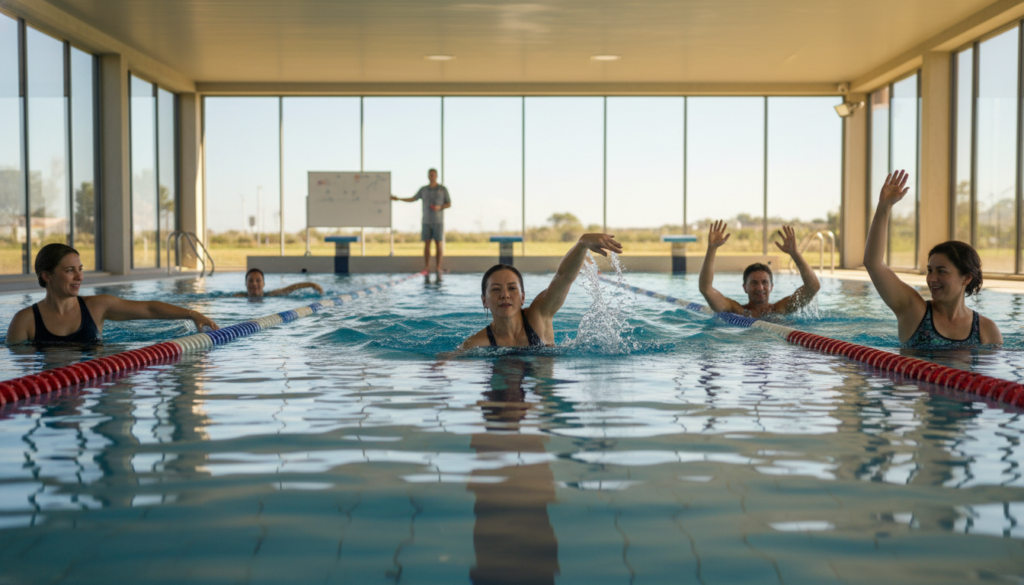
If you’re new to swimming, focus on getting comfortable and consistent, not fast. Start with short sessions, like 15 to 20 minutes, to help your muscles get used to the water’s resistance. Consistency is more important than intensity at first.
Try basic strokes like freestyle or breaststroke to build confidence. You don’t need to swim far to see results. Just moving in the water helps you develop coordination for more complex strokes later.
Adapting Techniques for Seniors and Those with Arthritis
For seniors, swimming is a safe way to stay active without putting undue strain on their joints. Water aerobics and aqua fitness classes are great for this. They focus on gentle movements and range of motion.
“The water is the most forgiving environment for the human body, allowing movement that would be impossible on land.” — Anonymous
When swimming as a senior, use flotation devices for support. They help keep you in the right position while enjoying the water aerobic benefits. Always listen to your body and prioritize comfort over speed for a safe swim.
Progressing Toward Advanced Endurance Training
Once you have a solid base, start swimming endurance training to challenge yourself. This means swimming longer and resting less between laps. This training boosts your heart and muscle endurance.
Effective swimmer’s endurance training needs a plan to track your progress. You’ll see big swimming endurance benefits as your heart rate improves during longer swims. Use the table below to plan your sessions based on your goals.
| Fitness Level | Primary Focus | Session Duration | Intensity Level |
|---|---|---|---|
| Beginner | Technique & Comfort | 15-20 Minutes | Low |
| Intermediate | Distance & Rhythm | 30-45 Minutes | Moderate |
| Advanced | Speed & Stamina | 60+ Minutes | High |
Essential Techniques for Efficient Swimming
Being efficient in the water is key to a great swimming experience. By mastering swimming techniques, you can reduce drag and swim more easily. These swimming exercises help you use your energy wisely and keep a steady pace.
Perfecting Your Stroke for Maximum Efficiency
A good swimming technique starts with the right body position. Keep your head straight and your core tight to stay flat on the water. This is a major swim-training advantage that lets you glide smoothly.
Work on rotating your hips and shoulders with each stroke. This helps you go further and eases shoulder stress. Consistency in your stroke makes your swimming smoother and faster.
Utilizing Drills to Improve Your Aquatic Form
Adding swimming drills to your routine can really help. For example, catch-up drills improve your entry into the water and your pull. These swimming exercise advantages make every movement count.
Use a kickboard to focus on your legs or a pull buoy for your arms. Breaking down your stroke helps build muscle memory for a stronger swim. Regular drills make your swimming more effective.
Safety Protocols for Your Time in the Water
Keeping safe is crucial for enjoying your swimming. Always start with a warm-up to get your muscles ready. It’s also important to stay hydrated, even though you’re in water, because you still sweat.
Pay attention to your surroundings and follow pool rules for everyone’s safety. If you feel tired or uncomfortable, stop and check your form before swimming again. Listening to your body helps avoid injuries and keeps you swimming regularly.
Integrating Swimming into Your Weekly Fitness Plan
Whether you’re new to swimming or have been doing it for years, having a plan is key. It turns every lap into a step towards your goals. Being consistent is crucial for any fitness journey, especially when you want to get the most out of swimming laps.
By organizing your time in the water, you make sure every session helps improve your physical condition. This is important for long-term fitness.
Structuring Your Weekly Swim Workouts
To see real results, aim for three to four swim sessions a week. A good swim workout includes a warm-up, a main set, and a cool-down. Using different swim workout plans keeps your body challenged and prevents boredom.
Vary your sessions by mixing long, steady-state swims with shorter, high-intensity intervals. This mix is key for swimming for weight loss, keeping your metabolism up. Remember, pool workout benefits go beyond muscle tone; they also boost your heart health.
Balancing Intensity and Recovery Days
It’s important to push your limits, but your body needs time to recover and get stronger. Make sure to have at least one rest day between tough swimming workouts. This balance prevents burnout and injury, helping you stay on track in the long term.
On rest days, do light stretching or gentle movement to keep your joints loose. Proper recovery is just as important as the exercise itself when aiming for swimming weight-loss benefits. Listen to your body and adjust your intensity as you feel each day.
Tracking Your Progress and Calorie Burn
Keeping track of your performance is a great way to stay motivated and reach your goals. Many swimmers find that lap swimming burns calories similarly to running, making it a great choice for efficient results. Use waterproof fitness trackers or logbooks to record your distance, time, and effort.
Tracking your metrics shows how your swimming for weight loss efforts are paying off over time. Use the table below to see how different intensities affect your energy expenditure during sessions.
| Intensity Level | Focus Area | Estimated Calorie Burn |
|---|---|---|
| Low Intensity | Recovery & Form | 300-400 kcal/hr |
| Moderate Intensity | Endurance Building | 500-600 kcal/hr |
| High Intensity | Weight Loss & Speed | 700-800+ kcal/hr |
By watching your lap swimming calorie burn, you can fine-tune your routine to meet your needs. Stay consistent, track your progress, and enjoy the transformative power of the water.
Conclusion
Diving into the pool can change your life for the better. It gives you a special place to work out and get healthier. Your body and heart will thank you.
Swimming does more than just keep you fit. It builds your strength and sharpens your mind. It’s a key part of staying healthy and feeling good.
Sticking to swimming is crucial. It makes you stronger and happier over time. You’ll feel more energetic and happy as you keep swimming.
Swimming can be a peaceful escape from everyday worries. Every stroke you take helps you grow stronger. Start swimming today and let the water help you grow.
Swimming makes your life better in many ways. Keep challenging yourself and enjoy the benefits of a stronger body. The pool is ready for you.