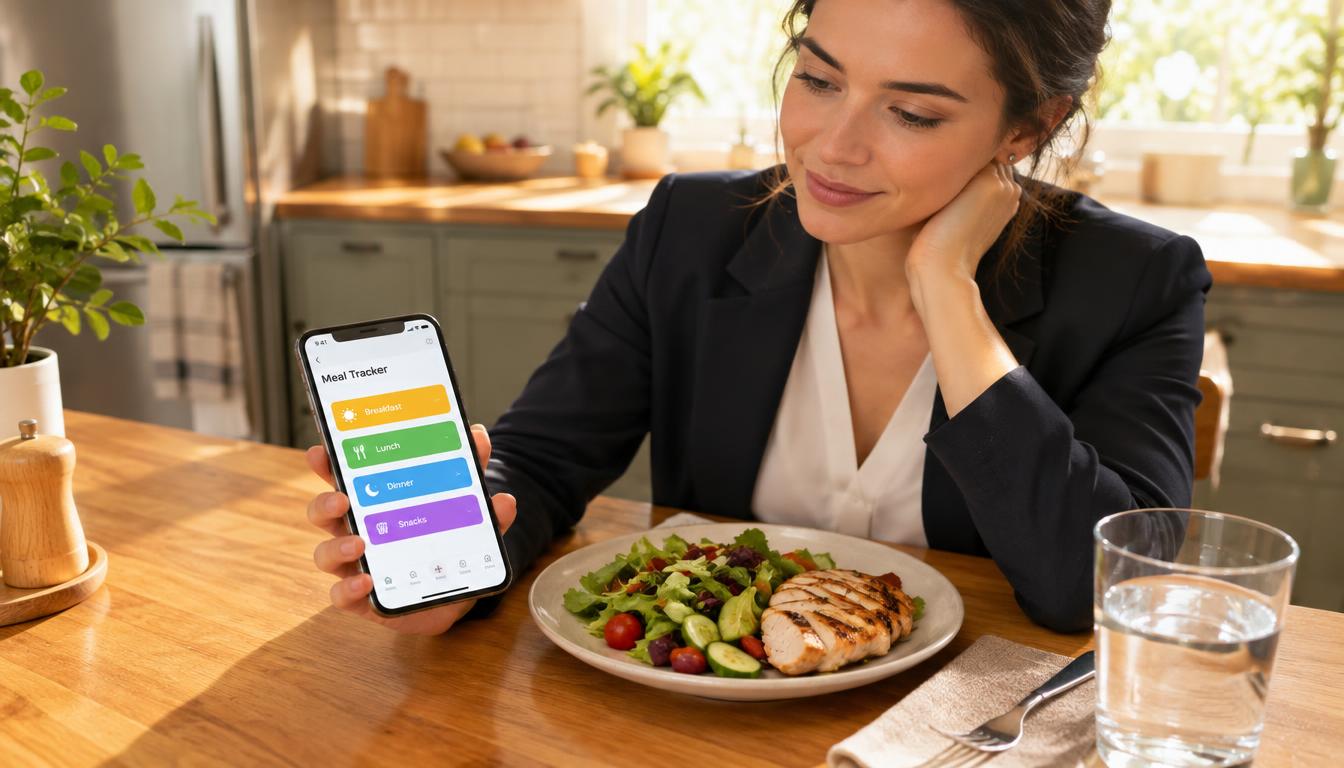
You open your tracking app again to figure out an ordinary lunch, then lose your appetite for the numbers. If logging every meal takes more time than enjoying it, a simpler routine may help. Fat loss still requires a calorie deficit, but you do not need a food scale or app to create one. Predictable meals, planned variety, and awareness of portions can help you make steady choices without constantly tracking calories or macros.
Sensory-specific satiety (SSS) may also help explain why new flavors can draw you toward more food. Menopause-related body changes can disrupt routines, but they don’t make progress impossible. A simple fat-loss plan can reduce decision fatigue without turning meals into chores. If you want to lose fat without counting calories, start with meals you can repeat and adjust. Here is a practical way to make eating predictable without losing the joy.
Key Takeaways
- Fat loss requires an energy deficit, but you don’t have to track every calorie.
- Repeatable go-to meals can reduce daily food decisions.
- Use visual portions as flexible starting points, not strict rules.
- Rotate flavors and ingredients to keep familiar meals appealing.
- Adjust one habit at a time when progress stays flat.
What Changes With Fat Loss Over 40?
Age can change the conditions around fat loss, but it does not make progress impossible. Fat loss still depends on energy balance: over time, your body must use more energy than you take in. Muscle, movement, sleep, stress, and menopause-related symptoms can affect how easy that balance feels.
Age may change your routines and energy needs, but it does not prevent fat loss.
These influences differ from person to person. Muscle may decline without regular use, while changes in work, pain, or free time can reduce daily movement. Poor sleep and stress may affect appetite, food choices, and energy. Menopause can bring symptoms that change sleep or activity, but no single hormone explains every change.
Scale weight also tells only part of the story. It includes water and other changes, while body composition describes the balance of fat and lean tissue. A stable scale does not always mean your strength, waist, or clothing fit stayed the same.
For a broad review, look at four parts of your routine:
- Strength and muscle maintenance
- Daily movement outside planned exercise
- Sleep quality and stress levels
- Eating routines that fit your schedule
These points can help you understand fat loss in older adults without assuming age is the only cause. The same care matters when considering a weight-loss diet after 40 or metabolic health. A practical routine should account for changing needs, and predictable meals can make daily choices easier.
Why Can Predictable Meals Reduce Overeating?
A broad spread of tempting foods can make it easier to keep eating after one food loses its appeal. Sensory-specific satiety (SSS) is the tendency for a particular food’s appeal to fade as you eat it, while new flavors can still seem appealing. This response may help explain eating patterns, but it does not predict what you will eat.
What sensory-specific satiety means
During a meal, the taste and smell you have experienced repeatedly may feel less exciting. A different flavor can renew your interest, such as moving from a savory dish to a sweet dessert. That shift is a normal response, not a diagnosis or proof that you will overeat.
A buffet offers many flavors at once, so you may keep sampling after you feel satisfied with one item. At home, a smaller set of familiar choices can lower that pull. A repeatable meal strategy may also make portions and hunger cues easier to notice.
How strategic variety keeps meals appealing
Predictable does not have to mean the same meal every day. Rotate a few proteins, vegetables, seasonings, or cuisines across the week. For example, chicken and vegetables can take on different flavors with salsa, herbs, or curry spices.
Changing one or two parts keeps meals interesting while the basic routine stays familiar. This can reduce the effort of choosing from endless options at every meal. Repeatable meals may make portion awareness easier, but they don’t automatically control calories for everyone.
Use the approach as a choice, not a rule. If a meal stops appealing, rotate an ingredient or choose another go-to meal. The aim is controlled variety, not identical meals forever, and a simple portion structure can provide a useful base for rotation.
How Do You Build a Meal Without Weighing It?
You can assemble dinner by sight instead of entering each ingredient into an app. Visual portions offer starting cues, not rigid prescriptions, and you can adjust them to your needs. A simple plate structure can guide portion awareness without weighing every bite.
| Food group | Visual cue | Examples | Meal role |
|---|---|---|---|
| Protein | Palm | Eggs, fish, poultry, or beans | Supports fullness and muscle maintenance |
| Vegetables and fruit | One to two fists; vegetables fill about half the plate when practical | Broccoli, peppers, berries | Adds volume and fiber |
| Starch | Cupped hand | Potatoes, oats, rice, or whole grains | Provides a satisfying carbohydrate portion |
| Fats | Thumb-sized cue | Oil, nuts, seeds, or avocado | Adds flavor; keep portions visible because fats are energy-dense |
Filling about half your plate with vegetables is a practical way to eat more. It also leaves less room for higher-calorie foods, without banning any food. Smaller plates can help some people judge portions, though plate size is not a prescription.
In the United States, dinner plates were reported to be 44% larger on average than in the 1980s. In one buffet study, people using larger dinner plates ate 45% more food than those using smaller plates. These findings describe group results, not a rule for every person.
Visual portions create a starting structure you can adapt to hunger, activity, and medical needs. Next, choose foods that make that structure satisfying and filling.
Which Foods Belong in Your Go-To Meals?
A useful go-to meal combines a protein source with produce, then adds a satisfying starch and a measured fat. Choose foods you enjoy, rather than relying on a narrow list of supposedly perfect choices. Protein and fiber-rich produce can help meals feel more filling.
Start with protein and fiber-rich produce
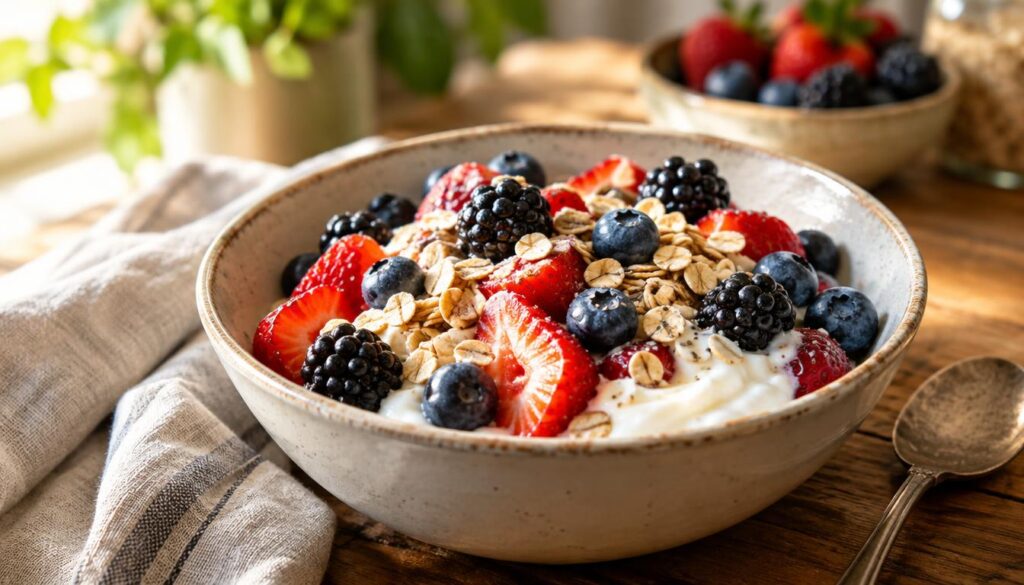
Practical lean protein sources for weight loss include eggs, poultry, fish, Greek yogurt, tofu, beans, and lentils. Pair them with vegetables or whole fruit for fiber and meal volume. These high-volume, low-calorie foods can help make a plate more satisfying.
Protein at meals can support fullness and help preserve muscle. Your protein intake needs depend on factors such as health, activity, and food preferences. If you have a medical condition, ask a qualified health professional about your needs.
Add a satisfying starch and a measured source of fat
Potatoes, oats, rice, and whole grains can all fit as starch choices. Potatoes can add a filling component to a meal, but no food is a fat-loss shortcut. Choose a portion that suits your appetite and routine.
Olive oil, nuts, seeds, and avocado add flavor and useful fats. They are energy-dense, so portion them deliberately rather than pouring or eating straight from a large container. That is healthy fat portion control without treating fats as forbidden.
Food needs vary, and medically restricted or poorly tolerated foods do not belong in your plan. Choose another option instead of forcing yourself to eat something that causes symptoms or conflicts with care. These components work across many cuisines, which makes it easier to decide how much variety your routine needs.
How Much Variety Helps Without Triggering More Cravings?
Keep the same chicken-and-vegetable meal structure, then change its seasoning and starch. That small shift can make dinner feel different without creating a new plan each night. “Boring” means dependable, not bland or identical.
Rotate one or more parts of your meal while keeping its familiar structure:
- Change the seasoning or sauce.
- Switch among protein sources.
- Try roasting, grilling, or steaming.
- Rotate fruit, vegetables, and starches.
Keep energy-dense fats and sauces visible and portioned. A 16-ounce bottle of Coca-Cola contains nearly 200 calories and 44 grams of sugar. Drinks can add energy without making a meal more filling, though one beverage alone does not determine weight.
People often ask what happens after 2 weeks of no carbs. An early scale drop can partly reflect water and glycogen shifts, not just body fat. Carbohydrate restriction isn’t required for fat loss, and a quick scale change cannot show exactly which tissue changed.
Potatoes can fit alongside protein-rich meals, and a planned rotation supports whole-food nutrition for weight loss without a rigid menu. Search phrases like “potato satiety index weight loss” may suggest a single food has special power, but overall portions and patterns matter more. Try a small, planned rotation instead of starting a new diet each week, then build habits that help when appetite or schedules change.
How Can You Make Hunger and Meal Decisions Easier?
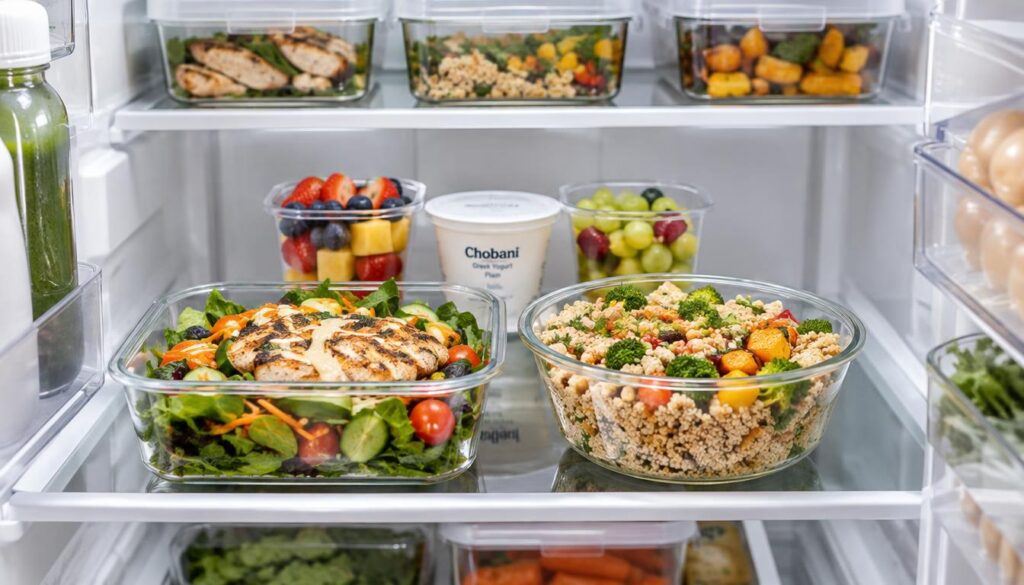
On a packed workday, a preselected lunch in the fridge can spare you a last-minute food decision. Simple defaults reduce decision fatigue and support healthy meal planning for weight loss. Plan for your busiest days, not an ideal week.
Set up defaults for busy days
Choose a few breakfasts, lunches, dinners, and backup options in advance. Keep convenient ingredients on hand, such as frozen vegetables, canned beans, or yogurt. A sandwich or a quick bean bowl can work as a backup when plans change.
Pick options that fit your time and kitchen access. You might repeat breakfast during the week, then rotate lunches and dinners. Meal planning works best when the choices match your real schedule, not an imagined routine.
Use hunger and fullness cues without treating them as rules
Try eating seated and with fewer distractions. Pause during the meal and check whether you feel comfortably satisfied. Hunger cues can guide your choices, but stress, sleep, medication, and schedule can affect them.
In one study, distracted eaters consumed 30% more snacks than mindful eaters. One study also found that drinking 2 cups (500 mL) of water before a meal was associated with about 13% lower calorie intake at that meal. These findings are possibilities, not guaranteed effects or requirements.
You do not need to wait for intense hunger or stop at a strict level of fullness. Use the cues you notice alongside practical needs, such as a long shift or a workout. Defaults reduce effort without becoming rigid, and everyday movement and sleep can support a sustainable routine.
Which Daily Habits Help Preserve Muscle and Support Health?
Meals are only one part of a routine that can protect strength and support health. Resistance training can help preserve muscle during fat loss, while walking or other manageable movement supports an active routine. Neither replaces the calorie deficit needed for fat loss.
| Habit | Practical version | What it supports | Keep in mind |
|---|---|---|---|
| Strength training | Regular resistance sessions suited to your experience | Muscle and strength | Start at a manageable level; adapt for injury or medical advice |
| Walking or daily movement | Choose movement that fits your schedule | Activity and consistency | A step target is not mandatory |
| Sleep routine | Keep a consistent sleep window where possible | Recovery and appetite management | Needs and sleep quality vary |
You can start strength training with movements that suit your experience, then build gradually. A trainer or health professional can help you adapt movements around an injury or medical concern. Daily movement can include walking, running errands, or taking regular breaks from sitting.
Body composition may change without a smooth trend on the scale. You could gain strength while losing fat, so the scale may not show every change. That does not prove body recomposition, but it is one reason to consider more than weight alone.
Choose habits you can sustain instead of an all-or-nothing exercise push. A steady routine gives you more context when the scale appears to stall.
What Should You Change When Progress Stalls?
If the scale has stayed steady for a few days, you may feel tempted to replace your whole plan. Wait before making a major change, because daily weight can shift with water, food, and other normal changes. A few unchanged weigh-ins do not prove a plateau.
Check the trend before changing the plan
Look at your weight under similar conditions, such as the same time of day and a similar routine. Compare the trend over time rather than focusing on one reading. A sustained flat trend offers more useful information than several days alone.
You can also notice waist measurements or clothing fit, if those feel useful. These measures do not tell you whether visceral fat changed. They simply add another way to track how your body or clothes feel.
Make one small adjustment at a time
Check whether portions of energy-dense extras have grown, or drinks and sauces have changed. Notice unplanned snacks and any drop in daily movement. A small change in one area may be easier to maintain than a complete overhaul.
Choose one manageable factor, adjust it, and give yourself time to assess the result. Changing several habits at once makes it harder to tell what helped. Metabolic adaptation can affect energy use during weight loss, but it does not make progress impossible.
Crash diets can be hard to sustain and may cost lean mass. A severe cut may also leave you tired or hungry, making it harder to stick to your routine. No guaranteed plateau-breaking trick exists, and changes should fit your health and daily life.
Treat a plateau as a reason to calmly inspect your routine, not as proof of failure. Once you have a steady approach, you can build a simple week around it.
How Do You Turn the Framework Into a Simple Week?
Before shopping, choose one breakfast, one lunch, and one dinner you would gladly eat again. Mix-and-match examples can help you plan without setting a prescribed calorie target. Use meals you enjoy as the base of your go-to meals.
| Meal | Protein | Produce or fiber source | Starch or fat |
|---|---|---|---|
| Breakfast | Eggs or Greek yogurt | Fruit or vegetables | Oats or whole-grain toast |
| Lunch | Tuna, chicken, tofu, or beans | Salad vegetables or fruit | Potato, rice, or whole-grain bread |
| Dinner | Fish, poultry, tofu, or lentils | Two chosen vegetables | Potato, rice, or measured cooking fat |
These are flexible combinations, not a set calorie plan. Swap ingredients to fit taste, budget, time, and access. Start with a few options, then grow as you learn what works.
Use these five steps to get the first rotation ready:
- Choose two or three meals you enjoy.
- Check which ingredients you already have.
- Shop for missing proteins and produce.
- Prepare one or two components ahead.
- Keep a backup meal for a disrupted day.
You may see searches for “Ivana Chapman fat loss” while you look for ideas. Treat a search phrase as a label, not proof of a particular claim. Menopause symptoms and food needs vary, and a medical condition may call for individualized advice.
Start with meals you genuinely like, then adjust the ingredients to suit your week. Those choices can also guide you when you eat out.
How Do You Keep Meals Practical Outside the Home?
At a restaurant, you can choose a familiar meal structure without logging every menu item. Simple choices help you stay flexible when dining with friends or traveling. One restaurant meal isn’t a setback.
Choose a meal that suits you, enjoy the occasion, and return to your usual routine afterward.
Restaurant portions can be larger than expected. Taking part home or sharing a dessert are options, not obligations. You do not need to skip food later to compensate for eating out.
Use this checklist when it helps:
- Choose a meal with a clear protein source.
- Add vegetables or fruit where available.
- Ask for rich dressing or sauce on the side.
- Choose a regular drink size and consider liquid calories.
One tablespoon (15 mL) of mayonnaise adds about 57 calories, which shows how a calorie-dense condiment can add up. You don’t need to eliminate every condiment; choose the amount that suits you. Sleep consistency, sleep quality, and stress management matter across the week, not just during restaurant meals.
Practical choices matter more than perfect choices. For your next meal away from home, pick one item from the checklist and enjoy the rest of the occasion.
Conclusion
A workable plan should fit ordinary life, not demand perfect tracking. Fat loss still requires an energy deficit, and repeatable meals can make that easier without counting every calorie. Small, familiar choices can save effort while leaving room for food you enjoy.
Start with three meals you already like and use them as this week’s rotation. Adjust the ingredients to fit your schedule, appetite, and needs. Then write a grocery list for those meals and buy what you need for the first few days.