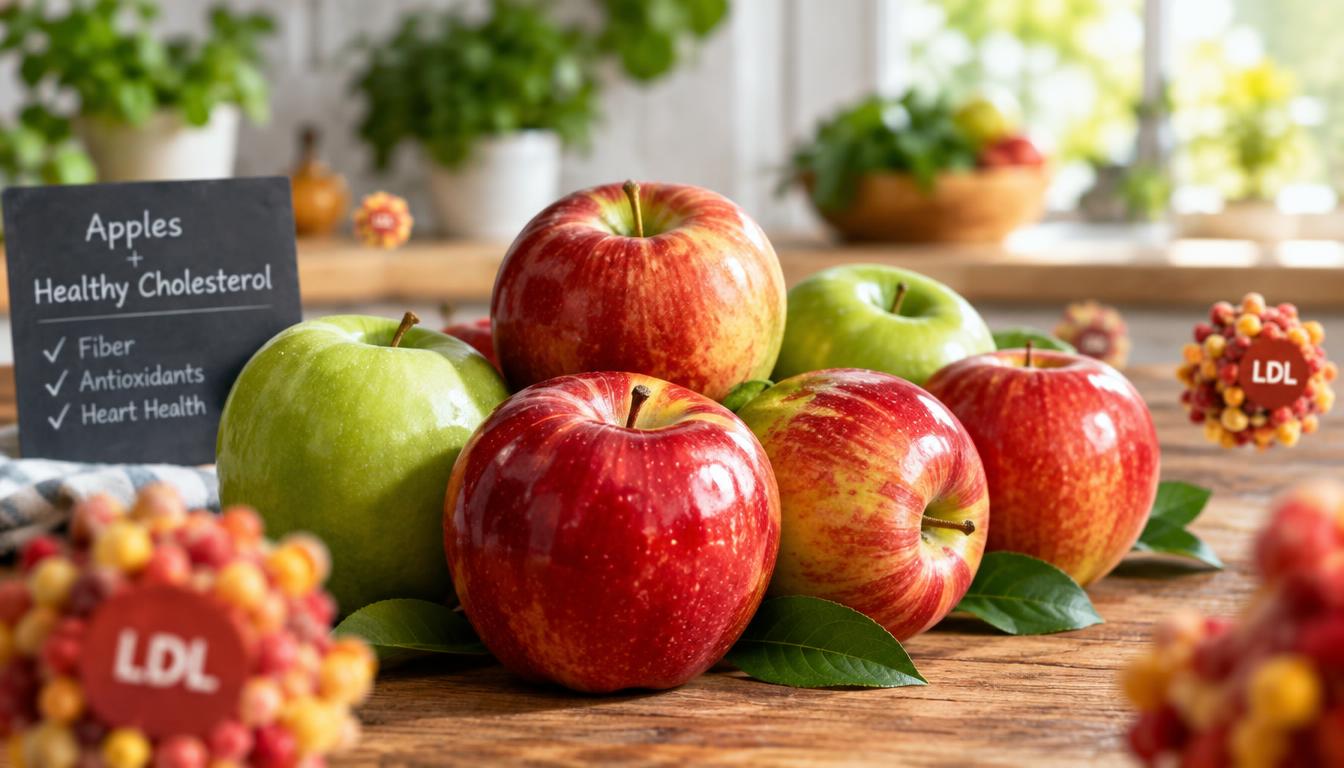
Apples and cholesterol are connected through the fruit’s fiber and plant compounds, which may support heart health. As one of many nutrient-rich foods, apples may contribute to healthier cholesterol levels when included in a balanced eating pattern.
The main benefits come from soluble fiber (pectin) and apple polyphenols. These compounds may help lower LDL cholesterol naturally, although the effect is expected to be modest and depends on your overall diet. Whole apples generally provide more fiber than apple juice.
Apples support, but do not replace, medical treatment for high cholesterol. Use them as part of a balanced lifestyle and seek professional advice when needed.
Key Takeaways
- Whole apples provide more fiber than clear apple juice.
- Soluble fiber may support healthy cholesterol levels.
- Polyphenols add plant compounds that may benefit heart health.
- A varied eating pattern matters more than one food.
- Ask your clinician before making major health changes.
Apples and Cholesterol: What the Latest Evidence Shows
Research on apples and cardiovascular health is encouraging but limited. No single food can prevent heart disease, but a heart-healthy diet may improve cholesterol and reduce heart disease risk over time. Small, consistent dietary changes usually matter more than relying on one fruit.
What recent research reports about two fresh apples daily
One clinical trial examined adults who ate two fresh apples each day and reported modest improvements in blood lipid markers compared with the control group. The findings suggest this habit may help lower cholesterol, but they do not establish that apples alone lower LDL cholesterol or prevent cardiovascular events. Study duration, participant characteristics, and the usual diet can affect the results.
“Sustained dietary changes can support cardiovascular health, but they should complement—not replace—evidence-based medical care.”
Who may benefit most from modest LDL improvements?
People seeking to lower cholesterol may find these findings most relevant when their LDL is mildly elevated. Even a small LDL reduction can lower heart disease risk when combined with other healthy habits. Understanding HDL vs. LDL cholesterol helps explain why you should interpret cholesterol levels in context.
People who may benefit include:
- Adults with mildly elevated LDL readings.
- People seeking fiber-rich foods that may help lower cardiovascular risk.
- Those looking for affordable fruits, plant protein, and sustainable meal changes.
Why the findings support dietary change rather than a single “superfood” claim
Apples may fit among foods lower in saturated fat, but they are not a complete treatment for high cholesterol. A varied plan can include fruit, vegetables, beans, and fish. Choose fatty fish for omega-3 fats, plant protein instead of some processed meat, and aim for fish about twice a week when appropriate. This broader pattern may help lower LDL and support the heart.
Why LDL Cholesterol Matters for Your Heart Health
A lipid panel shows important information about cardiovascular risk, but it is only one part of the picture. Total cholesterol, LDL cholesterol, HDL cholesterol, triglycerides, blood pressure, and other factors help clinicians assess your overall risk. Understanding these markers can guide practical choices for better heart health.
How LDL and HDL cholesterol differ
Cholesterol is a waxy substance your body needs for cell membranes and hormones. Low-density lipoprotein, or LDL cholesterol, carries cholesterol through the blood and can contribute to plaque buildup in artery walls when levels remain elevated. High-density lipoprotein (HDL) helps transport some cholesterol back to the liver for processing, but a higher HDL number does not eliminate other cardiovascular risks.
Why lower LDL is generally linked with lower cardiovascular risk
Persistently high LDL is associated with higher heart disease risk because plaque can narrow arteries over time. In appropriate patients, reducing LDL levels through lifestyle changes, medication, or both can lower cardiovascular risk. The best approach depends on your individual health history.
Diet can support lower LDL, but it is not a substitute for prescribed treatment. Replacing saturated fats with unsaturated options may improve cholesterol levels and support long-term heart health.
How cholesterol levels fit into your broader risk profile
Consider your cholesterol levels alongside age, blood pressure, diabetes, smoking, family history, and previous disease. Heart-healthy foods can complement medical guidance:
- Oats and barley: soluble fiber may reduce cholesterol absorption.
- Nuts: provide unsaturated fats and plant nutrients.
- Olive oils: can replace butter and other saturated fats.
- Vegetables: add fiber and protective nutrients.
- Beans: provide plant protein and soluble fiber.
How Apple Pectin Helps Lower LDL Cholesterol Naturally
Your digestive tract plays an important role in how your body handles cholesterol. A balanced eating pattern that includes fiber-rich foods may help lower LDL cholesterol and support heart health. The effect depends on your total daily fiber intake and overall diet, not on one food alone.
How soluble fiber works differently from insoluble fiber
Insoluble fiber adds bulk to stool and helps move waste through the intestines. Soluble fiber dissolves in water and forms a gel-like substance during digestion.
This gel can slow digestion and may reduce the absorption or reabsorption of some cholesterol-related compounds. As part of a varied diet, apples may help lower LDL cholesterol levels.
How pectin binds cholesterol and bile acids in your gut
Apple nutrition facts include pectin, a type of soluble fiber. In the digestive tract, pectin may bind bile acids and cholesterol-containing compounds, helping move some of them out of the body in stool instead of allowing them to return to the bloodstream.
Why the liver pulls more cholesterol from your blood
When more bile acids leave the body, the liver must make replacements. It may use cholesterol from the bloodstream, which can lower LDL cholesterol over time. This mechanism differs from foods that primarily lower triglycerides.
How dietary fiber intake supports regular elimination
Regular fiber intake supports digestion and may improve cholesterol levels. A heart-healthy food plan should include varied plant sources rather than focusing only on the difference between unsaturated and saturated fats.
- Apples: Provide pectin.
- Oats: Supply beta-glucan, another type of soluble fiber.
- Beans: Add fiber and plant protein.
- Vegetables: Provide fiber and other nutrients.
Apple Polyphenols May Protect LDL From Oxidation
Beyond soluble fiber, apples contain plant compounds that may complement a cholesterol-conscious eating pattern. These compounds may support heart health, but laboratory antioxidant activity alone does not prove a reduced risk of heart disease.
Understanding the potential role of polyphenols helps explain why whole apples can fit into a varied diet. However, they should not be presented as a standalone treatment for high cholesterol.
What polyphenols are and where they occur in apples
Polyphenols are naturally occurring plant chemicals with antioxidant activity. Apple skin and outer flesh contain compounds such as quercetin, although amounts vary by apple variety, growing conditions, and storage.
Eating the whole fruit provides a combination of fiber and plant compounds. For this reason, apples and cholesterol research generally applies more directly to whole fruit than to isolated extracts.
How apple polyphenols may inhibit LDL oxidation
Oxidation can change LDL particles and may contribute to plaque formation. In laboratory and preliminary research, apple polyphenols may help neutralize free radicals associated with this process. Human evidence does not establish that they directly prevent artery disease.
This potential antioxidant effect is different from removing LDL cholesterol from the blood. Polyphenols may influence how LDL behaves, while soluble fiber may reduce cholesterol absorption and increase its excretion.
Why antioxidant activity is different from directly lowering LDL levels
Many cholesterol-lowering foods work through fiber, plant sterols, or healthier fat substitutions. Soluble fiber may lower LDL cholesterol, while polyphenols may provide additional antioxidant activity. Neither effect proves that apples alone reduce cardiovascular risk.
Together, these nutrients make apples a useful part of a balanced eating pattern, not a cure for high cholesterol or heart disease.
What the Two-Apples-a-Day Findings Suggest
If you want to support heart health, eating two apples a day may be one practical dietary choice. Limited research suggests this habit could modestly improve some lipid markers, but it does not guarantee heart disease prevention or reduce heart attack risk. To understand how apples help with cholesterol, consider the study design and its limitations.
How eating two fresh apples daily may affect lipid profiles
One study examined adults who ate two fresh apples each day and observed modest changes in their lipid profiles. The fruit’s pectin and other compounds may contribute to lower LDL cholesterol, but the findings do not prove that apples alone cause the change. Individual responses may vary based on a participant’s usual diet, metabolism, and baseline levels.
Why the results are especially relevant to mildly elevated cholesterol
Small dietary changes may be most relevant for people with mildly elevated cholesterol. The benefits of soluble fiber can complement other lifestyle measures, but a lipid panel helps show whether the approach is working.
What the research does not prove about treating high cholesterol
Eating apples is not a treatment for clinically high cholesterol or a substitute for prescribed medicine. Apple pectin may support healthy LDL processing, but it cannot eliminate the risk of heart attack, stroke, or cure heart disease.
Why study duration, diet, and individual response matter
Study duration and the participant’s overall diet influence the results. A soluble-fiber-rich pattern may help lower LDL cholesterol naturally, but reassess changes with a clinician when appropriate.
Whole Apples vs. Clear Apple Juice for Cholesterol Support
When seeking ways to lower cholesterol, compare apple products carefully. Processing changes the amount of fiber, sugar, and plant compounds available. Understanding whole apples vs. apple juice can help you choose foods that support a balanced eating pattern and heart health.
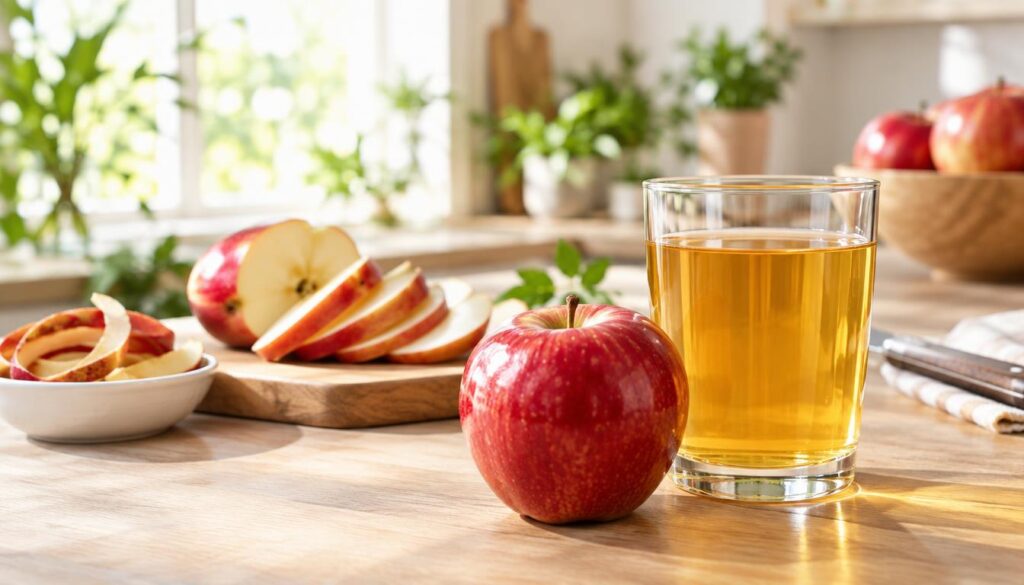
Why whole apples provide more soluble fiber and dietary fiber
Whole apples retain their skin and pulp, which provide dietary fiber, including soluble fiber such as pectin. This fiber may support cholesterol management by reducing absorption and promoting fullness. Whole fruit is generally a better choice than juice when building a high-fiber diet that supports cardiovascular health.
How clear juice loses much of the apple’s fiber
Clear apple juice is filtered, so it contains far less fiber than a whole apple. It may still provide nutrients, but there is not enough evidence to treat juice as a cholesterol-lowering food. Its lower fiber content may also make it less filling.
How concentrated natural sugars and serving size can affect your choice
Juice concentrates the apple’s natural sugar into a drink that is easy to consume quickly. Choosing a whole apple may help support steadier fullness and blood glucose management. Portion size matters, especially if you drink juice several times a day.
When unsweetened applesauce may fit into a heart-healthy diet
Unsweetened applesauce can be a convenient alternative when chewing whole apples is difficult. When available, choose products with pulp and check the label for added sugar. Whole fruit remains the most fiber-rich option, while applesauce can fit into a varied diet that may support a lower-risk heart profile alongside other foods, including citrus fruit.
| Apple Form | Fiber Content | Sugar Impact | Best Use |
| Whole Apple, 1 medium | Highest | Lower per serving | Daily snack |
| Unsweetened Applesauce, 1/2 cup | Variable | Moderate | Soft snack |
| Clear Apple Juice, 1/2 cup | Very low | More concentrated | Occasional drink |
How to Eat Apples for the Most Heart-Healthy Benefit
To support heart health, preparation and portion size matter. Apples can fit into a varied eating pattern that may help lower cholesterol and support lower LDL levels. Small, consistent choices can make it easier to include more whole foods and fruits.
Why eating apples with the skin on can add fiber and polyphenols
When practical, eat apples with the skin and wash them first. The peel contains a meaningful share of the fruit’s fiber and polyphenols, although amounts vary by variety. These nutrients may support cholesterol management, but they are not a standalone treatment.
Peeling removes some fiber and plant compounds. Keeping the skin on may provide more nutrients, but portion size still matters in your overall eating plan.
How to wash and store apples safely
For safe preparation, rinse apples under cool, running water and gently scrub the skin with a clean produce brush. Store them in the refrigerator crisper drawer to maintain quality and reduce waste.
Practical serving ideas for breakfast, snacks, and meals
Add one medium apple to breakfast, a snack, or a salad. These high-fiber foods can complement a balanced cholesterol-conscious diet.
Pairing apples with nuts, oats, or plain yogurt
Combine apples with foods that provide protein, fiber, and unsaturated fats:
- Oats: Add diced apple to oatmeal for additional soluble fiber.
- Nuts: Pair apple slices with a small handful of walnuts or almonds.
- Plain Yogurt: Add apple chunks to unsweetened yogurt for a protein-rich snack.
| Preparation Method | Fiber Content | Polyphenol Level | Heart Health Impact |
| Whole with Skin | Highest | Higher | Supports a varied diet |
| Peeled Slices | Lower | Lower | Still nutrient-rich |
| Clear Apple Juice | Very low | Lower | Less filling |
Apples Work Best Within a Heart-Healthy Diet
Heart health rarely depends on one ingredient. Effective ways to lower LDL begin with your overall eating pattern, not just one food. Apples can provide fiber and plant compounds, but a varied diet is more likely to support long-term health and reduce cardiovascular risk.
Why cholesterol management depends on your overall eating pattern
Your body responds to combinations of foods and nutrients. A high-fiber pattern that includes fruits, vegetables, beans, oats, and other plant foods may support digestion and healthy cholesterol levels. Variety matters because different foods provide fiber, unsaturated fats, vitamins, and minerals.
How replacing saturated fats can matter more than adding one food
Replacing saturated fats may be more useful than simply adding apples to an unchanged diet. Swap butter, fatty cuts of meat, and processed snacks for unsaturated fats from olive oil, avocado, or nuts to help lower cholesterol and support healthy LDL cholesterol. These substitutions may matter more than adding one fruit alone.
How unsaturated fats and fiber-rich foods support better dietary balance
Combining fiber-rich foods with unsaturated fats can support a balanced diet. Soluble fiber may reduce cholesterol absorption, while replacing saturated fat may improve the overall lipid profile. Together, these choices support the heart without promising to prevent every cardiovascular event, including a heart attack or stroke.
Building sustainable cholesterol-management habits instead of chasing quick fixes
Be cautious about products that promise instant results. Apple cider vinegar has not been shown to lower cholesterol on its own. Sustainable habits, regular activity, and medical guidance are more reliable than unproven shortcuts.
| Dietary Focus | Action to Take | Benefit |
| Saturated Fats | Replace with unsaturated fats | May improve LDL cholesterol |
| Processed Snacks | Choose whole fruits and nuts | Adds fiber and plant nutrients |
| Fiber Intake | Increase gradually with water | May support cholesterol excretion |
| Quick Fixes | Avoid relying on supplements | Promotes sustainable health |
Other Foods That Can Help Improve Your Cholesterol Profile
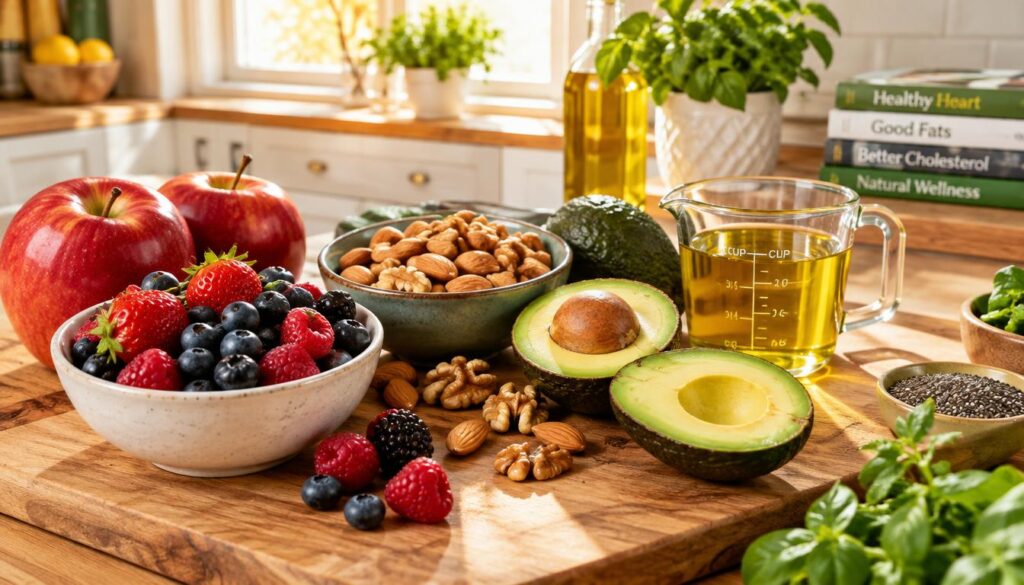
Several food groups can complement apples in a cholesterol-conscious eating pattern. Overall heart health and LDL cholesterol management depend on the combination of foods you eat. Include different sources of fiber, protein, healthy fats, and plant compounds to support your heart.
Fatty fish and omega-3s for triglyceride support
Fatty fish, such as salmon, mackerel, or sardines, provide omega-3 fatty acids that can lower triglycerides. This effect is different from directly lowering LDL. Many dietary guidelines suggest about two servings of fish each week, depending on personal needs and local safety advice.
Oats and barley as concentrated soluble fiber sources
Oats and barley contain beta-glucan, a type of soluble fiber that may bind bile acids in the digestive tract. Regular servings can support a high-fiber pattern and may help maintain healthy cholesterol levels.
Nuts and seeds for unsaturated fats and heart-supportive nutrients
Nuts and seeds provide unsaturated fats, fiber, and minerals. Some products also contain plant sterols, which may modestly reduce cholesterol absorption. Choose unsalted, raw, or dry-roasted options, and keep portions moderate.
How almonds may fit into a cholesterol-conscious eating pattern
Almonds provide monounsaturated fat, fiber, and vitamin E. A small handful can add texture to breakfast, yogurt, salads, or snacks while replacing less nutritious processed foods.
Olive oil as a replacement for saturated fats
Dietary changes for cholesterol often start with the fats you use for cooking. When practical, use olive oil instead of butter or lard. This substitution lowers saturated fat intake and may support a healthier lipid profile.
Avocado for fiber and monounsaturated fat
Avocado supplies fiber and monounsaturated fat. Use it instead of mayonnaise or cream cheese in sandwiches, salads, or a quick breakfast. Portion size still matters because it is energy-dense.
Beans and legumes for plant protein and soluble fiber
Beans, lentils, and chickpeas provide plant protein and soluble fiber. Adding lentils or beans several times a week can make meals more filling while supporting cholesterol management and cardiovascular goals.
How to Build a Cholesterol-Friendly Grocery List
Plan a heart-healthy kitchen around foods you will actually use. A weekly grocery list can make cholesterol-management eating easier and reduce impulse purchases. Include a variety of fiber-rich foods, healthy fats, and affordable protein sources.
Choosing fruits, vegetables, oats, barley, and beans
Choose apples, berries, citrus, leafy greens, and other vegetables for fiber and plant nutrients. Add oats, barley, beans, and lentils to support a high-fiber diet. These foods can complement a balanced breakfast, lunch, or dinner.
Keep beans and legumes available as affordable protein sources. They can replace some processed meat and provide fiber without adding much saturated fat.
Selecting fatty fish, nuts, seeds, and unsaturated oils
To support heart health, choose fatty fish, unsalted nuts, seeds, and olive oil. Omega-3 fats may lower triglycerides, while unsaturated fats can replace saturated fats. These changes may lower your cardiovascular risk profile.
Stock walnuts, almonds, chia seeds, and extra-virgin olive oil. Plant foods containing sterols may also support cholesterol management when included in an appropriate diet.
Comparing foods high in saturated fat with higher-fiber alternatives
Knowing the difference between fat types can help you reduce cholesterol levels. When appropriate, replace fatty meat and full-fat dairy with beans, lentils, fish, or other higher-fiber alternatives. These substitutions may lower your risk of cardiovascular events, but they do not guarantee protection from heart attack or stroke.
- Swap 1: Replace butter with olive oil or mashed avocado for cooking and spreads.
- Swap 2: Choose beans or lentils instead of processed deli meat.
- Swap 3: Choose air-popped popcorn, fruit, or nuts instead of refined snacks.
Planning simple swaps for butter, processed meats, and refined snacks
Small daily changes can produce meaningful results over time. Replacing processed snacks with whole foods may reduce saturated fat, excess sodium, and added sugar. These practical swaps are more sustainable than relying on natural remedies alone.
Consistency matters when you work to improve your lipid profile. Keep heart-supportive staples ready and adjust portions to your needs. Discuss persistent cholesterol concerns or a high cardiovascular risk with a qualified clinician.
Limits, Safety, and When to Discuss LDL With Your Clinician
Dietary changes can support heart health, but they have limits. Apples and other foods that may help lower cholesterol are supportive strategies, not standalone cures for cardiovascular disease. Your plan should reflect your personal health history and overall risk.
Why apples are not a substitute for prescribed cholesterol treatment
Natural foods cannot replace medical care for clinically high LDL cholesterol. Apples may provide fiber and other nutrients, but they do not match the predictable effects of statins or other prescribed treatments. Include fruit as part of a healthy plan, not instead of your clinician’s recommendations.
How to interpret a modest dietary improvement in your lipid panel
Fiber-rich foods lower cholesterol only modestly for many people. A small improvement in your lipid panel is encouraging, but it doesn’t eliminate your risk of heart disease or mean treatment is no longer needed. Consider cholesterol levels alongside blood pressure, diabetes, smoking, family history, and other health markers.
“Dietary changes can support cardiovascular care, but they should be integrated into a personalized medical strategy for people with elevated risk.”
When high LDL or other risk factors require professional guidance
Discuss persistent high cholesterol with a healthcare professional, especially if you have very high LDL, possible familial hypercholesterolemia, diabetes, previous cardiovascular disease, or a strong family history of heart disease. Lifestyle choices can help lower LDL, but your clinician can determine the safest approach to reduce long-term risk.
| Factor | Lifestyle Impact | Medical Necessity |
| Dietary Fiber | May support modest LDL reduction | Discuss targets with a clinician |
| Physical Activity | Supports cardiovascular function | Choose a safe intensity |
| Medication | Can lower cholesterol levels predictably | Take only as prescribed |
Why you should not stop medication without medical advice
Never discontinue prescribed medication without speaking with your clinician. Stopping treatment can allow cholesterol to rise again and may increase cardiovascular risk for some people. Ask about any diet, supplement, or exercise change before altering your treatment plan.
Conclusion
Whole apples with the skin can provide pectin and polyphenols as part of a balanced diet. These apple health benefits may support heart health, but apples do not treat high LDL on their own or replace medical care.
Practical ways to lower LDL include eating varied soluble fiber sources such as oats, beans, and lentils. Replacing saturated fats with suitable unsaturated or plant-based options may also support healthier cholesterol levels.
Use apples to make one sustainable improvement to your eating pattern, then review your next lipid panel with your clinician. Professional guidance is especially important if cholesterol remains high or you have a higher risk heart condition.