Grocery shopping can feel overwhelming today. Complex labels and misleading claims can make it hard to understand what you’re buying.
The NOVA classification system offers a practical way to support your health. Grouping foods by how they are made helps you spot ultra-processed foods with little real nutritional value.
This clean eating guide helps you focus on whole ingredients. It is a great clean eating resource for beginners to simplify daily shopping.
Understanding the NOVA food groups helps you make better choices each day. Clean eating means making steady progress, not reaching instant perfection.
Key Takeaways
- Learn to categorize items by processing level, not just calories.
- Prioritize whole ingredients to improve your daily nutrient intake.
- Identify synthetic additives that hide in common pantry staples.
- Use simple barcode tools to make smarter decisions at the store.
- Build sustainable habits that support your long-term wellness goals.
Why the NOVA classification system matters for cleaner eating
If you have ever wondered why some packaged foods feel different from whole ingredients, you are thinking like a food scientist. Traditional nutrition guidelines often count calories or track macronutrients, but the NOVA classification system focuses on how food is made. This classification system traces food from raw ingredients to the finished product on your plate.
What the NOVA framework classifies
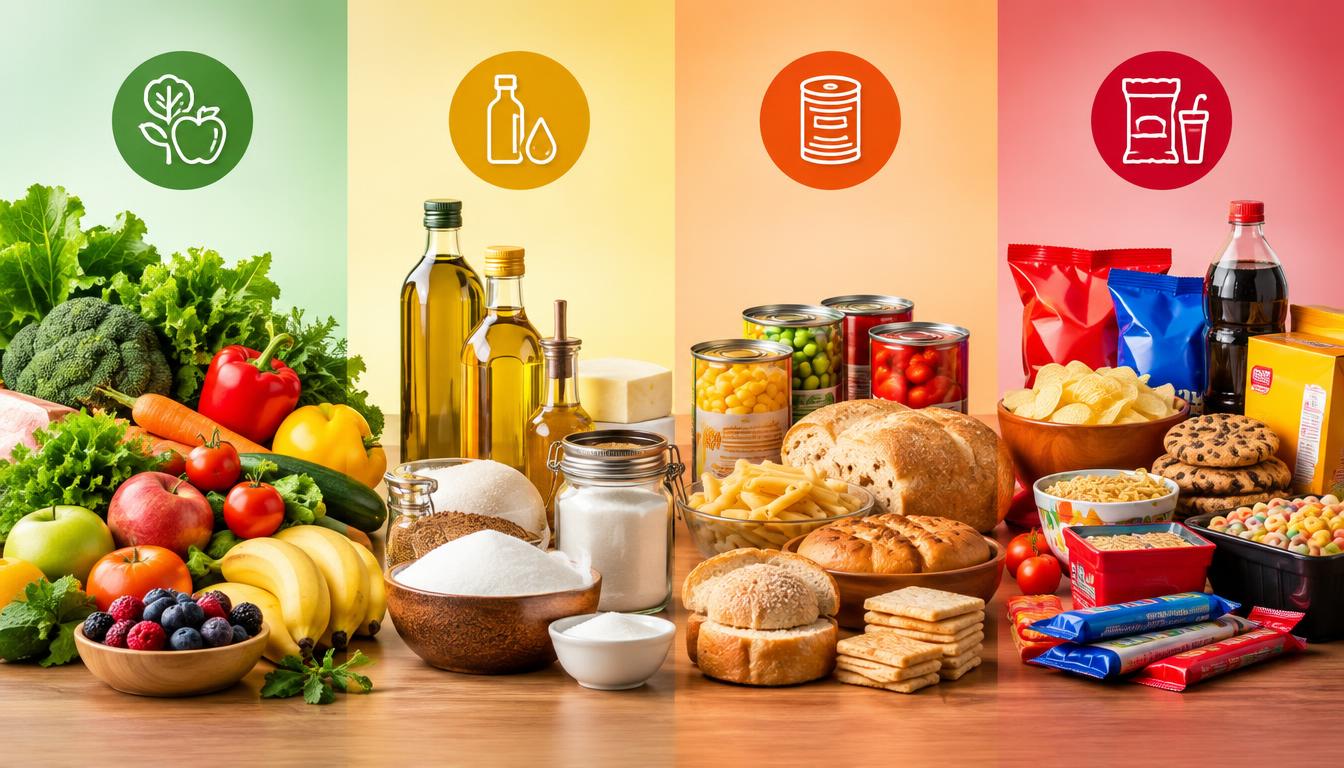
The NOVA framework places foods into four distinct processed-food categories based on the extent and purpose of industrial processing. It looks at physical and chemical changes, not just vitamin content or fat percentage. This categorization distinguishes simple kitchen preparation from complex industrial formulation.
- Group 1: Unprocessed or minimally processed foods.
- Group 2: Processed culinary ingredients.
- Group 3: Processed foods.
- Group 4: Ultra-processed foods.
Why industrial processing matters beyond calories and nutrients
Two products may have identical calorie counts, yet one is a whole vegetable and the other a snack cake. Industrial food processing changes more than nutrient profiles; it affects the palatability, shelf stability, and eating behavior. Highly processed items are often engineered to be hyper-palatable, making it hard to stop once you start eating.
“The way food is processed is a critical factor in public health that goes far beyond the simple numbers found on a standard nutrition label.”
What you should and should not expect from a NOVA category
When you ask, “What is a NOVA score?” remember that NOVA is not a numerical health rating. It cannot replace information on a standard Nutrition Facts label. Use this food group classification to build better habits, not as a rigid health score.
Effective healthy food classification should support healthy eating guidelines and a balanced approach. Use this framework while keeping sodium, added sugar, fiber, and portion sizes in mind. Combine these processed food categorization methods with your nutritional needs to make informed choices that support long-term wellness goals.
How the NOVA classification system was created and why it remains relevant
You may wonder how a simple food classification system became the gold standard for modern public health research. Before it appeared, nutrition science focused almost only on nutrients such as fats, proteins, and vitamins. The NOVA classification system changed this view by grouping foods by the extent and purpose of industrial processing.
Carlos Monteiro and the public health research behind NOVA
The system was developed at the University of São Paulo by a team led by Carlos Monteiro, a nutrition expert. They noticed rising chronic disease rates in Brazil as people shifted from traditional diets to packaged goods. Their work explored how physical and chemical changes during manufacturing affect human health.
How the framework shifted attention toward industrial food processing
This approach shifted attention from isolated nutrients to industrial food processing methods. It shows the difference between simple kitchen preparation and complex factory techniques. It also shows that the way food is produced matters as much as its calorie count.
Why ultra-processed foods remain a current nutrition and public health concern
Today, ultra-processed foods remain central to global health debates. These items often use industrial formulations designed to be hyper-palatable, which can drive overconsumption. Researchers link these foods with higher cardiometabolic risks, but stress that correlation does not always prove direct causation.
| Focus Area | Traditional Approach | NOVA Perspective |
|---|---|---|
| Primary Metric | Calorie counting | Processing level |
| Food Source | Nutrient profile | Manufacturing method |
| Health Goal | Weight management | Dietary quality |
What consumers, researchers, and policymakers are watching
Stakeholders now monitor the long-term effects of these dietary patterns on mental health and mortality. Policymakers use this data to consider clearer labels and stronger public health messages. As you shop, you join a growing movement that values transparency in how your food is created.
NOVA Group 1: Build your diet around unprocessed and minimally processed foods
You can improve your health by building meals around basic, whole ingredients. These foods belong to the first NOVA food group and support a lasting whole-foods diet. Choosing these food groups helps your body get the vitamins and minerals it needs.
Examples of whole foods in Group 1
Fresh and frozen fruits and vegetables
Produce stays close to its natural state. Fresh farmers market produce and frozen grocery store options are both good choices. Freezing produce when it’s ripe helps preserve nutrients and supports a whole-foods lifestyle.
Beans, lentils, whole grains, nuts, seeds, eggs, meat, and seafood
This group also includes nutrient-rich proteins and complex carbohydrates. These staples support a balanced whole food diet and combine easily into filling meals. They provide lasting energy throughout your day.
Processing methods that still fit Group 1
Washing, chopping, freezing, drying, grinding, pasteurizing, and fermenting
Preparation does not always move a food out of Group 1. In fact, minimally processed foods change for safety or convenience without harmful added ingredients. These methods do not change the food’s basic nutritional profile.
How minimally processed foods supply nutrient-dense meal foundations
Building meals around these ingredients can raise your intake of fiber, protein, and key micronutrients. These nutrient-dense foods offer texture and fullness that highly formulated products may lack. These whole food choices also help you control what goes into your body.
| Food Category | Processing Level | Nutritional Impact |
|---|---|---|
| Fresh Spinach | Unprocessed | High fiber and vitamins |
| Frozen Berries | Minimally Processed | Retains antioxidants |
| Dried Lentils | Minimally Processed | Excellent plant protein |
| Comparison | Processed vs Unprocessed foods | Unprocessed vs Processed foods |
NOVA Group 2: Use processed culinary ingredients strategically
Processed culinary ingredients form the backbone of many delicious, nutritious home-cooked meals. They transform raw produce and proteins into flavorful dishes and aren’t inherently harmful.
What counts as a processed culinary ingredient
Oils, butter, lard, sugar, salt, vinegar, and starches
These substances come from nature or simple processes, such as pressing, refining, or milling. You likely keep them in your pantry for daily cooking.
- Vegetable oils, olive oil, and butter
- Table salt and sea salt
- White or brown sugar and honey
- Vinegar and various starches like cornstarch
These items are technically processed foods, but they differ from industrial formulations in later NOVA categories. They season, flavor, and cook the whole foods that support your diet.
Why Group 2 foods are not designed to be eaten like snacks
Use these ingredients in small amounts. You would not eat a bowl of butter or a spoonful of salt as a snack.
“Cooking is at once child’s play and adult joy. And cooking done with care is an act of love.”
Used as intended, these items support healthy eating habits by making nutrient-dense meals more appealing. Using them for flavor, not as a main food source, helps keep your intake balanced.
How to use Group 2 ingredients to prepare healthier Group 1 meals
Building sauces, soups, dressings, and home-cooked grain dishes
Use these staples to turn simple ingredients into satisfying sauces, soups, dressings, and grain dishes. For example, a splash of vinegar and oil can turn fresh greens into a lively salad dressing.
Salt and starches can thicken soups or create grain dishes with the right texture. Preparing these foods at home lets you control ingredient quality and quantity.
Where culinary ingredients can complicate clean eating goals
Though they’re needed for cooking, these items can challenge your clean-eating goals. Too much sugar, sodium, or calorie-dense oil can make a balanced meal less nutritious.
Focus on healthy eating habits. These habits let you enjoy home cooking while keeping added fats and sugars within reasonable limits for your lifestyle.
NOVA Group 3: Understand traditionally processed foods without eliminating them automatically
Many people mistakenly think all processed foods are harmful, but Group 3 offers a practical middle ground. These foods differ from highly engineered products and often form the backbone of a nutritious, time-efficient diet.
How Group 3 foods are made by combining Groups 1 and 2
Group 3 items combine raw, unprocessed Group 1 ingredients with culinary staples like salt, oil, sugar, or vinegar. This process preserves food, improves texture, or enhances flavor. Unlike industrial formulations, these methods have served kitchens for centuries, making food safer and more shelf-stable.
Canned vegetables, salted nuts, cheese, yogurt, bread, and cured foods
You likely have several of these items in your pantry or refrigerator. These processed foods are usually recognizable and have a short, simple ingredient list:
- Canned vegetables and legumes (often with added salt or water)
- Traditional cheeses and plain yogurts
- Freshly baked bread made from flour, water, salt, and yeast
- Salted or roasted nuts and seeds
- Cured meats or smoked fish
How to distinguish basic processing from industrial food formulations
The key to categorizing processed foods is the ingredients’ purpose and complexity. Basic processing extends a whole food’s life without changing its nutritional identity. Industrial formulations often use chemical additives, colorings, and stabilizers that home kitchens don’t use.
“A healthy diet is not about perfection or total elimination, but about choosing high-quality ingredients that support your long-term well-being.”
When Group 3 foods can support a practical whole foods diet
Adding these items to your routine can make it easier to choose unprocessed foods over processed ones. For example, canned beans or store-bought bread can help you assemble a healthy meal within minutes after a long workday. When comparing unprocessed vs. processed foods, Group 3 products offer convenience that helps you meet health goals consistently.
How portion size, added sugar, sodium, and ingredient quality still matter
Although these foods are not ultra-processed, you should still watch your intake. The Nova food groups system reminds us that quality matters in every category. Check labels for excessive sodium in canned goods or added sugars in flavored yogurts.
Focusing on processed food categories helps you identify items that fit your lifestyle. By choosing simple ingredients, you can enjoy the benefits of processed foods without lowering your nutritional standards. Any processed food classification should guide better habits, not create rigid, impossible rules for daily food groups consumption.
NOVA Group 4: Identify ultra-processed foods and their common warning signs
To master clean eating, learn how to spot ultra-processed foods hidden in plain sight. These products are among the most highly changed items on the market, built for convenience and shelf stability. Learning to spot processed foods and understanding the NOVA food groups help you shop wisely.
What makes a food an ultra-processed product
Group 4 foods are industrial food formulations made through several complex manufacturing processes. These processes break whole foods into basic parts, then reassemble them with additives into tasty, ready-to-eat products.
These products are engineered for steady texture, strong flavor, and a long shelf life. Unlike simple cooking, this junk-food category uses methods rarely found in home kitchens. The goal is a convenient, inexpensive product that is hard to stop eating.

Common examples of Group 4 foods in American grocery stores
You can find these items in almost every aisle of a typical American supermarket. Bright packages and bold claims often distract shoppers from their highly processed nature.
Sodas, packaged sweets, chips, frozen entrées, and sweetened breakfast products
Many popular snacks and meal replacements fit this category. Sugary sodas, mass-produced cookies, and salty potato chips are classic examples of group 4 foods. Frozen entrées and sweetened breakfast cereals may undergo extensive industrial processing, helping taste stay good for months in freezers or pantries.
Reconstituted meat products, instant meals, and ready-to-eat snack foods
Processed meats, such as chicken nuggets and hot dogs, often use reconstituted protein sources. Instant noodle cups and ready-to-eat snack packs are prime examples of industrial food formulations. These items save time but often lack the nutritional integrity of whole, unprocessed ingredients.
How artificial flavors, emulsifiers, and shelf-life preservatives signal industrial formulations
Check the ingredient label to identify these products. You may see chemical cosmetic additives, including artificial colors, flavors, and non-sugar sweeteners. These ingredients mimic the taste, smell, or appearance of real food.
Manufacturers also use emulsifiers to improve texture and shelf life, and preservatives to prevent spoilage. If an ingredient list contains substances you would never use in your kitchen, it may be a Group 4 food. These additives mark products made for mass distribution rather than health.
Why a long ingredient list can help you spot, but not definitively classify, a UPF
A long ingredient list is a strong clue, but it cannot classify a UPF by itself. Some homemade recipes have many ingredients and still use whole, unprocessed components. Therefore, judge the ingredients’ purpose, not just their number.
Classification depends on the manufacturing process and the product’s final purpose. If it is shelf-stable, ready-to-eat convenience food, it likely belongs among ultra-processed foods. Use judgment to distinguish a complex home-cooked meal from a factory-engineered product.
How to read food labels and spot industrial additives
A cleaner diet starts when you turn a package over and read its fine print. The front may promise health benefits, but the back reveals what’s inside. Mastering reading food labels is your best tool for navigating today’s grocery store.
Start with the ingredient list instead of relying only on front-of-package claims
Marketing teams use bold, colorful claims to catch your eye. Words like “heart-healthy” or “farm-fresh” target emotions instead of offering clear nutrition facts. Choose the ingredient list over these front-of-package claims.
Checking the ingredients helps you control what you eat. This nutritional labeling system gives you facts for better choices. It is the clearest way to learn what you consume.
Ingredients that often indicate ultra-processing
Some ingredients signal industrial processing when you scan a label. Knowing them helps you spot processed food in daily life.
High-fructose corn syrup, modified starches, protein isolates, and sweetener blends
These ingredients often mark industrial food production. Avoiding high-fructose corn syrup is a useful first step in limiting highly refined sugars. Modified starches and protein isolates can change a product’s texture or nutrition in a laboratory.
Emulsifiers, artificial colors, flavor enhancers, and chemical cosmetic additives
These substances can improve a product’s taste, smell, color, or texture. Chemical cosmetic additives can make food look better or taste stronger than it naturally would. They usually add little nutritional value.
Preservatives and stabilizers are designed to extend shelf life or alter texture
Manufacturers use shelf-life preservatives to keep products stable for months. Some support safety, while others mainly offer convenience. Stabilizers keep a set texture, which may signal a highly engineered food.
Why “natural,” “multigrain,” “light,” and “made with whole grains” can be misleading
Labels like “natural” are often unregulated and may appear on heavily processed products. “Multigrain” bread may still contain refined flour and added sugars. “Light” snacks often replace fat with artificial thickeners or sweeteners.
Do not let these buzzwords distract you from the ingredient list. Check whether “whole grains” are the main ingredient or only a small part of refined food. A transparent nutrition labeling system is your best defense against these marketing tactics.
How to use a food additive filter without treating every additive as equally harmful
You can create a personal food additive filter to shop more efficiently. This does not mean avoiding every additive. Some preservatives support food safety, and certain thickeners are harmless additions to your pantry.
Use your filter to remove synthetic, highly processed ingredients first. Keep your diet simple and centered on whole foods. Being selective can improve your health without making shopping stressful or complicated.
How to use the four Nova food groups while shopping
The Nova classification system makes grocery shopping easier when you apply the Nova food groups. Plan your trip around these categories to support your health goals. This approach replaces impulse choices with more thoughtful eating.
Plan most of your cart around Group 1 foods
Start your shopping trip in the produce section, where you will find most unprocessed or minimally processed foods. Fill your cart with fresh vegetables, fruits, legumes, nuts, and seeds. These staples provide essential nutrients your body needs to thrive.
Choosing whole foods leaves less room for heavily processed items. Build meals around these foods to avoid ultra-processed food each day.
Choose Group 2 ingredients for cooking rather than packaged convenience meals
Group 2 includes cooking ingredients like olive oil, butter, salt, and honey. Use them to season and prepare fresh ingredients at home. Instead of buying sauces or seasoned mixes, use these basics to create flavor.
This strategy keeps useful staples in your kitchen. It limits hidden additives found in packaged convenience products. You control the quality and amount of ingredients in your meals.
Compare Group 3 products by sugar, sodium, fiber, and ingredient simplicity
For canned beans, cheese, or freshly baked bread, check the nutrition labeling system. These traditionally processed foods can still support a healthy diet. Check for excessive added sugar or sodium.
Choose products with short, familiar ingredient lists. Simple lists often indicate less processing and better-preserved nutritional value. Prioritize foods with more fiber and few additives.
Reduce Group 4 foods by identifying your highest-frequency purchases first
To manage your intake of Group 4 foods, begin by checking your pantry. Find the ultra-processed items you buy most often. These usually include snacks, sugary cereals, or frozen meals you eat regularly.
After identifying these purchases, find healthier alternatives. Replacing one or two items can improve your overall diet quality. Make gradual changes instead of eliminating every processed item at once.
Use the Open Food Facts app to scan barcodes and review product information
The Open Food Facts app helps you quickly understand complex labels. Scan a barcode to view a product’s classification and ingredients. This nutritional labeling system offers details that front-of-package marketing often misses.
What barcode databases can reveal about ingredients and processing
These databases use manufacturer data to show what each package contains. They can identify emulsifiers, artificial colors, or preservatives linked to industrial processing. This information helps you look beyond branding and understand what you’re eating.
Why you should verify app results against the package label
Digital tools help, but always compare their information with the physical package. Manufacturers may change recipes, serving sizes, or ingredient lists without notice. Checking the label gives you the most accurate, up-to-date information before you buy.
| Nova Group | Shopping Strategy | Primary Goal |
|---|---|---|
| Group 1 | Fill 70% of your cart | Nutrient density |
| Group 2 | Select basic staples | Home cooking |
| Group 3 | Check labels for sodium | Ingredient simplicity |
| Group 4 | Limit frequent buys | Reduce additives |
Make healthy food swaps that reduce Group 4 foods without making eating impractical
Reducing your intake of ultra-processed foods does not require a complete lifestyle overhaul. Focusing on healthy food swaps can improve nutrition while keeping your routine convenient and affordable.
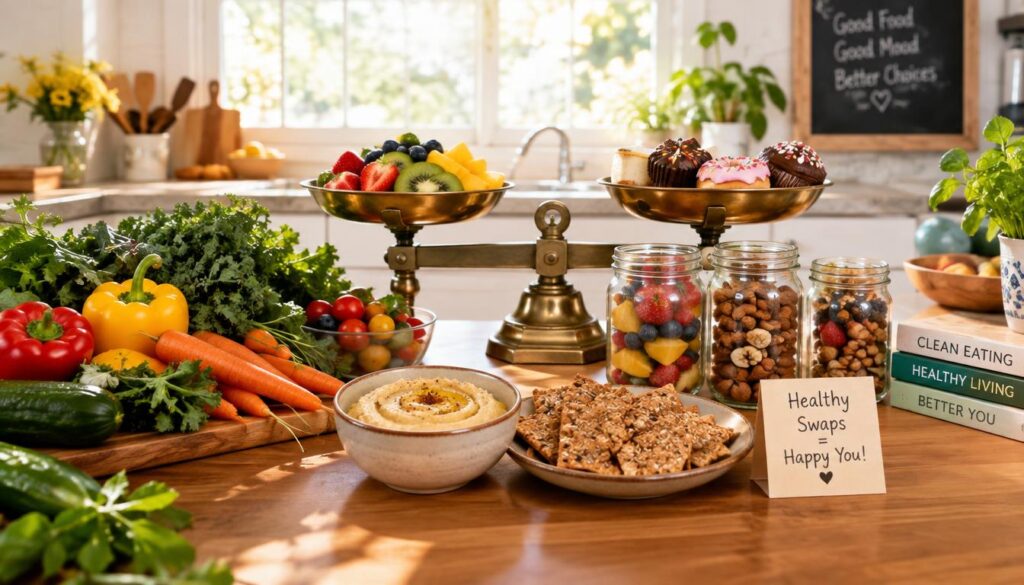
Replace sugary drinks with water, sparkling water, or unsweetened beverages
Many common drinks contain hidden sugars that may harm health. Practicing high-fructose corn syrup avoidance helps cut unnecessary additives. Swap your afternoon soda for sparkling water with fresh lime or unsweetened iced tea.
Swap packaged snack foods for fruit, nuts, yogurt, or roasted legumes
When hunger strikes, choose whole foods instead of shelf-stable snacks. Fresh fruit, raw nuts, and plain Greek yogurt offer lasting fullness and fewer industrial ingredients. Roasted chickpeas or edamame offer a crunchy alternative to processed chips.
Trade instant meals for simple combinations of frozen vegetables, grains, and protein
Convenience often leads people to choose frozen dinners. Find processed food alternatives by stocking plain frozen vegetables, pre-cooked brown rice, and lean proteins like chicken or shrimp. These ingredients make a nutritious meal in minutes, without additives found in boxed kits.
Choose plain oatmeal, whole-grain toast, or eggs instead of highly formulated breakfast products
Many breakfast cereals and toaster pastries are heavily processed and low in fiber. Healthy eating means choosing simple, single-ingredient staples like rolled oats or eggs. These foods often cost less and keep you full longer than sugary, boxed alternatives.
Use gradual changes to make clean eating sustainable for your schedule and budget
Building healthy eating habits takes time. Replace one or two pantry items each week to avoid feeling overwhelmed. Consistent whole food choices can create a balanced diet that fits your budget and busy schedule.
Common mistakes when applying the NOVA food classification system
The NOVA classification system is a powerful tool for identifying ultra-processed foods, but people often misuse it. Some treat its categories as strict moral rules instead of health guidance. Knowing its limits helps build healthy eating habits without stress.
Assuming every processed food is unhealthy
A common mistake is calling all processed foods unhealthy. Processing includes simple methods like freezing, canning, and pasteurizing. These methods can preserve nutrients and make healthy ingredients available year-round.
Confusing the NOVA category with a complete nutrition score
You might ask, what exactly is the NOVA score? NOVA measures industrial processing, not a product’s exact nutrient content. A minimally processed food may be high in calories, while an ultra-processed food may contain essential vitamins.
Ignoring portion size, sodium, added sugar, and overall dietary pattern
Focusing only on a food category can distract you from your overall diet. Even whole foods can cause health issues when eaten in excessive amounts. Focus on your daily sodium, sugar, and fiber intake rather than one item.
Believing that an additive automatically makes a food unsafe
Not every additive means a product is dangerous. Some additives improve food safety by preventing spoilage or preserving texture in staples classified as healthy. Context matters, and one additive does not define your meal’s quality.
Overlooking cultural foods, frozen ingredients, and convenient minimally processed options
Avoiding all processed items can make you overlook cultural foods and healthy, convenient staples. Frozen vegetables, canned beans, and pre-cooked grains help busy people eat well. These foods support a balanced lifestyle and save time in the kitchen.
Using rigid rules instead of focusing on consistent improvement
The most sustainable approach focuses on consistent improvement, not perfection. Trying to eliminate every processed item overnight can make your goals hard to maintain. Small, gradual changes work better for long-term success.
| Common Myth | The Reality | Actionable Tip |
|---|---|---|
| All processing is bad | Processing can preserve nutrients | Prioritize ingredient quality |
| NOVA is a nutrition score | NOVA measures processing level | Check labels for sugar/sodium |
| Additives are always toxic | Many ensure food safety | Focus on whole food ratios |
| Perfection is required | Consistency matters more | Aim for 80/20 balance |
Turn NOVA classification into a realistic clean eating routine
Building a healthy lifestyle starts with simple choices based on food processing levels. The NOVA framework supports healthy eating habits and progress, not rigid perfection, for beginners.
Create a simple Group 1 grocery template
Your grocery list builds the foundation of a whole-foods diet. Choosing unprocessed items helps crowd out less nutritious options.
Produce, protein foods, whole grains, beans, and healthy fats
Shop the store’s perimeter, where nutrient-dense foods are common. Stock these staples to build a whole food diet:
- Fresh or frozen vegetables and fruits.
- Lean proteins like chicken, fish, eggs, or tofu.
- Whole grains such as brown rice, quinoa, and oats.
- Legumes including lentils, chickpeas, and black beans.
- Healthy fats like olive oil, raw nuts, and seeds.
Set a personal limit for ultra-processed foods rather than chasing perfection
You do not need to remove every packaged item to follow healthy eating guidelines. Instead, avoid ultra-processed foods by setting a realistic weekly limit. This flexible approach prevents burnout and supports lasting nutrition.
Track meals and packaged-food choices with diet tracking apps
Using diet tracking apps can reveal your current eating patterns. These tools can help you find hidden industrial additives in your daily routine. Clear information makes it easier to adjust your choices and follow nutrition guidelines.
Prepare versatile meals that make whole food choices easier
Batch cooking keeps nutrient-dense foods ready when you are busy. Prepare large portions of grains and proteins to mix throughout the week. This plan reduces the urge to choose convenience foods when tired or rushed.
Review your progress by looking at habits, energy, satisfaction, and diet quality
Review how your new routine affects your overall well-being. Feeling energized and satisfied suggests your clean eating journey is working. Use the table to assess weekly progress and refine your strategy.
| Focus Area | Goal | Action Step |
|---|---|---|
| Group 1 Intake | Increase daily volume | Add one extra serving of vegetables |
| Group 4 Reduction | Limit frequency | Swap one snack for whole fruit |
| Energy Levels | Improve consistency | Monitor afternoon fatigue |
| Meal Planning | Reduce reliance on UPFs | Cook two extra meals at home |
Remember that clean eating means improving your choices over time. When possible, avoid ultra-processed foods and support your health one meal at a time.
Conclusion
The NOVA framework offers a practical guide for navigating today’s modern food landscape. Choosing unprocessed and minimally processed foods builds a strong foundation for a healthy diet. It also helps you distinguish basic culinary ingredients from complex industrial formulations.
Reading labels and spotting hidden additives gives you more control over your wellness. Tools like Open Food Facts help you make smarter grocery decisions. Small, steady shopping changes support sustainable clean eating without demanding perfection.
Cutting back on Group 4 products makes room for more nutrient-dense whole foods. You can enjoy convenient, simple processed items while staying focused on quality. This balance supports healthy eating that fits your lifestyle and long-term goals.
Better nutrition begins with awareness and steady progress. Each informed choice strengthens your ability to nourish your body well. Start today by checking your pantry and choosing ingredients that support your vitality.