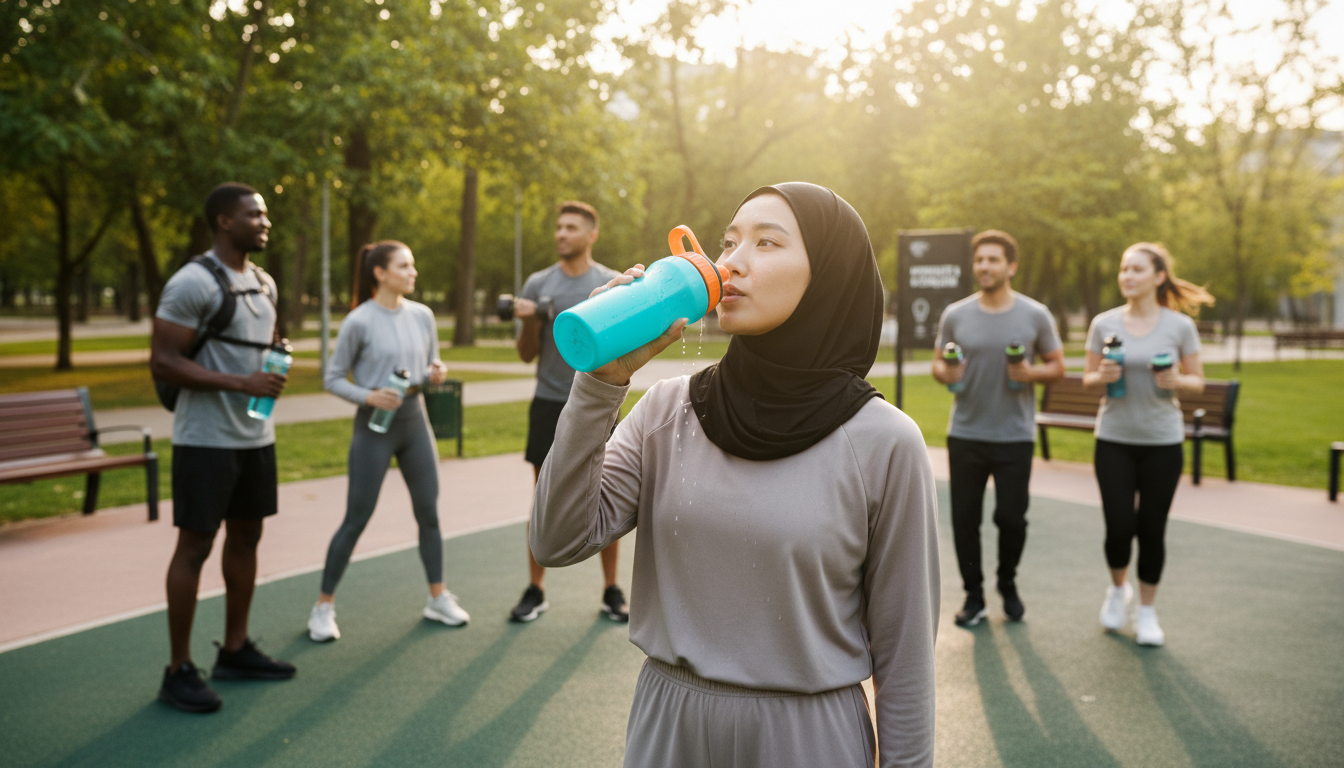
Hydrating before, during, and after exercise helps preserve endurance, reduce cramping, and shorten recovery time. When you prioritize proper hydration, your muscles and brain can perform closer to their potential, so every workout counts.
Many athletes don’t notice the impact of fluid imbalance until performance drops. Even a 1–2% loss of body weight as sweat can cause measurable declines in strength, endurance, and mental clarity — so small fluid losses matter. Learning practical exercise hydration habits helps you sustain energy and focus through training and competition.
This guide shows how to avoid dehydration during exercise and stay strong. We’ll cover concise hydration guidelines to prevent cramping and fatigue, and give practical steps so you can master hydration for exercise and reach your fitness goals sooner.
Key Takeaways
- Hydration preserves performance: Drinking enough water supports endurance and speeds recovery.
- Small losses matter: Even minor fluid loss can lower strength and mental sharpness.
- Electrolytes prevent cramps: Replace the salts lost through sweating to reduce muscle cramping.
- Thermoregulation: Consistent fluid intake helps control core temperature during exercise.
- Personalize your plan: Athletes need tailored routines based on activity, environment, and goals.
Quick example: if an athlete loses 2% of body weight as sweat (about 3–4 lb for a 160-lb person), studies show measurable drops in endurance and power — use the monitoring and replacement steps later in this article to correct that. Scroll down to the quick hydration checklist to run a self-check and download a simple hydration log to track your daily water and electrolyte intake.
The Physiological Importance of Proper Hydration for Exercise
Your body depends on the right balance of water to perform well during workouts. Understanding how fluids support temperature control, circulation, and cellular function helps athletes build smarter routines. The importance of hydration for exercise is both practical and measurable: even small fluid deficits can reduce output and raise perceived effort.
How Hydration Regulates Body Temperature
Active muscles generate heat; sweating is the body’s primary cooling mechanism. Optimal hydration supports sweat production and evaporation, helping maintain core temperature. When fluid is insufficient, thermoregulation becomes less efficient, and the risk of heat-related problems (heat exhaustion, heatstroke) rises—so staying hydrated preserves both safety and performance.
Data point: research shows that losing roughly 1–2% of body mass through sweating (a modest amount for many athletes) is associated with measurable increases in heart rate and body temperature, and reductions in endurance (see the monitoring section for how to measure this).
Maintaining Blood Volume for Cardiovascular Efficiency
Blood plasma is largely water, and plasma volume affects how well oxygen and nutrients reach working muscles. When you lose fluid through sweat, plasma volume falls, and the heart must pump faster to maintain cardiac output. This increases cardiovascular strain and can reduce work capacity and endurance.
Practical example: a moderately dehydrated runner may show an elevated resting and exercise heart rate compared with a well-hydrated state, which shortens the time they can sustain high-intensity efforts. Prioritizing pre- and in-workout hydration helps keep blood volume more stable so the heart and muscles operate efficiently.
The Link Between Fluid Balance and Athletic Performance
Fluid balance influences strength, coordination, and mental focus. Mild dehydration impairs concentration and reaction time, increases the risk of muscle cramps, and can alter movement efficiency—factors that directly affect competition and training outcomes.
The table below summarizes common physiological changes seen with different hydration states during exercise.
| Physiological Factor: Dehydrated State: Hydrated State | ||
| Heart Rate | Increased Strain | Stable and Efficient |
| Muscle Function | High Cramp Risk | Optimal Contraction |
| Body Temperature | Rapidly Rising | Regulated Cooling |
| Cognitive Focus | Dizziness/Fatigue | Clear and Alert |
In short, staying properly hydrated supports endurance and concentration, allowing athletes to train harder, recover faster, and reach their performance goals. Want to apply this? Learn how to measure your sweat rate and translate it into practical fluid targets in the monitoring and practical strategy sections below.
Recognizing the Signs and Symptoms of Dehydration
Knowing the signs of dehydration is essential for athletes and active people. During exercise, you can lose water and sodium quickly; recognizing early symptoms lets you correct fluid losses before performance or safety is affected.
— a short overview demonstrating self-checks you can do before, during, and after training.
Identifying Early Warning Signs of Fluid Loss
Early fluid loss is often subtle. Use this quick hydration check: mouth, urine, sweat, and how you feel. Look for these early signals:
- Dry or sticky mouth.
- Persistent thirst after a small drink.
- Dark-colored urine (see example below).
- Reduced sweat rate despite activity or heavy clothing.
Practical urine-color guide: pale straw → well hydrated; light yellow → acceptable; dark yellow to amber → drink more; very dark amber → possible dehydration and should be addressed promptly.
How Dehydration Triggers Muscle Cramping and Fatigue
Even modest fluid loss and salt depletion can disrupt electrolyte balance and muscle function, increasing the risk of cramps. Dehydration also raises cardiovascular strain — the heart works harder to maintain blood flow — which accelerates fatigue and shortens time at peak effort.
Tip for athletes: if cramps or an unusual drop in power occur during training, check hydration and consider a sodium-containing beverage or snack if the session is long or you sweat heavily.
The Dangers of Dizziness and Cognitive Impairment During Workouts
Dehydration affects more than muscles — it impairs mental focus, reaction time, and balance. Reduced circulating volume can reduce cerebral perfusion (blood flow to the brain) in severe cases, leading to dizziness, confusion, or fainting. These signs warrant immediate rest and rehydration.
| Symptom Level: Physical Indicator: Recommended Action | ||
| Mild | Dry mouth, mild thirst | Drink 6–8 oz (water) and monitor urine color |
| Moderate | Dizziness, notable fatigue, decreased performance | Stop activity, move to a shade/cool area, drink fluids with electrolytes, rest |
| Severe | Confusion, fainting, very dark urine | Seek immediate medical assistance (EMS) — this is a medical emergency |
By checking these signs regularly, you can prevent worsening dehydration and reduce exercise-related fatigue. Download the two-minute dehydration checklist in the resources section to make this a habit before every session.
Establishing Your Pre-Workout Hydration Strategy
Getting hydration right before you exercise sets the tone for the entire session. Don’t wait until you’re thirsty — plan fluid intake so your body starts in a balanced state. Using clear, time-based hydration steps helps maintain energy, focus, and performance throughout exercise.
Drinking Water Two to Three Hours Before Activity
Begin hydrating well ahead of time. Aim to drink about 17–20 oz of water roughly 2–3 hours before your workout so your body has time to absorb fluids and clear excess. This pre-load reduces the chance of starting exercise underfilled and supports stable blood volume.
The Final Hydration Window Before You Start
Top off your fluids 20–30 minutes before you begin. A small, controlled amount — about 8 oz of water — helps maintain circulation and keeps you comfortable during warm-ups. For athletes doing shorter, lower-intensity workouts, this is usually sufficient; endurance athletes should pair this with a light snack containing some sodium and carbs when appropriate.
Common Mistakes to Avoid Before Your Training Session
Avoid behaviors that undermine hydration: excessive alcohol, large amounts of caffeine, or relying on one large drink immediately before starting. Alcohol is a diuretic and can worsen fluid loss; high caffeine doses (varies by individual, but often >200–300 mg) may increase urine output for some people. Also, drinking a very large volume right before exercise can cause bloating and discomfort.
Practice steady hydration across the day instead: split your fluid targets into manageable amounts and test what works during training, not on race day.
Pre-Workout At-a-Glance Checklist
- 2–3 hours before: 17–20 oz water
- 20–30 minutes before: 8 oz water (add a small snack with sodium for long sessions)
- Avoid: excess alcohol and high caffeine immediately pre-exercise
- Customize: heavier sweaters and endurance athletes may need slightly higher pre-loads
Try this pre-workout routine today and track how you feel — then refine quantities and timing based on your exercise type and sweat patterns. Learn how to measure sweat rate in the monitoring section to make these recommendations specific to you.
Optimizing Fluid Intake During Your Workout
To perform at your best, you must replace fluids during workouts. Sweat removes water and electrolytes; following evidence-based hydration practices during exercise helps you sustain power, reduce fatigue, and protect your body from heat stress.
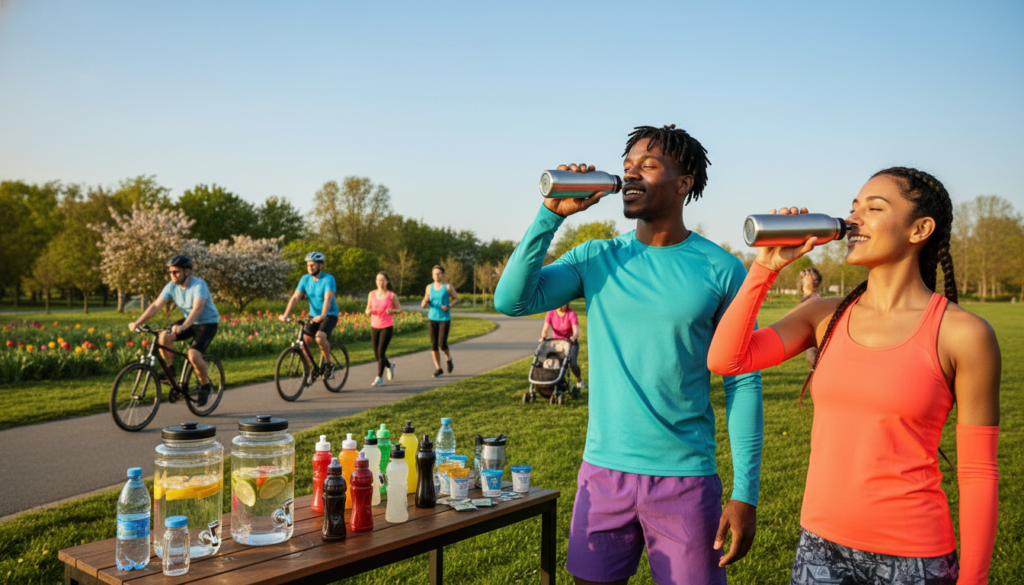
Calculating Your Fluid Needs Every Ten to Twenty Minutes
A practical rule many experts use is to sip regularly: about 7–10 oz of water every 10–20 minutes during moderate exercise. This steady approach prevents large deficits and keeps fluids moving through your system for absorption. Adjust volumes based on your sweat rate and workout intensity (see the monitoring section for how to measure your sweat rate).
Quick formula: estimate your sweat rate (lbs lost per hour) and divide replacement into equal sips across your session — this produces personalized targets rather than one-size-fits-all numbers.
“Proper fluid management is the cornerstone of athletic endurance. If you wait until you are thirsty, you are already behind on your hydration needs.” — practical coaching guideline
Strategies for Consistent Hydration During High-Intensity Sessions
High-intensity activity raises heart rate and core temperature, increasing sweat losses. Keep a bottle within easy reach, set a timer, or use natural breaks (between sets, at turns, at aid stations) to remind yourself to sip. Frequent small amounts are easier on the stomach and improve absorption versus large gulps.
For high-intensity intervals, practice your sip schedule in training so you know what your stomach tolerates and how it affects perceived exertion and performance.
Adjusting Intake Based on Workout Duration and Intensity
Your fluid needs depend on how long and hard you train. A short walk in cool weather requires far less replacement than a long run in heat. Use the table below as a starting framework, then personalize it using your sweat-rate data.
| Workout Intensity, Duration, Recommended Fluid Intake | ||
| Low Intensity | Under 45 Minutes | 4–6 oz every 20 minutes (mostly water) |
| Moderate Intensity | 45–90 Minutes | 7–10 oz every 15 minutes (water; consider electrolytes if you sweat heavily) |
| High Intensity | Over 90 Minutes | 10+ oz every 10 minutes (use sports drinks with electrolytes & carbs) |
Small, steady drinks are preferred over infrequent large volumes. Keep monitoring urine color and perceived exertion during sessions to fine-tune amounts.
When to Choose Electrolyte-Enhanced Sports Drinks
Plain water is the default for most sessions, but for prolonged or intense exercise, you may need additional electrolytes and carbohydrates. The decision depends on duration, sweat rate, and environmental stress.
Understanding the Role of Electrolytes in Muscle Function
Electrolytes — especially sodium, potassium, and magnesium — are crucial for nerve signaling and muscle contraction. Sweating removes these minerals and, if not replaced, can increase the risk of cramping and impair performance. Sodium is the primary electrolyte lost in sweat and helps with fluid retention and absorption.
- Sodium: Maintains fluid balance and aids nerve transmission.
- Potassium: Supports muscle contraction and heart rhythm.
- Magnesium: Helps energy pathways and muscle relaxation.
Water Versus Sports Drinks for Workouts Under Ninety Minutes
For most workouts lasting 60–90 minutes or less, plain water is sufficient to maintain hydration and performance if you start well-hydrated. In hot or humid conditions or for athletes with very high sweat rates, a low-dose electrolyte or sports drink during the session can help maintain sodium balance and reduce cramp risk.
Selecting the Right Electrolyte Supplement for Endurance Training
For sessions over 90 minutes, choose a sports drink or electrolyte supplement that supplies sodium and carbohydrates to support both fluid retention and energy needs. Look for products providing moderate sodium (examples vary; many endurance formulas provide 300–700 mg sodium per liter) and 4–8% carbohydrate concentration to limit stomach upset. Test any product in training to ensure tolerance.
“Proper fluid management is not just about volume; it is about the quality of the fuel you provide to your working muscles during prolonged exertion.” — coaching tip
Practice these hydration strategies during training: try the suggested sip schedule, record urine color and perceived exertion, and experiment with a sports drink option if sessions exceed 60–90 minutes or if you notice heavy sodium losses. Log results after each session to refine your personalized hydration plan.
Post-Workout Recovery and Fluid Replenishment
Your recovery begins the moment you stop exercising. While training intensity matters, timely hydration and proper fluid replacement are essential for muscle repair, waste clearance, and restoring performance capacity.
Step 1 — Calculate Fluid Loss from Body Weight Changes
Weigh yourself naked or in minimal clothing immediately before and after your session to estimate sweat losses. Subtract post-workout weight from pre-workout weight to get pounds lost. A practical guideline is to drink roughly 16–24 oz of water for every pound of body weight lost (about 500–750 mL per 0.45 kg). That range accounts for ongoing urine losses and incomplete absorption; adjust within the range based on how you feel and your sweat rate data.
Worked example: a 160-lb runner who loses 3 lb should aim to drink about 48–72 oz (1.4–2.1 liters) over the next 1–2 hours to restore fluid balance.
Step 2 — Prioritize Rehydration for Muscle Recovery
Rehydration supports nutrient delivery and the removal of metabolic waste, both critical for recovery. Combine water with a post-workout meal containing carbohydrate and protein to support glycogen replacement and muscle repair. Adding modest sodium (via a sports drink, salty snack, or a pinch of salt in water) helps retain the fluid you drink and speeds restoration of plasma volume.
Step 3 — Best Practices for Rapid Fluid Restoration
Try to replace the bulk of your fluid deficit within two hours after exercise. Sip steadily rather than chugging large volumes — spreading intake improves absorption and reduces stomach upset. If you have a very large deficit or heavy ongoing sweat losses (multiple sessions per day), use an electrolyte beverage to support faster restoration.
- Target window: replace most losses within ~2 hours post-exercise.
- Method: small, regular sips + a sodium-containing snack or sports drink when appropriate.
- For heavy losses or multi-session days: plan phased replacement and include electrolytes.
Monitoring Your Hydration Status Effectively
Consistent monitoring prevents both under- and overhydration. Use simple, repeatable checks to fine-tune your personal plan.
Use Urine Color as a Practical Gauge
Urine color is an easy daily check: aim for pale straw to light yellow. Dark yellow or amber indicates you need more water. Keep in mind that some supplements, foods, and vitamins can change urine color independently of hydration.
Track Body Weight Fluctuations to Prevent Dehydration
Regular pre- and post-workout weigh-ins let you quantify sweat losses and plan accurate fluid replacement. Formula: fluid to replace (oz) = pounds lost × 16–24. Convert to metric when needed (approximately 500–750 mL per 0.45 kg lost).
Avoid the Risks of Overhydration and Hyponatremia
Replacing fluids is important, but drinking excessive plain water without electrolytes can cause hyponatremia (low blood sodium), particularly in endurance athletes who consume large volumes during prolonged exercise. Watch for bloating, nausea, headache, or confusion after heavy drinking — these are warning signs. Balance water with electrolyte-containing beverages when replacing large volumes, and follow your sweat-rate data rather than a fixed high-volume rule.
Make these monitoring habits routine: weigh, calculate, replace, and re-check urine color and symptoms. Over time you’ll build a personalized hydration map that keeps your body in balance and speeds recovery.
Adapting Your Hydration Plan for Environmental Factors
Where you train changes how much hydration you need. Temperature, humidity, and elevation all affect sweat rates, fluid loss, and sodium needs. Adapting your plan for the environment keeps you safe and preserves performance.
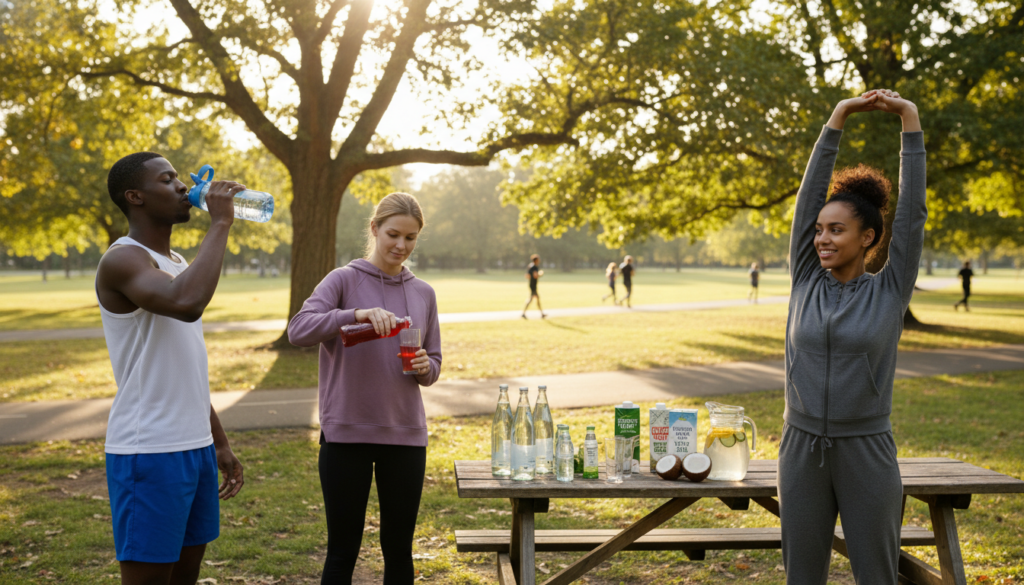
Adjusting Fluid Intake for Hot and Humid Conditions
Heat and humidity increase sweat losses and sodium depletion. For hot/humid workouts, pre-hydrate and sip frequently—consider a beverage with electrolytes if sessions exceed 45–60 minutes or if you’re a heavy sweater. Quick micro-tip: Hot/Humid — pre-hydrate, then take 6–8 oz every 15 minutes and include an electrolyte beverage when sweating heavily.
High humidity reduces evaporative cooling, so you may feel hotter even if sweat looks heavy; that’s a sign to increase both fluid and sodium intake.
Hydration Strategies for High-Altitude Training
At altitude, the air is drier, and you lose more water through respiration; you may also experience altitude diuresis. Don’t wait for thirst—sip small amounts often. Micro-tip: High Altitude — drink small, regular amounts (e.g., 4–6 oz every 15–20 minutes), monitor urine color closely, and increase daily baseline water intake.
Coaches and athletes should plan for extra fluids during acclimatization days and avoid relying solely on thirst cues.
Managing Fluid Needs During Winter and Indoor Workouts
Cold air and indoor heating can cause hidden dehydration; sweat may evaporate quickly or go unnoticed. Keep water readily accessible and schedule regular sips. Micro-tip: Cold/Indoor — set a reminder to drink 4–6 oz every 20–30 minutes and check urine color after training.
For indoor team practices (e.g., football), plan hydration breaks. Example event-day checklist: schedule 3 short water breaks (5 minutes each) and provide ~6–8 oz per athlete per break, plus electrolyte options on hot days.
| Environment Primary Risk Hydration Focus | ||
| Hot & Humid | Excessive sweat & sodium loss | Electrolytes & frequent intake (6–8 oz / 15 min) |
| High Altitude | Respiratory fluid loss | Consistent, steady sipping (4–6 oz / 15–20 min) |
| Cold & Dry | Hidden dehydration | Routine monitoring & scheduled sips (4–6 oz / 20–30 min) |
| Indoor Gym | Dry air exposure | Regular water access & planned breaks |
Practical coach/pro tip: Set up visible hydration stations and schedule short, frequent water breaks rather than one long break—this improves compliance and reduces lost practice intensity. For events, provide both plain water and electrolyte beverages so athletes can choose based on individual needs.
Download the environmental hydration planner to create a tailored plan for your training location and expected heat or altitude levels.
Conclusion
Proper hydration is a simple, high-impact habit that supports performance, reduces cramping and fatigue, and speeds recovery. Prioritizing adequate water and smart use of sports drinks when appropriate keeps you safer and more effective in training and competition.
Action steps: follow the pre-workout timing, sip regularly during exercise, replace losses after sessions based on body-weight changes, and monitor urine color and symptoms to fine-tune your plan.
- Pre-workout: hydrate 2–3 hours before and top off ~20–30 minutes before activity.
- During exercise: sip steady amounts (adjust by sweat rate and intensity) and use electrolyte beverages for long or hot sessions.
- Post-workout: replace losses — roughly 16–24 oz per pound lost — and include sodium with fluids for faster retention.
- Monitor: track body weight changes and urine color to prevent both dehydration and overhydration.
FAQ
Q: Why is proper hydration so critical for your fitness goals?
Q: How much water should I drink before a workout?
Q: What are the best practices during workouts to prevent fatigue and cramping?
Q: What are common signs of dehydration to watch for?
Q: When should I choose electrolyte drinks over plain water?
Q: What is an effective recovery hydration approach?
Ready to make this actionable? Download the quick hydration checklist or use the sweat-rate calculator in the resources section to personalize targets for your next training session.