Have you thought about how your shoes might affect your balance? Most shoes today have thick, stiff soles. These soles cut you off from feeling the ground. This lack of tactile feedback makes it hard for your body to adjust to perfect posture.
Wearing stiff shoes dulls your proprioception. This is your body’s way of knowing where it is in space. Over time, you start to rely too much on the shoes’ support. This weakens your natural ankle stability. You lose the connection between your nerves and the earth, making your muscles work in unnatural ways.
To improve your balance, learn how foot sensory receptors affect your movement. Focus on functional movement to regain your neuromuscular control. Start with foot strength exercises or try the barefoot running technique. These steps can help you regain your natural balance and movement.
Key Takeaways
- Rigid shoe soles block essential ground information, hindering your natural balance.
- Improving your connection to the floor enhances overall body awareness and stability.
- Weakened muscles often result from over-reliance on supportive, cushioned footwear.
- Simple strength movements help restore the natural alignment of your lower limbs.
- Transitioning to minimalist gear can sharpen your internal sense of position and motion.
The Anatomy of Balance: Understanding Foot Sensory Receptors
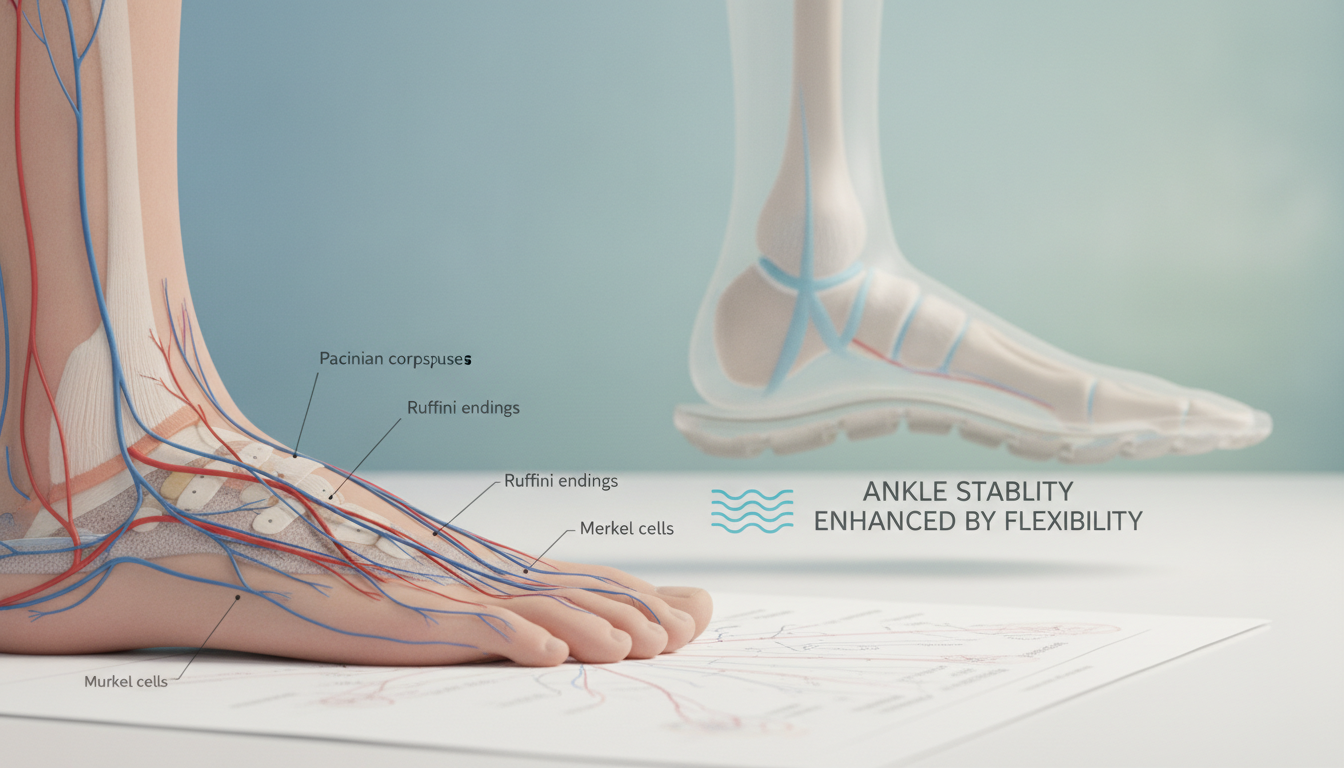
The secret to better balance lies in the thousands of nerve endings in your soles. Your eyes and inner ear help with spatial awareness. But it’s your feet that truly keep you grounded.
By focusing on foot health, these receptors work their best. They send vital information to your brain, helping you stay balanced.
The Role of Plantar Nerve Endings
Your feet have special nerve endings that collect data fast. Every step sends signals about the ground to your brain. Doing barefoot exercise keeps these nerves sharp.
Many ignore the benefits of barefoot exercise. Without thick soles, your feet feel the ground naturally. This flow of information is key to staying balanced all day.
“The foot is a masterpiece of engineering and a work of art.”
How Your Brain Maps the Ground
Your brain uses foot data to quickly map the terrain. This sensorimotor control happens quickly, helping you adjust before you lose balance. Good neural feedback is the base of every stable step.
Adding foot strength training to your routine helps. It teaches your body to handle uneven surfaces better. Whether it’s foot-strengthening exercises or just walking, your brain gets better at reading the ground.
Wearing the right barefoot shoes also helps. They let your toes spread and arches move. By reducing cushioning, you let your brain map the world more accurately. This simple change can greatly improve your balance.
The Problem with Modern Cushioning and Tactile Feedback
Your feet are made to feel the world around them. But modern shoes often block this feeling. They wrap your feet in thick, synthetic materials, reducing the sensory stimulation your nervous system needs.
This lack of foot proprioception makes it hard for your body to sense its surroundings. It affects how you move and interact with the world.
Why Excessive Padding Masks Surface Data
Shoes with too much cushioning hide the feel of the ground. This padding blocks the neural activation your body needs to know where it is. It’s crucial to focus on proprioception training to reconnect your soles with your brain.
Without this feedback, your foot health benefits suffer. Your feet become less aware of their surroundings. This makes it hard to balance, especially as you get older.
The Guesswork Your Brain Performs During Movement
When your feet can’t read the terrain, your brain has to guess about stability. This guessing game causes instability in your ankles and knees. Your body tries to make up for the missing information.
Doing barefoot exercises can help train your body. It improves your balance and stability. Learning about the biomechanics of barefoot training shows why touching the ground is key. It gives your brain the exact data it needs for confident movement.
How Stiff Footwear Disrupts Neuromuscular Control
Neuromuscular control depends on the feedback your feet give your brain with each step. Wearing stiff shoes blocks this communication, making neuromuscular adaptation hard. Functional training can help, but stiff shoes limit natural movement. Doing proprioception exercises is key to regaining your stability.
Microinstabilities in the Ankles and Knees
Rigid soles restrict the foot’s natural movements, forcing joints to work harder. This causes microinstabilities in the ankles and knees. By improving foot mobility and sensory input training, you can ease this strain. Regular foot-strength training helps improve handling of uneven surfaces.
The Link Between Rigid Soles and Balance Fatigue
Stiff shoes make it hard for the feet to adapt, so the muscles work harder to maintain stability. This leads to balance fatigue, slowed reactions, and increased fall risk. Doing barefoot balance drills at home can help. Building foot strength is the best way to stay stable.
To safely wake up your feet at home, try these two simple methods:
- The Tennis Ball Roll: Put a tennis ball under your arch and roll it for two minutes. This gives immediate sensory stimulation to the bottom of your foot.
- The Toe-Spread Drill: Sit and spread your toes as far as you can without curling them. This works the intrinsic muscles, often ignored in barefoot workouts or barefoot balance exercises.
The Science of Proprioception and Functional Movement
Proprioception is like an internal GPS that guides your steps. It uses proprioceptive input from your feet to tell your brain where you are. This helps your nervous system build strong neural pathways for smooth movements.
Without this feedback, your brain can’t map the ground well. Improving somatosensation means more than just feeling the floor. It’s about reacting quickly to every surface change.
Defining Proprioception in Daily Life
In your daily life, proprioception is key to every movement. It helps you balance and stay upright, whether walking or climbing stairs. Ignoring these signals can lead to falls and joint pain.
True functional awareness begins with your feet. Paying attention to how they touch the ground improves stability. This is the base of functional movement patterns that keep you healthy.
Why Functional Movement Requires Direct Ground Contact
Direct contact with the ground is crucial for foot biomechanics. It allows for neuromuscular activation that stabilizes your body. This reduces stress on your spine during daily activities.
Wearing minimalist shoes or walking barefoot gives you the feedback you need to improve your gait. You’ll see improvements in foot strength as your muscles better support your weight. Adding barefoot exercise techniques to your routine strengthens these healthy habits.
| Feature | Sensory-Rich Movement | Sensory-Deprived Movement |
|---|---|---|
| Neural Feedback | High (Clear signals) | Low (Muffled signals) |
| Joint Alignment | Natural and Stable | Compensatory and Stiff |
| Muscle Engagement | Active and Dynamic | Passive and Weak |
| Balance Control | Reflexive and Fast | Delayed and Guesswork |
Assessing Your Current Foot Health and Stability
Many people ignore signs that their feet are losing vital sensory input. Understanding your somatosensory system helps you see how your feet talk to your brain. By focusing on proprioception benefits, you can move more confidently and precisely every day.
Identifying Signs of Sensory Deprivation
Sensory deprivation often starts slowly, making it hard to notice until you stumble. You might not feel where your feet are on the ground. This issue often comes from wearing rigid shoes that block important sensory stimuli benefits.
Notice how your feet feel after a long day. If they feel numb, stiff, or lack foot muscle activation, your shoes might be the problem. Improving your sensory perception is key to fixing your foot anatomy.
Testing Your Static and Dynamic Balance
Simple tests can show if you need sensory integration training. These tests show how much your shoes limit your natural feedback. Use the table below to track your stability during these tests.
| Test Type | Movement Goal | Stability Indicator |
|---|---|---|
| Single-Leg Stance | Static Balance | Hold for 30 seconds without swaying |
| Heel-to-Toe Walk | Dynamic Balance | Maintain a straight line without stepping wide |
| Eyes-Closed Balance | Sensory Feedback | Detect ground texture changes accurately |
If you find it hard to balance during these tests, it’s time to check your foot biomechanics. Regular practice will help you regain the neural connections for stable, pain-free movement. Start in a safe, controlled space to build your confidence over time.
Preparing for Barefoot Training Benefits
Your journey to better movement efficiency starts with a slow change in how you treat your feet. Moving naturally takes time and a smart plan for your foot health. By giving your body time to adapt, you can safely enjoy the long-term benefits.
Gradual Adaptation to Minimalist Environments
Start by slowly introducing your feet to new textures and stimuli. Your brain must relearn the ground after years of tight shoes. This barefoot proprioceptive training helps your nervous system adjust to the world again.
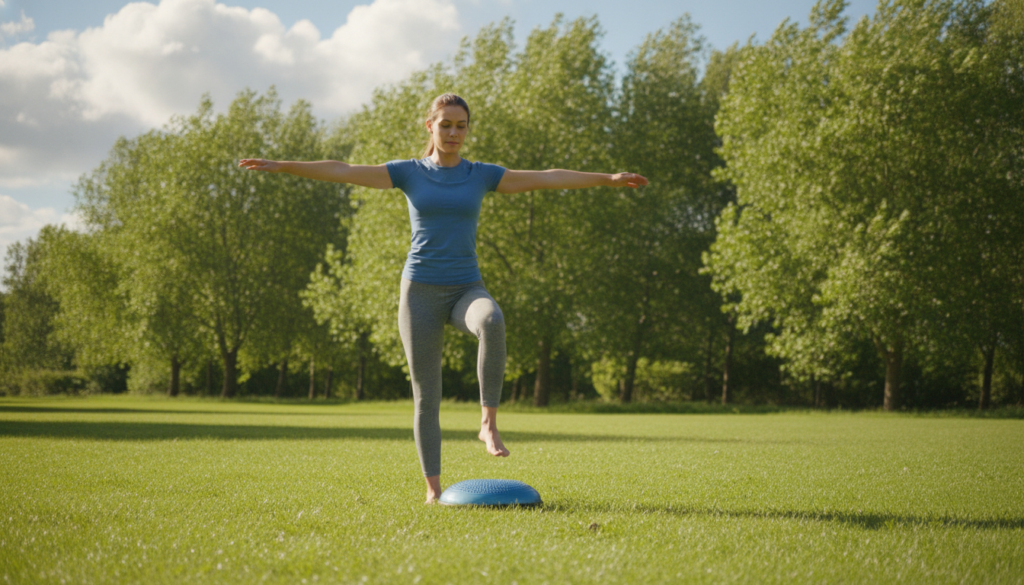
Begin with short barefoot walks on soft surfaces, such as grass or sand. This gentle sensory stimulation lets your feet adjust without hurting your muscles and joints. As you get better, you’ll see your natural movement patterns improve, leading to better posture and balance.
Safety Precautions for Beginners
Safety is key when starting your foot strength development. Don’t jump into hard activities right away. Your muscles need time to get used to the new demands. Start with low-impact foot-strengthening exercises to reduce the risk of injury.
Always listen to your body and watch for any signs of discomfort or tiredness. If you want to try barefoot running techniques, wait until your feet are strong enough. Taking these steps ensures you can enjoy the benefits of barefoot exercise for years without problems.
Step-by-Step Guide to Waking Up Your Feet at Home
Improving your balance starts with stimulating the nerves in your feet. By adding simple barefoot exercise routines to your day, you can boost your somatosensory input. These small actions are a powerful tool for long-term balance enhancement.
The Tennis Ball Roll Technique for Neural Activation
The soles of your feet have many sensitive nerve endings that can be dormant in tight shoes. A tennis ball provides intense plantar stimulation to wake these receptors. This helps your brain understand the anatomical structures of your feet and how they interact with the ground.
Put a tennis ball under the arch of your foot while sitting or standing. Gently press and roll the ball back and forth for two minutes on each foot. This simple act improves your biomechanics by helping your foot relax and adapt to pressure.
The Toe-Spread and Grip Drill for Muscle Engagement
You also need to train the foot muscles to support your weight well. The toe-spread and grip drill is a key stability training exercise. It makes your feet work together as a unit, not just a rigid block.
Begin by spreading your toes as far as you can, then curl them inward to grip the floor. Hold for five seconds before releasing. Do this ten times to strengthen your neuromuscular connection and create a stable base for every step.
Integrating Sensory Stimulation into Your Daily Routine
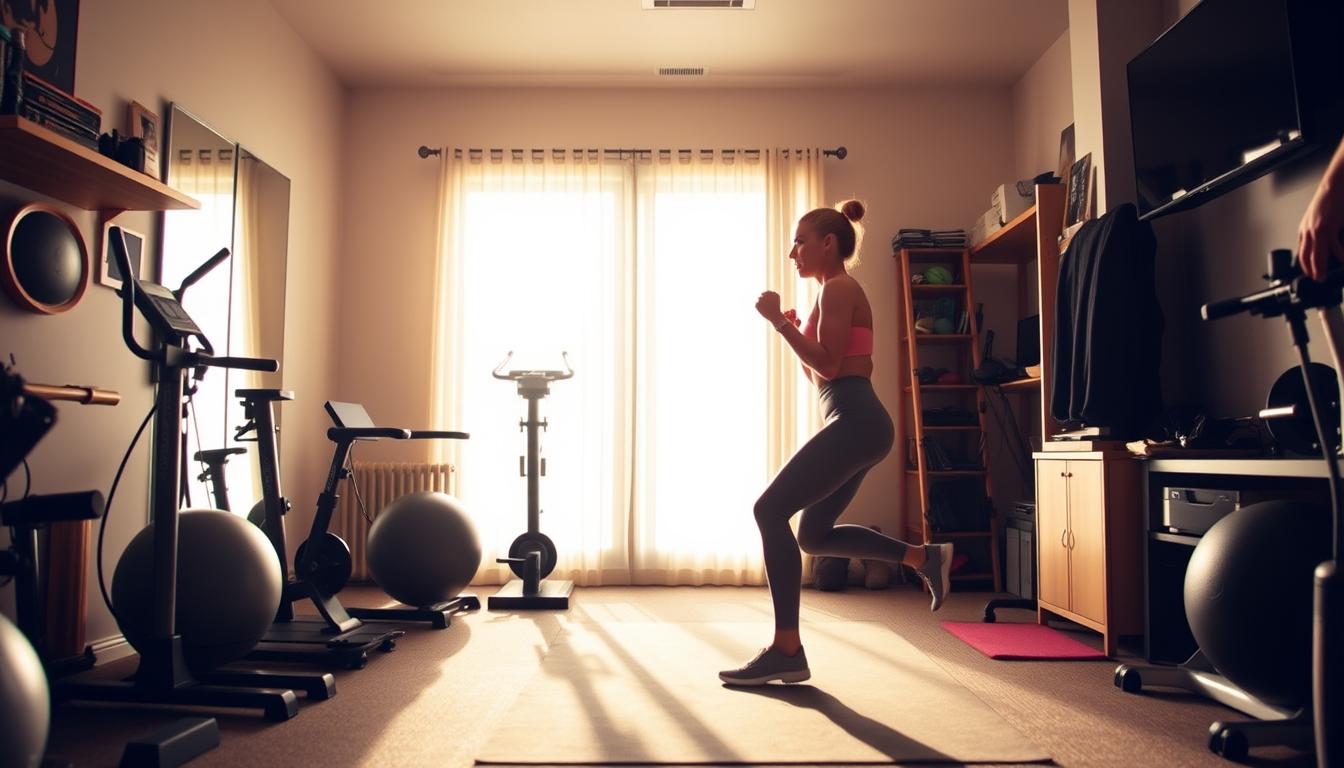
Your home is a hidden gym for better foot mechanics. Small, consistent changes in your day can improve neuromuscular integration and functional fitness. You don’t need extra time at a gym.
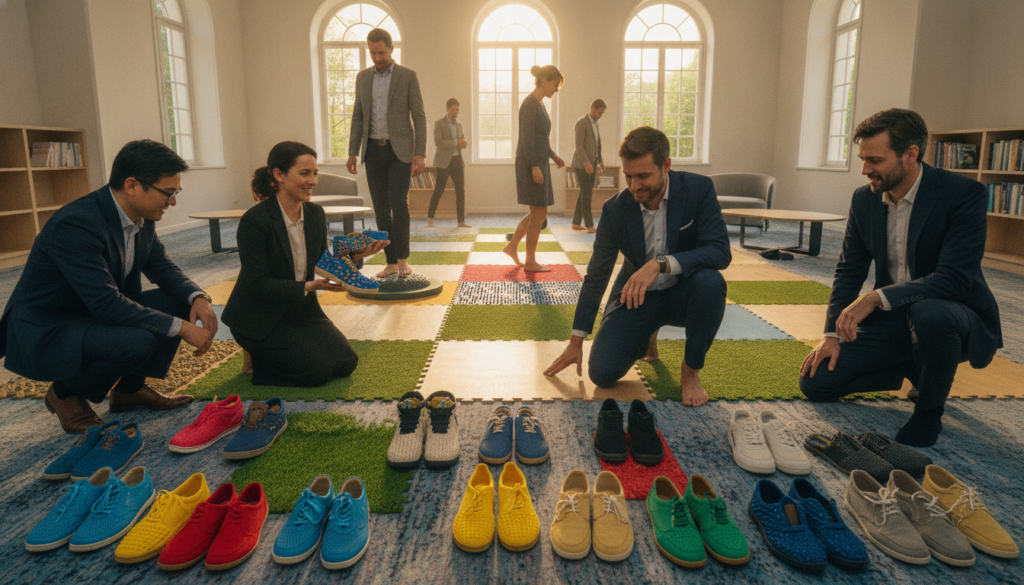
Practicing Balance Drills on Varied Textures
Walking on different surfaces can improve proprioceptive stimulation. Try walking on plush rugs, hardwood floors, or soft grass. Your feet get different feedback, helping your brain better understand the ground.
Stand on one leg while brushing your teeth or waiting for coffee. Closing your eyes makes it harder. Your body must rely on sensory input from your feet for balance.
“Movement is the song of the body, and the feet are the instruments that play the melody of our balance.”
Incorporating Barefoot Time During Household Tasks
Doing chores barefoot is a simple way to enjoy the benefits of minimalist footwear. Remove your shoes while folding laundry or washing dishes. This strengthens the muscles in your arch, like barefoot running.
Even short barefoot times can make your feet stronger and more responsive. Here’s how different surfaces affect your training:
| Surface Type | Sensory Feedback | Difficulty Level | Primary Benefit |
|---|---|---|---|
| Hardwood/Tile | High | Low | Improved barefoot performance |
| Thick Carpet | Low | Medium | Ankle stabilization |
| Natural Grass | High | High | Neural activation |
| Gravel/Sand | Very High | Very High | Arch strengthening |
Choosing Footwear That Supports Natural Biomechanics
Your shoes are key to how your body moves. The right shoes help your neuromuscular control and balance. This choice is crucial for staying healthy and independent as you get older.
Key Features of Sensory-Friendly Shoes
Look for shoes that let your feet move naturally. A wide toe box is important. It stops your toes from being squished and lets them spread out.
Choose shoes with a thin, firm sole. This gives your nervous system the feedback it needs. Stay away from too much cushioning, as it can mess with your natural walk. Make sure the shoe stays put with secure laces or straps.
Transitioning from Traditional to Minimalist Footwear
Switching to minimalist shoes takes time. Start by going barefoot at home for short times. This helps your brain and feet get used to new sensations.
Don’t rush the change. Your muscles and tendons need time to get stronger. Add proprioceptive exercises to strengthen your arches. With time, you’ll be able to handle harder surfaces.
Always choose comfortable shoes that fit well. This protects your feet as they get stronger. As you get better, you’ll see improvements in your barefoot performance training and motor control. The right shoes are key to your balance training and health.
Conclusion
Your journey toward greater stability begins when you connect with the ground. By focusing on foot sensory receptors, you gain a deeper awareness. This awareness changes how you move in the world.
Regularly doing foot strength exercises lays a strong foundation for health. You’ll see your ankles get stronger as your body learns to work with the ground. This leads to better control over your movements every day.
Choosing barefoot training boosts your brain’s ability to understand touch. This touch is key to staying agile. Whether walking or running barefoot, your feet guide your posture.
Take care of your feet today for a healthier, more independent future. Making small changes in what you wear can make a big difference. Trust in the slow process of getting stronger, starting from the ground up.