Ever noticed how your energy changes during the day? Getting your gastrointestinal health right is more than just what you eat. It’s about how your body’s systems work together.
By taking breaks between meals, you begin to optimize digestion. This lets your body do a deep clean. Giving your system time to rest helps with optimal digestion and better health in the long run.
Knowing how your gut function works is key to feeling great. A healthy gut means more than just avoiding stomach issues. It’s about creating a balanced gut environment. By using these timing tips, you can boost healthy digestion and overall gut health. This guide shows you how to improve your gut health with easy, science-backed habits.
Key Takeaways
- Prioritize gaps between meals to allow your internal systems to reset.
- Consistent timing is essential for maintaining long-term wellness.
- Small changes in your daily schedule can lead to significant improvements in how you feel.
- Focusing on natural rhythms supports your body’s efficient nutrient processing.
- Achieving balance requires a proactive approach to your daily habits.
Understanding the Migrating Motor Complex and Digestive Rest
There’s a quiet, rhythmic process in your gut that affects your health. It’s not just about counting calories. The secret to a healthy digestive system is an internal cleaning cycle. This cycle, called digestive rest, keeps your gut environment balanced.
What is the Migrating Motor Complex?
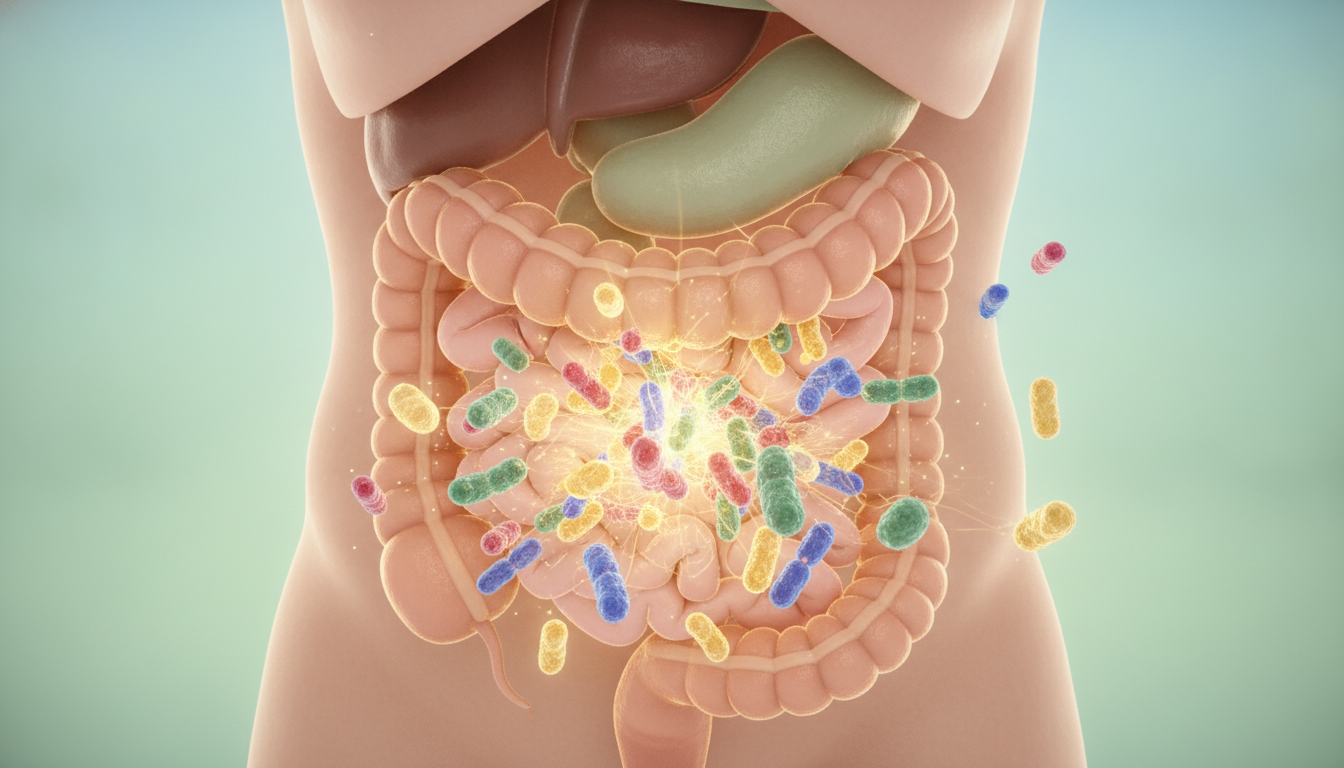
The migrating motor complex (MMC) is a special activity in your gut during fasting. It’s like your body’s janitor, cleaning out leftover food and bacteria. This MMC function keeps your gut healthy and prevents bacterial growth.
The gut-brain axis controls this system. When your stomach is empty, it sends signals for cleaning. Without these breaks, your gut can get bloated and uncomfortable.
The Physiology of the Housekeeping Wave
This cleaning wave involves contractions of the stomach that clean the small intestine. These waves move through your gut, pushing out debris. This process is more effective than digestion itself.
Keeping your GI tract clean supports your stomach function for future meals. Regular gut cleansing is key to metabolic health. Giving your body time for these cycles helps maintain your digestive tract‘s health.
The Dangers of Constant Grazing on Gut Motility
If you snack every hour, you might harm your body’s natural cleaning system. Modern culture often suggests eating small meals often. But this can hurt your gut motility.
Your body needs a specific digestive cycle to keep your intestines functioning properly. Constantly eating stops this cycle.
How Frequent Eating Disrupts the MMC Cycle
The MMC cycle is like a cleaning wave in your small intestine between meals. When you eat, it stops to digest food and absorb nutrients. If you eat again before it finishes, you block the cleaning process.
This constant digestion stops the MMC from doing its job. Undigested food and bacteria stay longer. This can cause discomfort and slow digestion.
The Link Between Snacking and Persistent Bloating
Many people have bloating without knowing it’s from snacking too much. When the MMC is blocked, bacteria multiply, leading to gas and bloating. To fix bloating, give your body time to reset.
Reducing bloating means eating less often. Longer breaks between meals help your gut motility work properly. This simple change can greatly help with bloating relief. Instead of relying on bloating remedies, focus on eating less often.
Defining Gut Silence and Its Role in Chrononutrition
Learning about gut silence is key to bettering your metabolic health. It means giving your digestive system a break to clean itself without food getting in the way.
By following chrononutrition, you match your eating with your body’s natural rhythm. A 4-5 hour break between meals helps prevent bloating and boosts your metabolism.
The Science of Digestive Timing
The science behind food timing is simple. Your body needs a clean start each time you eat. Eating stops the cleaning waves in your gut.
Having a regular break between meals lets these waves finish their job. This small change can help those with ongoing digestive issues.
Aligning Your Eating Window with Circadian Rhythms
Your body has a natural rhythm that affects everything, from hormones to repair. Circadian rhythm nutrition means eating when your body is best able to process food.
This method does more than just help with digestion. It also improves your sleep quality. Avoiding late-night snacks lets your body rest rather than digest.
Respecting your circadian rhythms through food timing is crucial for lasting health. It lets your body work as nature intended.
Step One: Assessing Your Current Eating Patterns
Starting your journey to better digestion is simple. Just take a close look at your daily eating habits. Many people don’t see how their diet and digestion are connected to how often they eat. By examining your routine, you can understand why you might feel bloated or tired.
Identifying Hidden Snacking Habits
It’s easy to miss the small snacks we eat all day. A handful of nuts, a quick fruit, or flavored coffee can keep your digestive system busy. This stops your body’s natural cleaning cycle.
If you have digestive disorders, these snacks are often the problem. They disrupt the rest of your gut, which needs to work well. Spotting these habits is the first step to getting your gut back in balance.
Tracking Your Daily Digestive Intervals
To change, you need to know your habits. Log what you eat for three days, noting the time. This shows the gaps between meals and how often you start digestion.
By tracking your diet and digestion, you see your current rhythm. You might eat every two hours, leaving no time for gut cleaning. This info is key for those with digestive disorders aiming for a better eating plan.
| Eating Style | Frequency | Impact on Gut |
|---|---|---|
| Constant Grazing | Every 1-2 hours | High stress; no rest |
| Structured Meals | Every 4-5 hours | Allows for MMC activation |
| Intermittent Fasting | 16+ hour window | Optimal for deep repair |
Step Two: Implementing the Four-Hour Fasting Window
Creating a four-hour gap between meals starts your body’s natural cleaning cycle. This meal timing helps your body do its housekeeping without breaks. It’s key to modern digestive health.
Strategies for Extending Time Between Meals
To make meals farther apart, stop eating between meals. Intermittent fasting helps plan your day better. Start by delaying your afternoon snack by thirty minutes each day.
Eat meals rich in nutrients and fiber to feel full longer. Meals rich in healthy fats and proteins help keep your blood sugar steady. This makes waiting for your next meal easier. Being consistent trains your gut to rest when needed.
“The digestive system needs quiet time to do its best work. By following your body’s natural rhythm, you get deeper health benefits.”
Managing Hunger During the Transition Phase
Feeling hungry when changing your meal timing is normal. It takes time for your body to adjust. Drink water or herbal teas to fight off early hunger.
If hunger is too strong, do something else to distract yourself from food. A short walk or a task can help until your next meal. Remember, getting used to intermittent fasting takes time, but it gets easier.
| Habit Type | Impact on Digestion | Gut Motility Status |
|---|---|---|
| Frequent Snacking | Constant activation | Interrupted |
| Structured Meals | Predictable cycles | Optimized |
| Four-Hour Fasting | Complete rest | Restored |
Step Three: Optimizing Nutrient Absorption Through Timing
To get the most out of your food, think of your gut as a system that needs to start fresh. When your digestive tract is empty, your body can focus on absorbing nutrients from your next meal. This is key to optimizing digestion and keeping your system running well.
Why Digestion Needs a Clean Slate
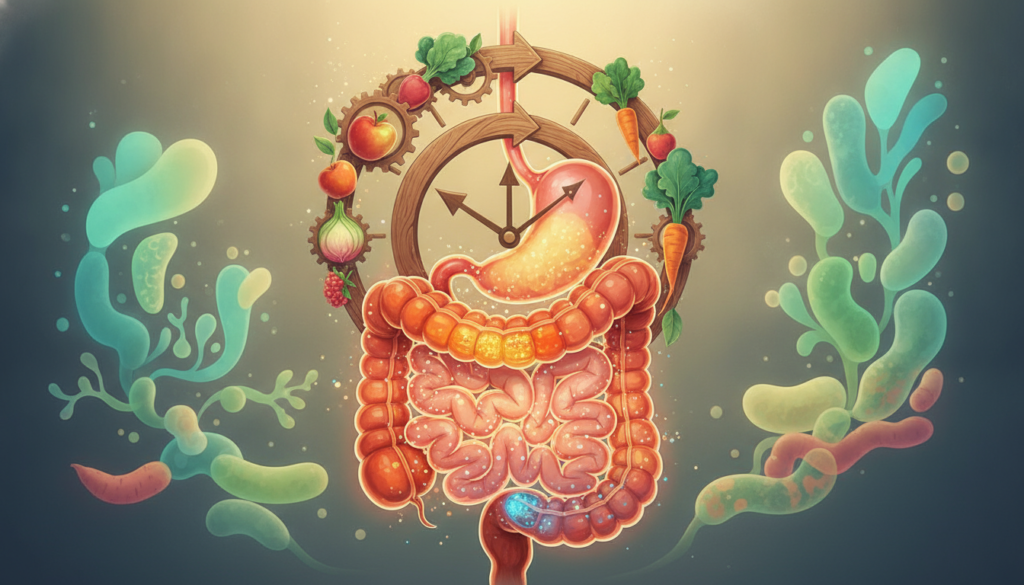
The MMC cycle is like a natural cleaning wave in your small intestine. It’s crucial for keeping your gut healthy. Without this break, your gut can’t clean itself properly, and it may harbor too much bacteria.
By giving your body time between meals, you help the MMC pathway function more effectively. This ensures your digestive process stays smooth. When you respect these breaks, your body can do its maintenance work. This leads to healthy digestion and better stomach function.
The Impact of Meal Composition on MMC Activation
The food you eat affects when your MMC function starts. Meals high in fiber or fat can slow down stomach contractions. Eating too often can also stop the next wave of movement.
Eating nutrient-rich meals helps your body digest better. It gives your body what it needs without overloading it. By eating at the right times, you support your body’s natural digestive processes.
The Connection Between Gut Silence and Metabolic Health
A healthy gut isn’t just about what you eat. It’s also about when you eat. Giving your body time to rest is key. This helps repair cells and keeps your metabolism in check. It’s a crucial part of the diet and digestion.
How Digestive Rest Influences Insulin Sensitivity
Snacking all day keeps your body always working on glucose. But digestive rest helps even out insulin levels. This makes your body better at using insulin, helping prevent metabolic problems.
When your body is good at using insulin, it manages energy better. This means you absorb nutrients better during meals. A healthy gut is key to maintaining steady blood sugar levels.
Supporting Your Body’s Natural Detoxification Processes
Your digestive system needs breaks to work right. It’s not just for food; it’s a complex system that needs downtime. This downtime helps clear out old cells and supports the growth of good bacteria.
Less work for your intestines means less inflammation. This helps your immune system work better. Making digestive rest a priority is a simple way to improve your diet and digestion.
| Feature | Constant Grazing | Strategic Digestive Rest |
|---|---|---|
| Insulin Response | Frequent spikes | Stable and efficient |
| Cellular Repair | Limited downtime | Active and prioritized |
| Gut Health. | Increased inflammation | Improved microbiome balance |
| Nutrient Absorption | Often compromised | Optimized and thorough |
Addressing Common Obstacles to Digestive Wellness
Getting your gut function right is a journey with physical and social challenges. When you start focusing on your gastrointestinal tract, you might face old habits and social norms. It’s important to be patient and open with others about your changes.
Overcoming Social Pressures to Eat Constantly
Social events often center around food, making fasting seem lonely. You might feel like you need to snack because everyone else does. But remember, your health choices are yours alone and don’t need others’ approval.
The gut-brain axis affects how we see these social pressures. Knowing that our hunger is often a mental thing helps us handle it better. Try to enjoy the company more than the food at these gatherings.
Dealing with Digestive Issues During the Adjustment Period
As your body adjusts to a new routine, you might experience digestive issues. These signs show your body is adjusting. It’s key to distinguish between normal changes and motility disorders.
If you’ve had digestive disorders before, watch your symptoms closely. While some discomfort is normal, serious pain or bloating needs a doctor’s check-up. Knowing the difference between healing and ongoing gut motility disorders helps you stay on course.
| Social Challenge | Effective Response | Outcome |
|---|---|---|
| Pressure to snack | Polite refusal | Maintained fasting |
| Workplace lunches | Bring your own meal | Consistent schedule |
| Family gatherings | Focus on conversation | Reduced stress |
| Persistent digestive issues | Consult a specialist | Targeted care |
Lifestyle Adjustments to Support Gut Peristalsis
Supporting your body’s natural rhythm is more than just what you eat. It also includes how you move and stay hydrated. Meal timing is key, but your daily habits are crucial for gut peristalsis to work well. A holistic approach gives your digestive system support for long-term health.
The Role of Hydration in Intestinal Transit
Water is a hero for a healthy digestive tract. It’s essential for smooth intestinal transit. Without enough water, fiber can slow down your intestinal transit time, causing discomfort.
Think of water as the lubricant for your digestive system. When you drink enough, your body can keep stool the right consistency. This promotes regular intestinal movement. Drinking water regularly helps keep your gastrointestinal transit smooth and pain-free.
Physical Activity and Its Effect on Gastrointestinal Motility
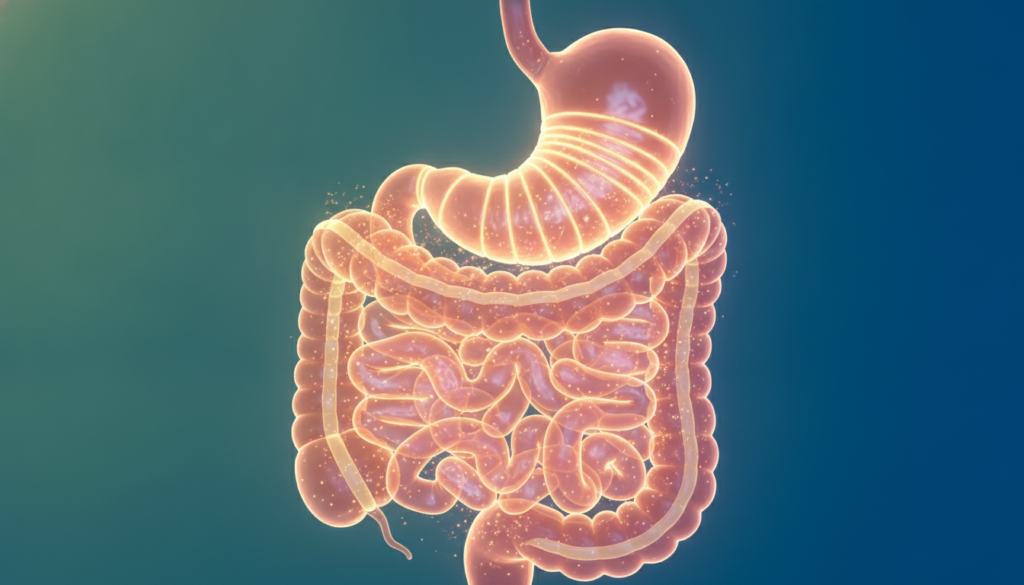
Movement is key to gastrointestinal motility. Regular physical activity wakes up your digestive organs. It encourages the natural peristaltic waves that move food through your system. Even light exercise, like a brisk walk after a meal, helps keep things moving.
“Movement is medicine for the body, and your gut is no exception; staying active is one of the most effective ways to keep your internal processes flowing smoothly.”
When you move, you physically encourage gut motility by boosting blood flow to your digestive tract. This helps prevent stagnation and supports your gastrointestinal motility. By adding movement to your daily routine, you help your body stay healthy and on pace.
Monitoring Your Progress and Reducing Abdominal Discomfort
Watching how your body reacts to regular meal times can give you insights into your health. By tracking your habits, you can spot patterns you might miss otherwise. This way, you actively work to reduce abdominal discomfort and improve your quality of life.
Signs That Your Gut Is Healing
Introducing breaks for digestion can lead to noticeable improvements. A key sign is bowel movement regulation. This means you feel less urgent and more regular in your bowel movements.
Another sign is bloating relief. If your belly feels flatter and less tight after meals, it’s a good sign. Many also notice more energy and fewer digestive issues that used to slow them down.
“The gut is a complex ecosystem that thrives on rhythm; when we respect the need for rest, we allow the body to perform its most essential housekeeping functions.”
When to Consult a Professional for Motility Disorders
While lifestyle changes can help with bloating, some symptoms need a doctor’s attention. Severe pain or unexplained weight loss are red flags. They might point to gut motility disorders that need medical help.
It’s crucial to distinguish between occasional bloating and chronic conditions. If your symptoms don’t get better after a few weeks, see a specialist. They can help manage motility disorders and digestive issues effectively.
| Symptom Category | Healthy Progress | Consult a Professional |
|---|---|---|
| Abdominal Bloating | Decreases after meals | Persistent and painful |
| Bowel Habits | Regular and predictable | Chronic constipation/diarrhea |
| Energy Levels | Stable throughout the day | Constant fatigue after eating |
| Pain Levels | Minimal to none | Sharp or recurring pain |
Advanced Techniques for Maintaining Digestive System Harmony
To keep your digestive system in balance, you need more than basic habits. Start with a solid foundation, then use advanced methods to keep your body strong amid today’s challenges.
Integrating Intermittent Fasting with Gut Silence
Mixing intermittent fasting with gut silence enhances digestion. Eating when your body naturally wants to helps it repair itself instead of digesting food all the time.
This way of eating, in line with your circadian rhythms, keeps your digestive system working well. It lets your body clean itself properly at the right time.
Long-term Maintenance of the Digestive System
Keeping your digestive system healthy for the long run means being consistent, not perfect. By following chrononutrition, you build a gut-friendly lifestyle that lasts.
Listen to your body and adjust your diet based on your level of activity. Learning these advanced techniques helps keep your digestive system healthy, even when life gets tough.
Conclusion
Starting your journey to better gut health is all about understanding the importance of gut silence. By listening to your body’s natural rhythms, you help your body work better. This creates the perfect environment for regular bowel movements.
Sticking to these habits is key to long-term digestive health. Eating at regular times helps your intestines move food smoothly. This leads to a more balanced digestive system.
Healthy peristalsis, or muscle movement in your intestines, helps you use energy wisely. It keeps your digestive system in check. As you practice this, you’ll notice your digestion improves over time.
Begin making small changes in your daily life to support a healthier gut. These small steps can make a big difference in how you feel. Your body will thank you for giving it the quiet it needs to work its best.