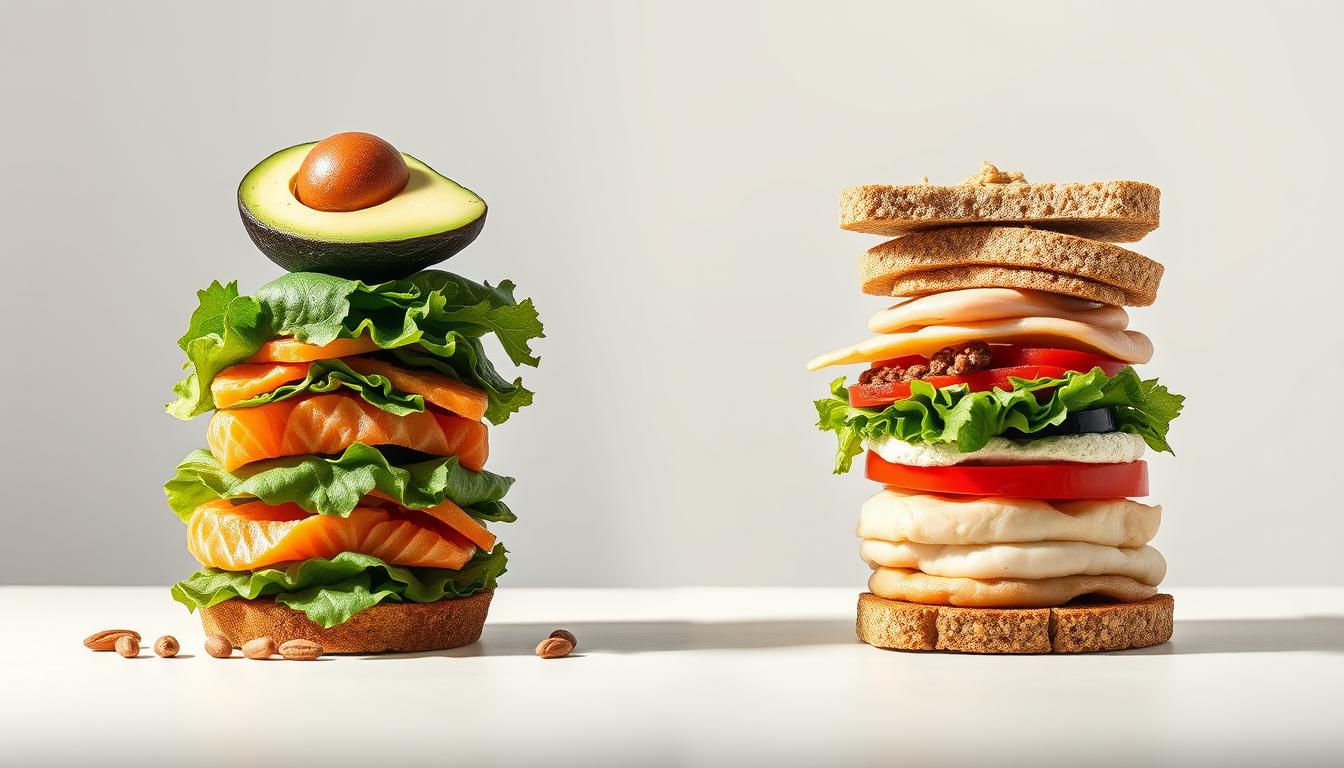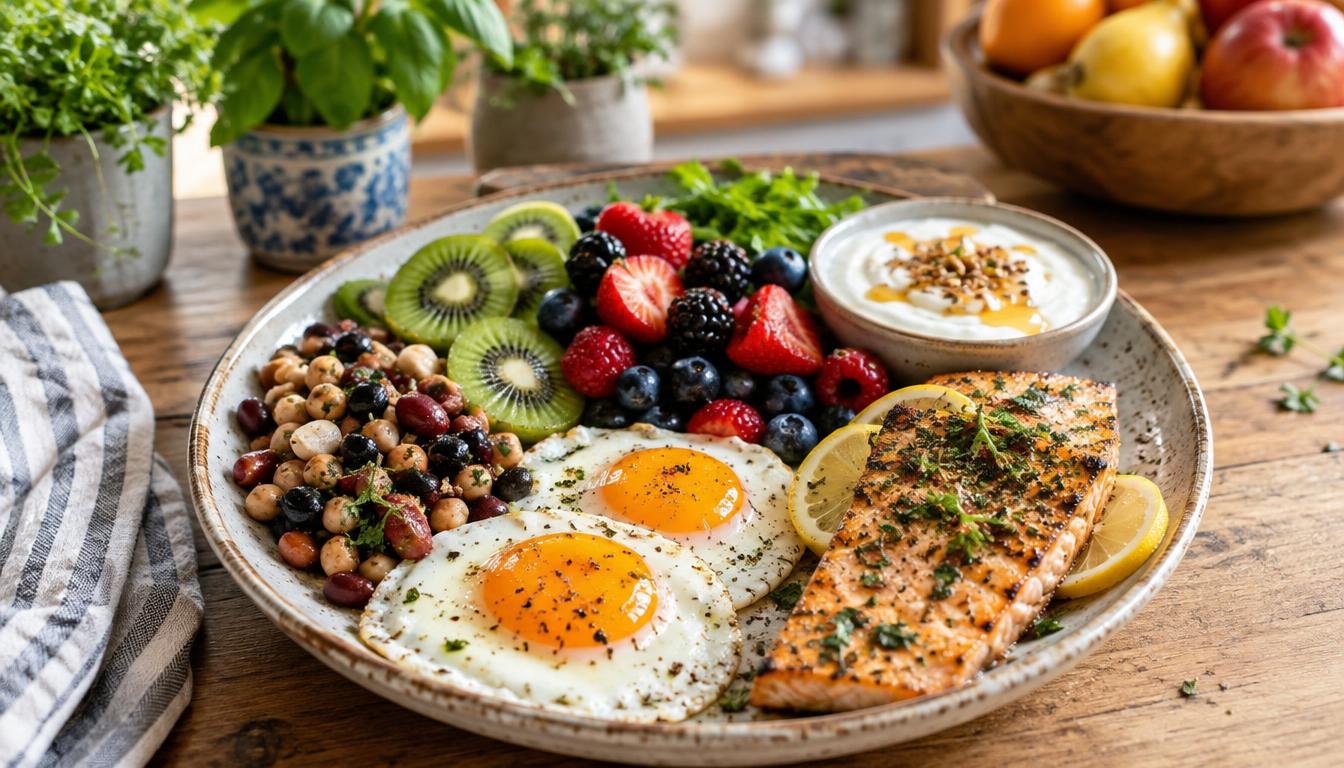
One online feed may praise a food as a cure, then call it dangerous. Whole foods nutrition can feel confusing when claims clash, and cutting through diet noise takes more than another strict rule.
Dr. Christopher Gardner, a Stanford nutrition scientist, studies how eating patterns affect health. Nutrition experts largely agree that variety and balance matter, not a rule that everyone must eat the same six foods. No single food guarantees wellness or weight loss.
The six categories here are beans and legumes, fruits, nuts and seeds, eggs, fish, and fermented foods such as yogurt. They are useful choices, not required items or a universal checklist. These healthy diet basics offer a practical way to consider what might suit your meals, preferences, and health needs. Without fearmongering, we’ll look at the foods and how to judge diet claims before deciding what belongs on your plate.
Key Takeaways
- Healthy eating rests on broad patterns, not magic foods.
- Beans and legumes, fruit, nuts and seeds, eggs, fish, and fermented foods offer flexible choices.
- You do not need to eat all six categories every day.
- Packaged foods can fit; labels help you compare them.
- Personal health needs may call for a clinician’s advice.
How Can You Tell Nutrition Advice From Diet Hype?
A claim that promises fast results if you cut out an entire food group deserves a closer look. Quick fixes can sound convincing, but they often leave out how people eat over time.
Be cautious when a plan promises rapid weight loss, bans broad food groups, or relies on weak evidence. Such rules may be hard to maintain and could raise questions about nutritional adequacy. Science-backed nutrition advice tends to focus on a varied pattern that can fit real life.
Be cautious when a plan promises rapid weight loss, bans broad food groups, or relies on weak evidence.
Restrictive plans may work for a short period because they sharply change what you eat. That does not prove their sweeping claims or show they suit your needs. Evidence-based dietary guidance looks beyond a dramatic before-and-after story.
Red flags in restrictive promises
Notice whether a plan depends on strict rules or treats one food as the key to health. A ban may have a sound medical reason for some people, but broad restrictions deserve context. Anti-diet culture nutrition also asks who benefits when a plan turns ordinary food into a threat.
| Claim signal | What it may look like | Question to ask instead |
|---|---|---|
| Rapid-loss promise | Guaranteed fast results | What evidence supports the claim? |
| Food-group ban | A whole category is forbidden | Is there a medical reason for this restriction? |
| One-food focus | One ingredient is presented as a fix | What does the overall eating pattern look like? |
| Short-term rule | A plan is hard to keep long term | Can it fit everyday life and nutritional needs? |
A more useful test for nutrition claims
Ask what the claim is based on, whether it applies to people like you, and what happens beyond a few weeks. A single study or personal story cannot answer every question. Dr. Christopher Gardner’s nutrition work focuses on patterns and outcomes, rather than treating one ingredient as a cure.
Flexible guidance makes room for taste, culture, budget, and health conditions. A sound framework leaves room for personal needs and favors a pattern you can sustain. From there, broad principles offer a steadier way to sort advice.
Whole Foods Nutrition, Nutrition Expert Consensus, Healthy Diet Basics: What Is the Common Ground?
The closest thing to broad agreement is a flexible pattern built on variety, balance, and food quality, not a fixed list everyone must eat. Shared principles can guide choices without prescribing one menu for everyone.
Nutrient density is the amount of beneficial nutrients a food provides relative to its energy content. A healthy pattern often favors minimally processed foods, but individual needs, access, and preferences still matter.
Healthy eating patterns can help protect against heart disease, prediabetes, type 2 diabetes, and obesity. That does not mean one food prevents or treats these conditions. The Mediterranean and DASH patterns are commonly recommended examples, not mandatory diets.
Balance, variety, and food quality
Balance means combining foods that play different roles. Variety means changing choices across food groups and meals. A practical unprocessed foods list is not a strict test; canned beans, frozen vegetables, and other minimally processed foods can also fit.
| Shared principle | What it means | Practical example |
|---|---|---|
| Balance | Combine different food roles | Beans with vegetables and grains |
| Variety | Rotate choices across categories | Choose different fruits and proteins across meals |
| Food quality | Favor foods with less processing | Use fruit instead of a sugary snack when it suits you |
| Personalization | Adapt to health, lifestyle, and preference | Follow a clinician’s guidance for a diagnosed condition |
Why there is no single required menu
Core healthy foods can look different across households. One person may prefer plant-forward meals, while another includes eggs or fish. Both can follow broad healthy diet basics without eating the same foods each day.
Balance and variety are useful principles, not a universal prescription. The six categories are practical options within that flexible pattern. Beans and legumes are a good place to start when they suit your meal.
Why Do Beans and Legumes Belong on Your Plate?
Picture adding a scoop of beans to a meal that otherwise has little staying power. Beans and legumes offer plant-based protein and dietary fiber, making them useful options in many meals. Useful, not required, is the point.
Beans and legumes can add substance and variety without becoming a compulsory superfood. You might add beans to soup, stir lentils into a grain bowl, or toss chickpeas into a salad. They also work in many cuisines and can be seasoned to suit your taste.
Canned, dried, and cooked-from-scratch options can all fit. Canned beans save time, while dried beans give you control over the cooking. If you need to monitor sodium, check canned-food labels or rinse beans before using them.
- Stir beans into soup.
- Mash them into a spread.
- Add chickpeas or other beans to a salad.
- Combine lentils or beans with grains.
A can of beans from the pantry can turn leftover vegetables and rice into a fuller meal. Choose what you enjoy and can use. A staple is only useful if it fits the meal, and fruit offers another flexible choice.
How Does Fruit Fit a Healthy Diet?
Add fruit to breakfast or save it for dessert. Whole fruit adds naturally sweet flavor and variety without replacing every sweet food you enjoy. Either choice can work.
Whole fruit can be a snack, a breakfast addition, or a dessert. Try berries with yogurt, an apple with nut butter, or fruit after dinner. Choose what sounds good and fits your routine.
Whole fruit differs from a sugar-sweetened drink or dessert, even if both taste sweet. Those foods are not all the same. A piece of fruit has its own texture and form, while sweet drinks can deliver sugar without the experience of eating whole fruit.
Fresh, frozen, and canned fruit can each offer convenience. Frozen berries can go into oatmeal, and canned peaches can be handy when fresh fruit is not available. Check how canned fruit is packed if added sugar matters to you.
You don’t need to treat fruit as a willpower test or a substitute for a food you genuinely want. Preference and convenience count, and nuts and seeds can bring a different texture to a meal.
What Do Nuts and Seeds Add to Everyday Meals?
A plain bowl of oatmeal can feel more appealing with a spoonful of nuts or seeds. Walnuts, almonds, peanuts, chia seeds, and pumpkin seeds add crunch and variety. A small addition can change how a meal feels.
Nuts and seeds are useful additions, not cures or foods you need to eat in large amounts. Scatter them over oatmeal or yogurt, add them to salads, or pair nut butter with fruit. These choices can support plant-forward eating without turning every meal into a project.
- Use nuts or seeds as a breakfast topping.
- Add them to a salad for crunch.
- Pair nut butter with fruit.
Some people have allergies, and individual medical needs can also change what is appropriate. If a handful of nuts does not suit your appetite or budget, a small topping may be more practical. The health benefits of nuts and seeds don’t depend on building a meal around them.
The term everyday superfoods can make familiar ingredients sound like a cure-all. They are simply foods that may fit foundational healthy eating habits. More is not always better, and the right amount depends on your needs and the rest of your meal.
From oatmeal to a salad, choose what appeals to you. This is not a required sequence of foods. Eggs offer another convenient choice for meal variety.
What Should You Know About Eggs?
If you need a fast meal more substantial than toast alone, an egg can be one convenient option. Eggs contain protein and can work at breakfast, lunch, or dinner. Convenient does not mean compulsory.
Egg nutrition facts do not set a personal daily target for how many eggs you should eat. An egg on toast with vegetables can make a quick meal, while a hard-cooked egg can go alongside a salad.
A recommended dietary allowance applies to a nutrient need, not to a required number of eggs. A serving target for one nutrient doesn’t tell you how many eggs fit your whole diet. Health history and clinician advice can shape individual choices, so don’t treat a general nutrition chart as personal medical guidance.
Eggs are one of several protein sources. You can choose them for convenience, taste, or the way they fit a meal. No universal egg target fits everyone, so personal guidance matters when you have a health concern.
You can pair eggs with vegetables and bread, or leave them out entirely. They are one option among several, and fish adds another choice to a varied eating pattern.

What Makes Fish a Useful Protein Choice?
A weeknight dinner might be simple baked fish with vegetables or a heavily fried meal. Fish can be a useful protein choice, and how you prepare it changes the meal’s texture and ingredients. One dinner doesn’t determine your health.
Fish can fit a varied eating pattern without dominating it. Baked fish with vegetables is one straightforward option. Canned fish in a sandwich can also work when you need a quick meal.
Frying adds a different cooking method and may add more fat than baking. That contrast does not make one meal a verdict on your health. Saturated fat and other parts of your diet matter in the overall pattern, not as a judgment of one dinner.
The health benefits of fish depend on the wider diet and personal context. No single food guarantees protection against chronic disease. For current advice on how often to eat fish and which choices suit you, check current U.S. dietary guidance.
Health conditions, allergies, pregnancy, and other circumstances can affect fish choices. Seek personalized advice if one of these applies to you. Do not assume one fish recommendation fits everyone; ask a qualified clinician when your needs are specific.
Fish is one protein choice, not a food that must lead every meal. With no single protein required to dominate, fermented foods add another category with a different purpose.
Can Fermented Foods Like Yogurt Support Gut Health?
At the grocery store, you might choose plain yogurt or a sweetened flavored version. Fermented foods fit everyday eating, but fermentation alone doesn’t guarantee a gut health benefit.
Probiotics are live microorganisms that can provide a health benefit when consumed in adequate amounts. Not every fermented food or product provides that benefit. Plain or unsweetened yogurt is a practical option, while other familiar fermented foods may suit your tastes.
Yogurt probiotic benefits depend on the product and the microorganisms it contains. Fermented foods and gut health are active areas of interest, but a food is not a treatment for a medical condition. The word fermented does not guarantee a particular effect.
- Ask whether you enjoy it.
- Consider whether added sugar fits your preferences.
- Check whether its ingredients or preparation suit your needs.
Other fermented foods include sauerkraut or kimchi. They can add flavor to meals, but you do not need them to meet a health goal. People with specific medical concerns should get individualized guidance before using foods as part of a treatment plan.
Choose a product for taste, convenience, and fit with your needs, not a promise on its package. Minimally processed ingredients may matter to you, but they don’t, by themselves, establish probiotic effects. Fermented foods can be ordinary foods, not medicine, until you combine the six categories into meals.
How Do You Build a Balanced Plate Without Tracking Everything?
Start with foods already in your refrigerator or pantry: leftover rice, canned beans, frozen vegetables, and an egg could become a meal. Use what you have before planning a shopping trip.
You do not need to include all six categories at every meal. Combine available foods in ways that make sense, such as beans with vegetables and grains, yogurt with fruit and seeds, or eggs with vegetables and toast.
Start with the foods already in your kitchen
Home-prepared meals let you control ingredients and portions. They do not need to be elaborate. A simple bowl with leftover grains and vegetables can make a useful starting point.
| Meal moment | Simple combination | Convenience move |
|---|---|---|
| Breakfast | Yogurt, fruit, and seeds | Portion out fruit and seeds ahead |
| Lunch | Beans, vegetables, and grains | Use cooked or canned beans |
| Dinner | Fish, vegetables, and grains | Prepare extra vegetables for another meal |
| Snack | Fruit with nut butter | Keep fruit visible and nut butter accessible |
Make the next meal easier to choose
Planning for stress, tiredness, or limited time often helps more than relying on willpower. You might cook extra vegetables at dinner or place fruit where you can see it. Dietary guidelines for Americans offer broad direction, while your daily meal plan can stay flexible.
Balanced meal planning does not require tracking every nutrient or copying a rigid template. Repeatable small plans matter more than perfect meals. When the next meal feels manageable, consider weight management in the context of the whole pattern.
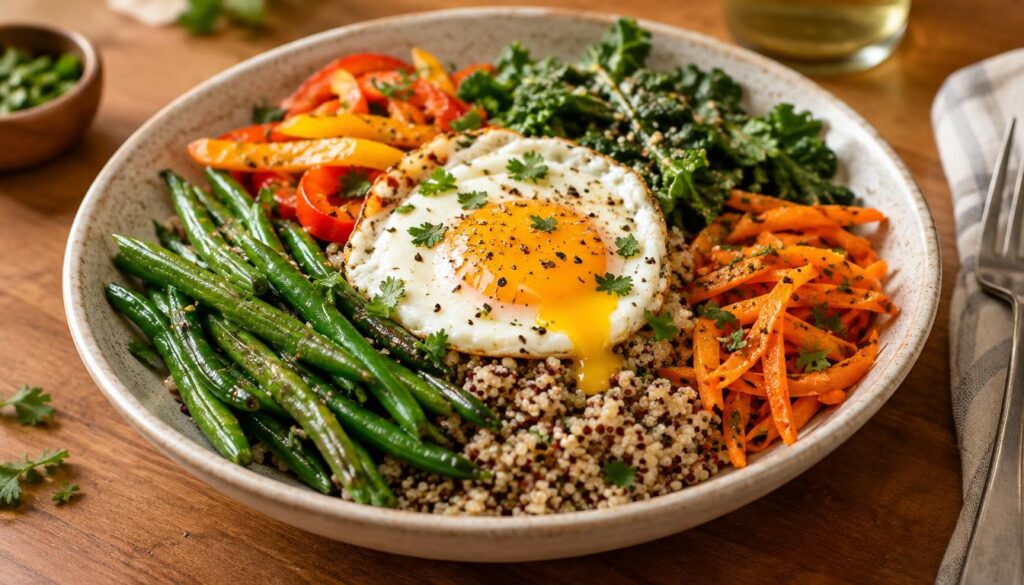
Can These Foods Support Sustainable Weight Management?
These foods can support a weight-management pattern, but they cannot guarantee a particular outcome. Patterns matter more than a list of ingredients.
No six-food list guarantees weight loss. Nutrient-dense whole foods with fiber can make meals satisfying, but what works for you depends on your overall eating pattern and personal circumstances.
What observational evidence can and cannot tell you
A prospective cohort followed 136,432 health professionals for up to 28 years. Every four years, a 100-gram-per-day increase in carbohydrate from fruit and non-starchy vegetables was associated with 1.6-3 kilograms less weight gain.
In the same comparison, a similar increase from refined grains and starchy vegetables was associated with 0.8-2.6 kilograms more weight gain relative to the fruit-and-vegetable group. These results show an association, not proof that one food choice caused a weight change.
These foods can support a weight-management pattern, but they cannot guarantee a particular outcome.
Build habits around satiety, access, and personal needs
Weight is shaped by overall patterns and individual circumstances. Access to food, health, sleep, and daily routines can all affect what is realistic. These findings do not set a calorie target or predict what will happen to one person.
Use the evidence as context, not a promise. Simple nutrition guidelines can help you consider choices that feel satisfying and practical. A pattern that supports plant-based, whole-food health may help, but weight management is personal.
Focus on options you can access and enjoy, rather than trying to copy someone else’s result. Your health history may call for tailored advice. Personal choices and product details sometimes need a closer look.
What Should You Check on Labels and When Should You Personalize Advice?
When two similar packaged foods make hard-to-compare claims on the front, turn the package around. The details can help you choose what fits your needs.
A food label is a tool, not a purity test. Canned, frozen, and packaged foods can still be useful choices. Focus on the parts that matter to you rather than tracking every nutrient.
- Check the serving size shown on the package.
- Look at added sugars if they matter to your choice.
- Check sodium when it matters for your health needs.
- Review ingredients that matter to your preferences or allergies.
Food label literacy can help you compare similar products, but no label tells you whether a food is right for every person. For example, frozen vegetables with no sauce differ from a sauced option in ingredients and how you use them.
Ask for personalized advice if you have a diagnosed condition, take medication, are pregnant, have allergies, or have specialized needs. General guidance may not fit those circumstances, and you do not need to track micronutrients unless your care team recommends it.
A food label is a tool, not a purity test.
Use food label reading selectively, and seek individual advice when your health circumstances call for it. For your next grocery trip, compare two similar foods and choose the option that suits your needs.
Conclusion
A useful food pattern is not a compulsory checklist. Broad principles matter more than finding a supposedly perfect list of foods.
You can build a steady pattern with choices that fit your taste, routine, and health needs. General advice may need to change when a health condition, medication, or other personal factor is involved. A clinician can help tailor it.
For your next meal, choose one small addition from a food category that feels easy and appealing. Add it, then notice whether it works for you. That single practical step is enough to begin.