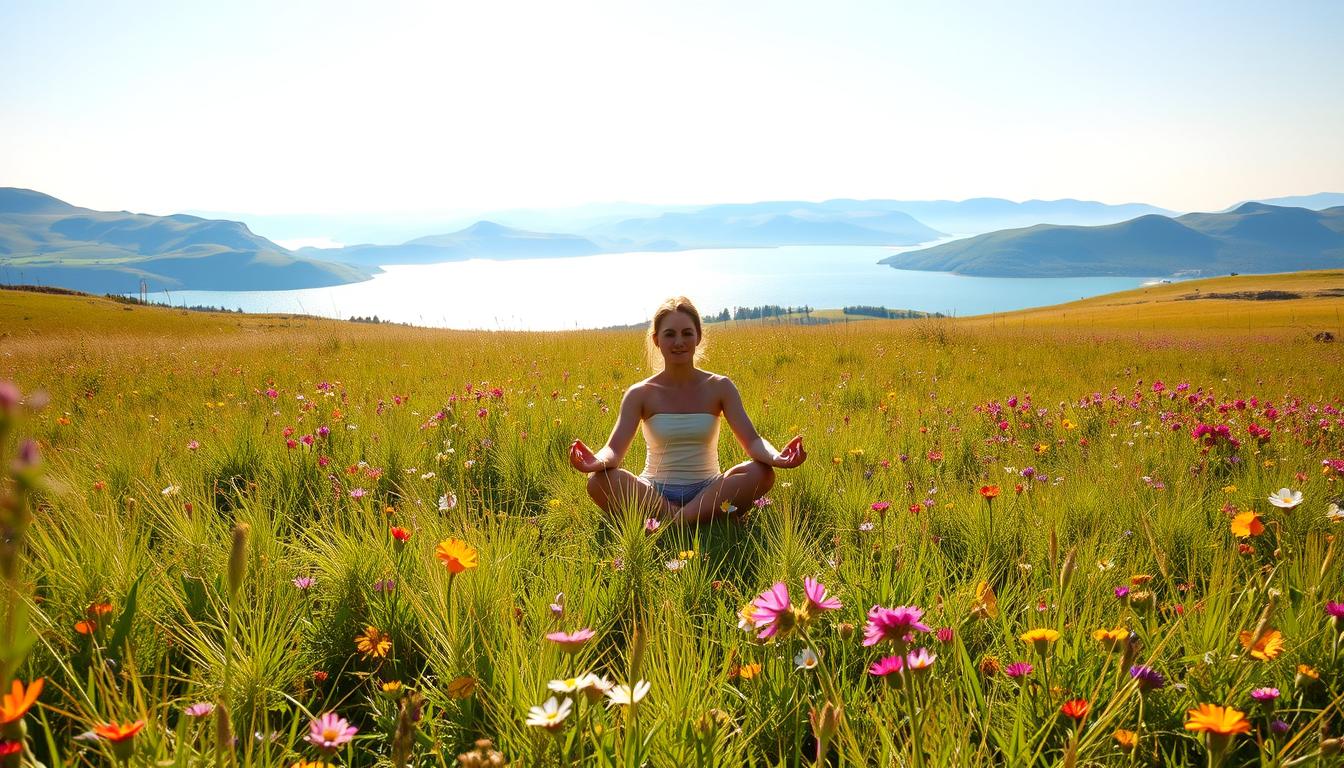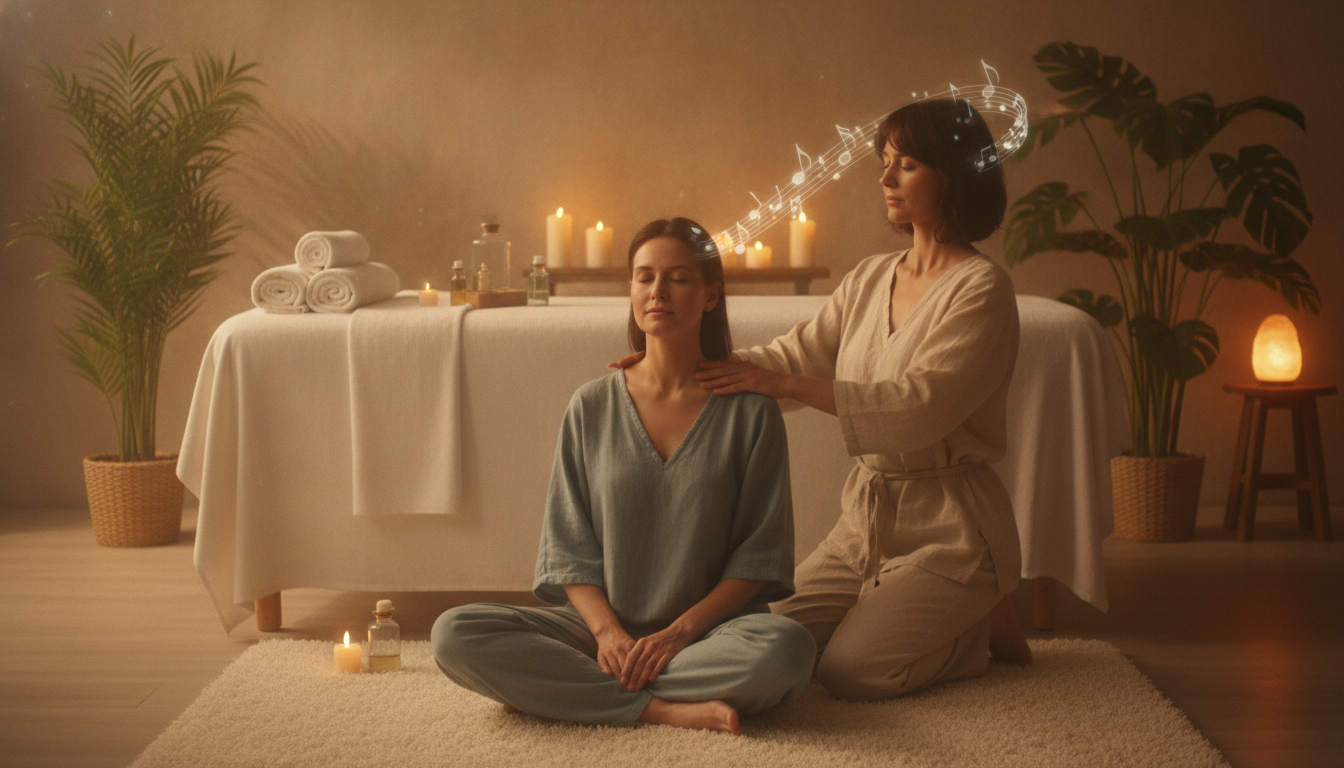
In a fast-paced world, true peace can seem impossible. Daily pressure may settle in your shoulders or leave you disconnected from your physical needs. A meditation massage blends physical touch with mental focus to offer a new path forward.
Unlike standard treatments that target tight muscles, this mindful bodywork keeps you fully present. It turns a simple session into a powerful mind-body connection and helps reset your nervous system. Matching your breath with rhythmic pressure can create holistic relaxation that lasts beyond the session.
This approach is a form of mindfulness therapy that builds awareness while easing physical aches. Whether you seek emotional balance or a quieter mind, this practice supports lasting restoration. Discover how intentional touch can help you regain calm and vitality today.
Key Takeaways
- Meditation massage integrates physical therapy with intentional mental focus.
- This practice goes beyond muscle relief to foster deeper internal awareness.
- You can reduce stress deeply by syncing your breathing with skilled touch.
- Mindful bodywork bridges your physical health and emotional well-being.
- Regular sessions support long-term restoration and improved daily focus.
Why Meditation Massage Is Gaining Attention as a Mind-Body Treatment
You may wonder why meditation massage is becoming a popular choice for people overwhelmed by daily life. This practice is popular because physical tension often reflects your mental state. By joining quiet reflection with physical touch, it offers a path to true restoration.
What the Practice Combines
This approach blends traditional manual therapy with mindful techniques. Rather than focusing only on muscle knots, the therapist guides your awareness toward the present moment. This nervous system shift helps your body release guarded patterns that standard techniques may miss.
Why Stress and Burnout Are Driving Interest
Modern life can keep us alert, causing exhaustion and physical pain. Many people use this practice to reduce cortisol levels and escape the burnout cycle. By activating the parasympathetic nervous system, the session moves your body from a state of “fight or flight” into deep rest.
How Mindful Bodywork Differs From a Traditional Massage
Standard massage mainly uses physical manipulation, while mindful bodywork links thoughts and muscles. This mental health massage approach asks you to observe sensations without judgment, helping relieve chronic stress. The goal is deep muscle relaxation by calming the mind first, not by forcing tension away with pressure alone.
| Feature | Traditional Massage | Meditation Massage |
|---|---|---|
| Primary Focus | Muscle knots and pain | Mind-body connection |
| Mental State | Passive relaxation | Active mindfulness |
| Nervous System | General soothing | Targeted regulation |
| Outcome | Physical relief | Holistic stress recovery |
Meditation massage, Mindful bodywork, Mind-body connection, Holistic relaxation
A therapist-guided session links physical relaxation with mental clarity through intentional practice. It goes beyond standard massage by asking you to take part in your healing. Through therapist-guided relaxation, your mind and body can work together.
What Happens During a Therapist-Guided Session
Your session often starts with guided breathing exercises that lower your heart rate and prepare your nervous system. As you rest on the table, the practitioner may lead a body scan meditation to reveal hidden tension.
You learn to notice sensations without judgment. Rather than forcing your muscles to relax, you notice where stress remains. This gentle practice can bring real physical relief.
How Physical Touch and Mindfulness Work Together
Manual pressure and active mindfulness work together in a way standard massage can miss. When the therapist presses a tight muscle, your focus can help the tissue soften.
This approach provides important physical touch benefits by helping your brain communicate with your muscles. You actively support your recovery instead of simply receiving massage. Touch and awareness together can help release long-held patterns of guarding.
What You May Notice During and After Treatment
During the session, you may feel deep stillness or a sudden emotional release as tension leaves your body. This natural response shows your nervous system moving into rest and recovery.
After treatment, many people report better emotional regulation and clearer body awareness. You may feel more grounded and better able to manage daily stress with a calm, steady view. Lasting effects can include a stronger physical connection and a more resilient response to daily challenges.
What Happens in Your Nervous System During a Meditation Massage
Your nervous system guides how you experience stress and recovery. When you practice mindful stress relief, you signal that your brain can release defensive patterns. This helps your body shift from high alert to deep restoration.
How the Parasympathetic Nervous System Supports Rest and Recovery
The parasympathetic nervous system is called the “rest and digest” branch of your autonomic nervous system. During a session, rhythmic touch and focused breathing stimulate the vagus nerve, which can slow your heart rate. This response supports effective self-care practices that help balance your body.
Why Lower Cortisol Levels Can Improve Stress Resilience
Chronic stress keeps cortisol levels high, leaving you feeling drained and reactive. Techniques that lower these stress hormones can build resilience against daily pressures. Regular relaxation helps your body recover and face future challenges with a clearer perspective.
The Potential Role of Serotonin and Dopamine in Mood Support
Many people find that intentional bodywork improves their mood by influencing serotonin and dopamine. These chemicals may not change instantly, but they can support how you feel after a session. Using massage for anxiety may encourage these natural “feel-good” signals in your brain.
| System State | Primary Hormone | Physical Response |
|---|---|---|
| Sympathetic (Stress) | Cortisol | Increased heart rate |
| Parasympathetic (Rest) | Serotonin | Lowered blood pressure |
| Balanced (Recovery) | Dopamine | Improved muscle tone |
Why a Nervous System Shift Does Not Replace Medical Care
These shifts may help, but they cannot replace professional medical treatment. Whether you receive wellness spa treatments or practice foam roller meditation at home, these methods should support your existing health plan. Always consult a healthcare provider about chronic conditions or severe mental health concerns while following your at-home massage routine.
How Guided Breathing Changes the Massage Experience
You can elevate your massage experience with intentional breathwork that signals safety to your nervous system. Conscious breathing turns a standard physical treatment into a profound holistic spa services experience for muscle tension and mental fatigue.
Using Slow Breaths to Signal Safety
Slow, deep breathing sends your brain a biological message that you are safe. This practice supports meditative healing touch by helping your body shift out of “fight or flight” mode. Long exhales lower your heart rate and prepare your muscles for deeper work without resistance.
Matching Breath Awareness With the Therapist’s Movements
Many people find that matching their breath to the therapist’s strokes creates a sense of flow. You do not need a set rhythm or perfect focus to enjoy a wellness retreat-style session. Notice the therapist’s hand movements and let your breath follow, fostering deeper self-care healing.
“Breath is the bridge which connects life to consciousness, which unites your body to your thoughts.”
Guided Breathing Exercises for Releasing Physical Guarding
Physical guarding often appears when stress or discomfort causes us to hold tension. Visualize your breath moving into the specific areas where your therapist works. This intentional focus softens tight tissues, making massage more effective and comfortable.
| Technique | Primary Benefit | Best For |
|---|---|---|
| Deep Diaphragmatic Breathing | Nervous system regulation | General stress relief |
| Exhale-Focused Breathing | Releasing muscle guarding | Deep tissue work |
| Rhythmic Paced Breathing | Mental clarity | Calm mind therapy |
What to Do If Focusing on Your Breath Increases Anxiety
For some people, close attention to breathing can trigger anxiety or self-consciousness. If this happens, remember that spiritual rejuvenation should not feel like a chore or pressure. Shift your focus to the therapist’s touch or ambient sounds, keeping the session supportive, nonjudgmental, and helpful for personal growth.
How Body Scan Meditation Reveals Unconscious Tension
Your body may hold stress without you noticing. Daily duties often tighten muscles, and that tension can last after work ends. Adding relaxation techniques to your routine can help you find hidden strain.
Tracking Sensations Without Judging Them
During a mindfulness practice, observe your body with curiosity, not criticism. When you notice a tight muscle, treat it as neutral information, not failure. This calm approach supports relaxation therapy and helps your nervous system feel safe enough to release tension.
Recognizing Jaw, Shoulder, Hip, and Abdominal Tension
Stress often appears as specific “holding patterns” throughout the body. Your jaw may clench, your shoulders may hunch toward your ears, and your hips may stiffen after long sitting. Anxiety can also tighten the abdomen as a protective response. Finding these areas supports body-mind harmony during a session.
Turning Physical Awareness Into Emotional Regulation
Physical awareness can bridge the body and emotions. When you soften a tense area, your mind may become calmer and more balanced. This body-mind wellness practice grounds you in the present and deepens a wellness massage into self-discovery.
How Active Mindfulness Supports Deep Muscle Relaxation
Active mindfulness directs your focus to certain muscle groups while you breathe deeply. Pairing this focus with physical touch helps release deep tension that passive rest may miss. This method supports body-mind harmony and helps muscles relax, extending lasting benefits for your wellness massage and body-mind wellness.
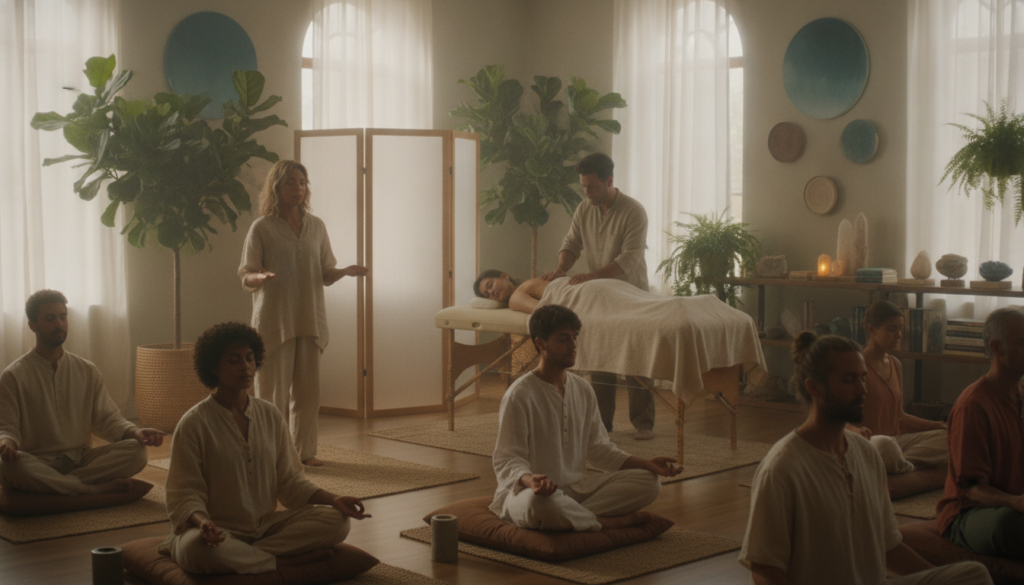
What a Session Looks Like From Arrival to Recovery
Your path to deep relaxation starts when you enter the treatment room. This structured approach to holistic healing uses your time well, easing tension and guiding you toward deep calm.
Discussing Stress, Boundaries, and Treatment Goals Beforehand
Before hands-on work begins, you will have a brief consultation with your practitioner. This conversation supports your healing therapy and lets you share current stress levels and specific discomfort.
You will also set clear boundaries for touch and pressure. These early choices create a safe space where you can fully let go without worry.
Creating a Calm Setting for Therapist-Guided Relaxation
The setting is planned to support your nervous system. Soft lighting, gentle ambient sounds, and a warm, comfortable table are standard in high-quality wellness services.
This relaxing massage setting limits outside distractions. With fewer demands on your senses, your mind can shift more easily into quiet observation.
Combining Massage Strokes With Mindfulness Cues
During the session, your therapist pairs touch with verbal or rhythmic mindfulness practices. You may focus on the sensation of the therapist’s hands or notice how your muscles respond to specific movements.
This link helps create deeper stress relief by keeping your attention in the present moment. It keeps your mind from returning to daily worries or future tasks.
| Feature | Traditional Massage | Meditation Massage |
|---|---|---|
| Primary Focus | Muscle manipulation | Mind-body awareness |
| Client Role | Passive recipient | Active participant |
| Outcome | Physical relief | Mental and physical calm |
| Technique | Deep tissue/Swedish | Guided breath/Body scan |
Leaving Time for Grounding and Post-Treatment Reflection
The last stage of your appointment matters as much as the massage itself. You will have several minutes to rest quietly while your body absorbs the changes it experienced.
This quiet reflection helps you notice changes in breathing, mood, and overall tension. It helps you leave feeling grounded, ready for your day, and filled with a renewed sense of clarity.
Who May Benefit From Meditation Massage for Stress Relief
Your body may hold stress in ways traditional methods cannot fully address. This approach supports wellness and relaxation by linking your physical state with your mental well-being.
People Experiencing High Stress or Early Burnout
If you feel constantly drained, you are not alone. Many professionals use integrative bodywork to help reset their nervous systems during early burnout. Focusing on the present moment may help release tension from long, demanding workweeks.
People Seeking Support for Anxiety and Restless Body Patterns
Anxiety can cause physical restlessness, making it hard to sit still or feel comfortable. This practice offers stress-relief services that help you notice physical sensations without judgment. Observing these patterns may help you regain control over your body’s natural response to worry.
People Interested in Holistic Relaxation and Mindfulness Therapy
People who value mindful healing may find that touch and meditation create a deeper experience than standard massage. You actively engage your mind while your body receives the care it needs. This path suits anyone seeking greater self-awareness through intentional, guided sessions.
When Chronic Pain or Mental Health Symptoms Need Additional Care
These sessions can help, but they do not replace medical treatment. If you manage chronic pain or serious mental health conditions, consult a licensed healthcare provider first. Make sure any relaxing spa treatments or energy healing therapy safely fit your medical history.
| Focus Area | Primary Benefit | Recommended Approach |
|---|---|---|
| High Stress | Nervous system reset | Regular guided sessions |
| Anxiety | Improved body awareness | Mindful breathing focus |
| Chronic Pain | Symptom management | Consult a doctor first |
| General Wellness | Holistic balance | Consistent self-care |
What Current Wellness Research and Practitioner Reactions Suggest
Modern wellness research explores how the mind and body interact during therapeutic sessions. Many people seek body-mind integration to manage daily pressures. This trend supports holistic health, physical comfort, and mental clarity.
Growing Interest in Integrative Bodywork and Mindfulness Practices
Practitioners increasingly blend traditional massage with mindfulness relaxation to support the whole person. This approach goes beyond muscle relief and encourages wellness and tranquility. Focusing on the present moment may create deeper rest than physical touch alone.
These methods are popular because people want more personal care. Many clients feel that touch and awareness help them feel grounded. Modern health studies support this shift through several key concepts:
- Psychoneuroimmunology: The study of how your mind affects your immune system.
- Embodied Cognition: The idea that your physical state influences your thoughts.
- Biopsychosocial Model: A framework that views health as a mix of biological, psychological, and social factors.
What Evidence Supports About Massage, Relaxation, and Stress Markers
Research on tranquil bodywork often finds positive changes in stress markers, including cortisol. These findings are promising, but massage is not a cure-all for medical conditions. They show that relaxation techniques may help the body recover from stress.
| Focus Area | Potential Benefit | Research Status |
|---|---|---|
| Cortisol Levels | Reduced stress response | Widely supported |
| Heart Rate | Improved regulation | Consistent findings |
| Mood Support | Enhanced emotional state | Emerging evidence |
Why Individual Results Can Vary
Each person responds differently to energy balancing and touch. Your history, stress levels, and preferences shape your experience. What brings deep mindfulness relaxation to one person may feel different to another.
There is no “one size fits all” outcome. Treat these sessions as supportive tools, not guaranteed medical fixes. Realistic expectations can help you value your personal wellness journey.
Questions to Ask About Training, Consent, and Scope of Practice
When choosing a practitioner, ask about their background. Clear communication helps keep your tranquil bodywork session safe and effective. Ask these questions to understand their approach to energy balancing:
- What specific training do you have in mindfulness-based touch?
- How do you handle consent and boundaries during a session?
- What is the scope of your practice regarding mental health support?
- How do you differentiate your services from regulated medical treatments?
How to Recreate the Mind-Body Connection at Home
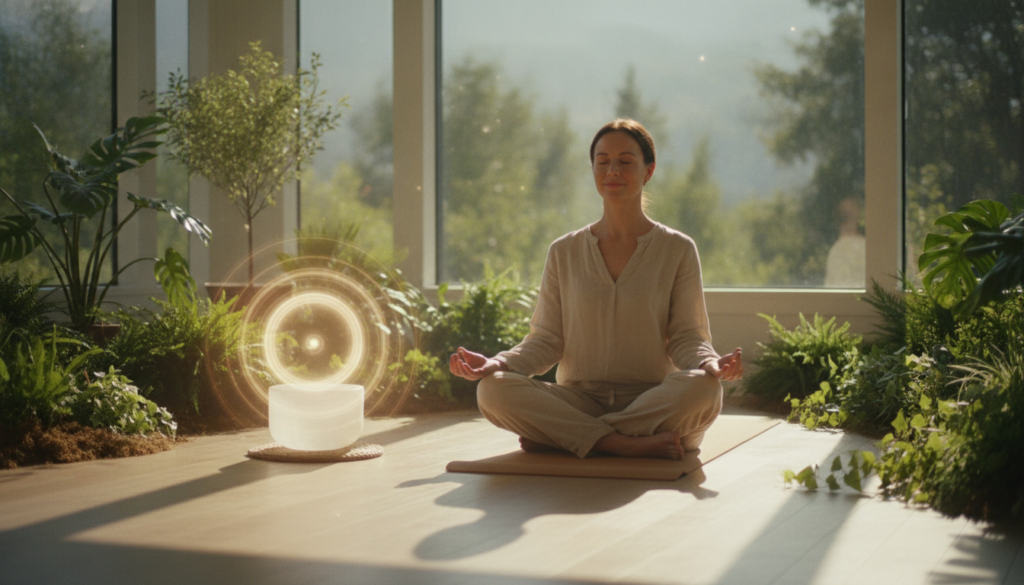
Your journey toward body-mind harmony can start at home. You don’t need costly equipment to begin your path to wellness therapy. Set aside a small corner of your living space as a sanctuary for recovery.
Preparing a Quiet, Comfortable Space
Start by choosing a place where you feel safe and will not be disturbed. Dim the lights or use soft lamps to tell your nervous system to slow down. Consistency is key to building a holistic healing habit.
Remove clutter that might distract your eyes or mind. You could play soft, ambient music to cover household noise. This simple step helps you feel calm more quickly.
Pairing a Foam Roller With Slow Breathing
A foam roller offers an excellent way to practice integrative healing on your own. As you move slowly across the roller, focus on your breath, not only the physical feeling. Deep, rhythmic breathing connects your muscles and mind.
Do not rush through the movements. Treat each roll as moving meditation. When you find a tight spot, pause and breathe into it to help the tissue release.
Using a Breathing App for Consistent Timing
Keeping a steady pace can be hard when you focus on physical discomfort. A mobile app can provide structure for effective meditation techniques. Many apps offer visual cues for your inhale and exhale cycles.
Set the app to a slow, steady rhythm, such as four seconds in and six seconds out. This intentional pacing lowers your heart rate and anchors your focus. Outside timing removes the effort of counting each breath.
Practicing a Short Body Scan Before and After Self-Massage
Before you begin, take two minutes for a mindful body-scan meditation. Close your eyes and notice where you hold tension without trying to change it. This baseline awareness helps you track your progress.
After your self-massage, repeat the scan to notice changes in your body. Your shoulders may feel lighter, or your jaw may feel less clenched. Tracking these small changes strengthens the link between physical actions and emotional well-being.
Building a Safe At-Home Massage and Mindfulness Routine
Creating a personal sanctuary for body-mind therapy requires careful attention to your physical limits. When bringing therapeutic touch into your home, make safety your top priority for a positive experience. Structured guidelines help manage tension while protecting your physical well-being.
Choosing Gentle Pressure and Supportive Positions
Choose a quiet, stable space where you can relax without distractions. Use pillows or bolsters to support your joints and keep your body neutral and comfortable. Gentle pressure works better than deep force alone, preventing muscle guarding and supporting deeper mindful relaxation.
Combining Foam Roller Meditation With Relaxation Techniques
Adding a foam roller can create a unique form of stress relief massage. Move slowly across it while taking deep, rhythmic breaths to stay calm. This practice centers your attention and turns simple movement into energy healing that clears mental clutter.
Knowing When to Stop for Pain, Dizziness, or Numbness
Listen closely to your body during every form of self-care. If you feel sharp pain, sudden dizziness, or tingling numbness, stop immediately. Pushing through these signs can cause injury instead of the intended stress relief, so choose comfort over a specific sequence or duration.
Adapting the Routine for Pregnancy, Injury, or Medical Conditions
If you have a chronic injury, are recovering from surgery, or are pregnant, standard routines may not suit you. Consult a healthcare professional before starting any new body-mind therapy or therapeutic touch practice. They can suggest personal changes that keep your journey toward mindful relaxation safe and support your health needs.
How to Choose a Practitioner and Measure Your Results
Choosing a therapist who understands mind-body therapy can improve your healing experience. The right professional offers a safe space for your unique needs, not just convenience. Prioritizing body-mind awareness helps each session support your long-term health goals.
Checking Qualifications, Communication Style, and Client Reviews
Research practitioners who specialize in holistic healing massage. Look for certifications in physical manipulation and mindfulness integration. A qualified expert should explain how their energy-balance techniques support your nervous system.
Read client reviews to learn whether others felt heard and respected. A great practitioner asks about your stress levels before work begins. They should answer questions about their methods without hesitation.
Confirming Consent Practices and Your Ability to Pause Treatment
Your comfort matters most during any relaxation massage. A professional therapist sets clear boundaries and confirms consent before and during treatment. You should feel free to adjust the pressure or stop treatment.
Do not continue if a technique feels wrong for your body. A skilled practitioner sees your request to pause as part of the mind-body therapy process. This respect builds trust for deep, restorative work.
Tracking Sleep, Mood, Muscle Tension, and Stress Recovery
Keep a simple log of your physical and emotional state. Note sleep changes after a relaxation massage and whether your mood feels steadier. Tracking these markers shows the lasting benefits of your wellness commitment.
| Metric | What to Observe | Goal |
|---|---|---|
| Muscle Tension | Daily tightness levels | Reduction in chronic pain |
| Sleep Quality | Ease of falling asleep | Deeper, restorative rest |
| Mood Stability | Emotional reactivity | Increased calm and focus |
| Stress Recovery | Bounce-back time | Improved resilience |
Regular monitoring shows how holistic healing massage and energy balance techniques affect your life. Use this data to refine your goals and speak more clearly with your therapist. Over time, this practice sharpens your body-mind awareness.
Conclusion
Lasting stress relief involves more than physical relief. With meditation massage, you invite deeper calm into daily life. This practice connects your physical state with your mental well-being.
Consistent self-care habits can strengthen your mind-body connection. Each session helps you regulate your nervous system and manage tension. Results vary based on your unique needs and lifestyle.
Integrative body therapy can support your health goals. It works best as a partner to your existing wellness routine. Always prioritize professional guidance for underlying health concerns, because this practice complements rather than replaces medical care.
Listen to your body as you explore these techniques. Whether you visit a local studio or practice at home, your commitment to mindfulness makes a difference. Begin your path toward restoration today by choosing methods that honor your physical and emotional needs.