Your body has a hidden power that connects your lower back to your legs. This connection is key for movement. It affects how you move, stand, and sit every day.
By focusing on psoas muscle health, you can improve your posture and find inner peace. When this muscle is flexible, your body naturally aligns better.
Learning about the psoas muscle function changes how you feel physically. It helps you feel more grounded and connected. Start this journey to better health by releasing tension in your core.
Key Takeaways
- The primary link between your spine plus legs supports upright posture.
- Maintaining flexibility in this region helps calm the nervous system.
- Awareness of your internal alignment prevents chronic discomfort.
- Daily habits influence how effectively your body carries weight.
- Restoring natural movement patterns enhances your overall quality of life.
Understanding the Anatomy of the Psoas Muscle
Your movement and posture rely on the psoas, a muscle linking your spine to your legs. It’s a deep muscle that connects your upper and lower body. This connection is crucial for how forces move during activities.
The Only Bridge Between Your Spine and Legs
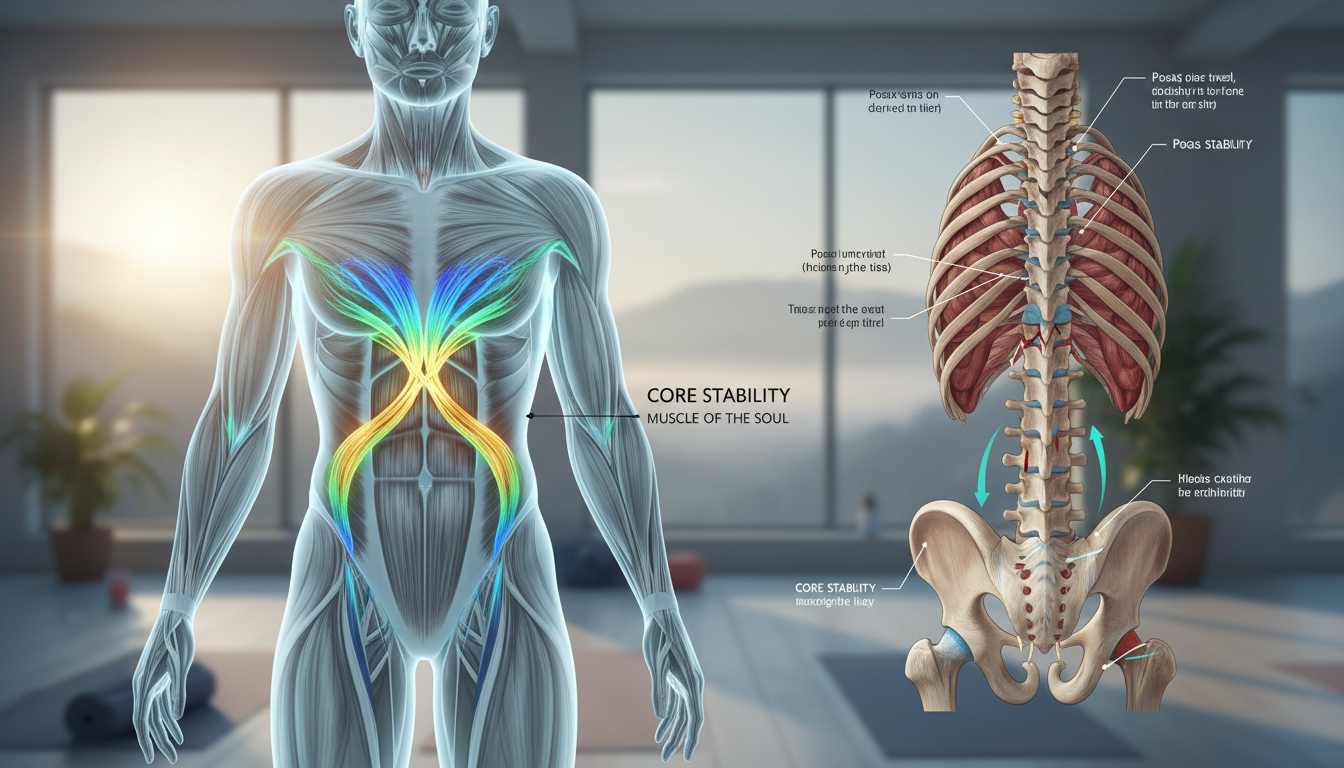
The psoas major originates from your lumbar vertebrae and inserts into your femur. It’s the only muscle that spans this area. This makes it a critical structural component of your body.
It plays a key role in activating your hip flexors during daily activities. When you move, it helps stabilize your torso and legs. Keeping this muscle healthy is vital for balanced movement.
How the Psoas Influences Deep Core Stability
The psoas also supports your deep core stability. It works with your abdominal muscles to protect your spine and keep you upright. When it works right, it helps your hips function better and reduces back strain.
Here’s how it helps your body:
- It provides structural support for your lumbar spine.
- It helps your hip flexors work efficiently during sports.
- It keeps your hips stable all day.
Being aware of your psoas can improve your posture and reduce pain. Keeping it flexible and strong supports your entire core. This is essential for long-term health and stability.
The Psoas and the Fight or Flight Response
The psoas muscle is deep in your core. It plays a key role in how you react to stress. This muscle connects your upper and lower body, making it very sensitive to your nervous system.
When you feel threatened, your hip flexors are the first to spring into action. They prepare you for quick action.
The Biological Link Between Stress and Hip Flexors
The psoas is linked to your autonomic nervous system. This system controls your body’s automatic functions. When danger is sensed, the psoas contracts quickly.
This is a basic survival response to help you run away or protect yourself.
In today’s world, your brain may confuse threats with stressful situations. This constant alertness leads to emotional stress and muscles being in a cycle of tension. Your body stays on high alert, even when you’re just sitting.
Why Your Body Stores Emotional Tension in the Hips
The interplay of emotions and muscles is clear in the pelvic area. The psoas tightens when you feel scared or vulnerable. This leads to stress-related muscle tension that’s hard to release with regular exercise.
After a tough day, you might feel your hips are stiff. This is your body holding onto the stress. By using stress management techniques, you can signal to your nervous system that you’re safe. This helps these deep tissues relax.
Understanding the emotional stress and the connection to the muscles is key to feeling better. When you breathe into these tight spots, you signal to your brain that you’re safe. This simple action helps break the cycle of fear, allowing your body to find balance and ease.
Identifying Signs of a Tight Psoas
Your body often signals distress through persistent tension, especially when your hip flexors are tight. When this deep muscle stays contracted, it can pull your pelvis out of alignment. This change affects your overall posture and comfort.
Common Physical Symptoms of Psoas Dysfunction
A tight psoas can make your hip feel tight or limit your range of motion. You might notice your stride is shorter or that standing upright is harder after sitting. These signs are your body’s way of asking for help with chronic pain management.
If your hips feel “stuck” or cramp easily, your psoas is likely tight. Early treatment is key for lower back health. Recognizing these signs helps you start targeted release techniques to improve your movement.
The Connection Between Chronic Back Pain and Hip Flexors
The psoas is special because it connects your spine to your legs. A tight psoas can put a lot of traction and compression on your lower spine. This stress is a common, yet often missed, cause of back pain.
When the muscle pulls on the lumbar spine, it forces your lower back into an arch. This misalignment is a main reason for back pain in many people. Knowing this connection helps you address the root of your chronic pain management needs. Taking care of your hip flexors is crucial for lasting lower back pain relief and long-term lower back health.
Preparing for Your Psoas Release Routine
Your journey to ease psoas muscle tension starts with careful preparation. Before starting any physical activity, get your body and mind ready for the best results. This preparation helps your nervous system relax and recover.
Creating a Mindful Environment for Muscle Tension Release
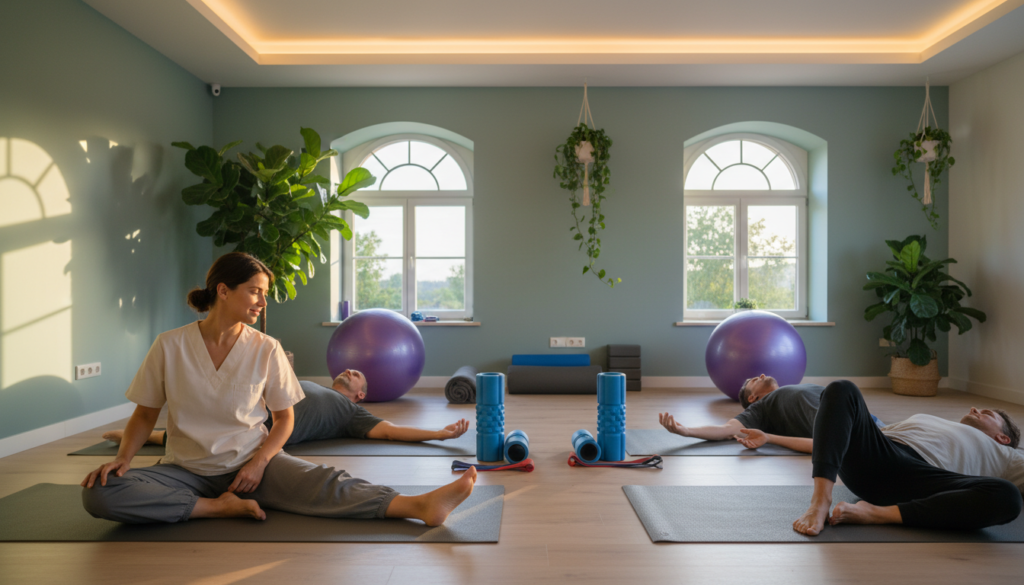
To effectively release tension in the psoas muscles, you need a quiet and safe space. Dim the lights and remove distractions to help your mind focus on body sensations. This calm environment is key to successful muscle relaxation techniques.
Use diaphragmatic breathing to relieve muscle tension. Breathing deeply into your belly tells your diaphragm and psoas that it’s safe to relax. This simple method is the base of all tension release techniques.
Safety Tips for Deep Tissue Stretching
When doing a hip flexor release, be patient. Never push your body into pain or discomfort. Instead, move slowly and listen to your muscles as you perform these psoas release techniques.
Keep a steady, rhythmic breath during your psoas release session. Holding your breath means you’re pushing too hard, which can cause strain. By following these psoas muscle release techniques, you can achieve lasting relief from muscle tension safely.
Remember, muscle tension release is a slow process that needs consistency, not intensity. By focusing on safety and mindfulness, you’ll find a lasting path to better mobility and comfort.
Mastering the Psoas Muscle Stretch
Learning to stretch the psoas muscle can change how you move. It’s about getting your alignment right. This makes simple actions into powerful hip flexibility exercises.
It not only helps you move better but also eases stress through stretching. This is great after a long day.
The Kneeling Lunge for Optimal Hip Flexibility
The kneeling lunge is a key hip flexor stretch. It targets the deep hip tissues. Start by placing one knee on a soft surface and stepping the other foot forward into a lunge.
Keep your back straight to effectively stretch the psoas muscle. Avoid arching your lower back.
It’s important to keep your spine neutral. This helps improve hip flexibility safely. Engage your core and gently tuck your tailbone to stretch deeper.
Utilizing Props for Deeper Psoas Release Techniques
At times, your body needs extra support to perform hip flexor stretches effectively. Yoga blocks or a sturdy chair can help you stay balanced. They let you focus on your breathing.
These tools help you stretch for longer. This is key for flexibility and hip health.
If reaching the floor is hard, use blocks under your hands. This keeps your spine straight and targets the right area. Here’s how different props can help:
| Prop Type | Primary Benefit | Best For |
|---|---|---|
| Yoga Blocks | Stability and Height | Beginner hip opening stretches |
| Yoga Strap | Extended Reach | Deepening the quad and psoas engagement |
| Bolster | Supportive Cushioning | Restorative psoas release |
| Wall Support | Balance Assistance | Maintaining upright posture |
Integrating Core Strengthening Exercises for Stability
Building a strong body goes beyond just doing crunches. Deep core strengthening exercises help create a solid base that protects your spine and pelvis. A strong core is key to preventing psoas dysfunction, helping your muscles work right without strain.
Building Pelvic Floor Strength to Support the Psoas
The pelvic floor is at the core of your body, working with the psoas to keep everything stable. Focusing on pelvic floor strength helps your hip flexors work more effectively without excessive tension. This teamwork is crucial for better core strength and stability.
Try these exercises to boost your pelvic floor strength:
- Diaphragmatic breathing: Expand your rib cage to engage the deep stabilizers.
- Pelvic tilts: Use your lower abs to align your pelvis and ease strain.
- Glute bridges: These strengthen hip muscles and stabilize your lower back.
Effective Core Workouts for Long-Term Psoas Health
Regular core strengthening routines are key to good movement and health. Core strength training lets the psoas work well, not just fight against instability. These deep core stability exercises target often-neglected deep abdominal muscles.
Make sure to include these exercises in your weekly routine:
- Dead bugs: Great for hip flexor activation while keeping the spine straight.
- Bird-dog holds: These improve coordination and core strength exercises that support your whole torso.
- Plank variations: Use these to enhance the core workout for stability without harming your hip joints.
By strengthening the core muscles through careful movements, you lower the risk of chronic tightness. Remember, strengthening exercises for psoas muscle health work best with proper form and steady breathing. Stick to your core-strengthening exercises for a more balanced, pain-free body.
The Mind-Body Connection and Emotional Release
Your psoas muscle holds onto emotions you haven’t dealt with. It’s called the “muscle of the soul” and is closely linked to your nervous system. Chronic anxiety can make this muscle tight, protecting your organs. Knowing how emotional stress and muscles connect is key to freedom.
Using Breathwork to Unlock Stored Fear and Stress
Breathwork is a powerful tool for releasing tension in the psoas muscles. Deep breathing tells your brain you’re safe, helping the psoas relax. As you breathe out, you release fear stored in your muscles.
Try psoas release techniques that mix breathing with gentle movements. This method eases muscle tension built up during stressful times. Regular practice helps you face and release the root of your stress.
How Mindfulness Enhances Muscle Relaxation Techniques
Mindfulness boosts muscle tension release. Being fully present in your hips lets you find where stress is stored. This mind-body connection is crucial for healing without judgment.
Adding mind-body connection exercises to your day can help you release emotions. Mindfulness and muscle tension are closely tied; being present makes it easier to release tightness. These muscle-relaxation techniques lead to lasting psoas release, bringing inner peace.
Advanced Hip Mobility Drills for Daily Maintenance
To keep your body flexible, you need to move beyond basic stretches. You should add hip mobility drills to your routine. These exercises help you improve hip flexibility and keep your hard-earned flexibility.
Dynamic Movements to Improve Hip Joint Mobility
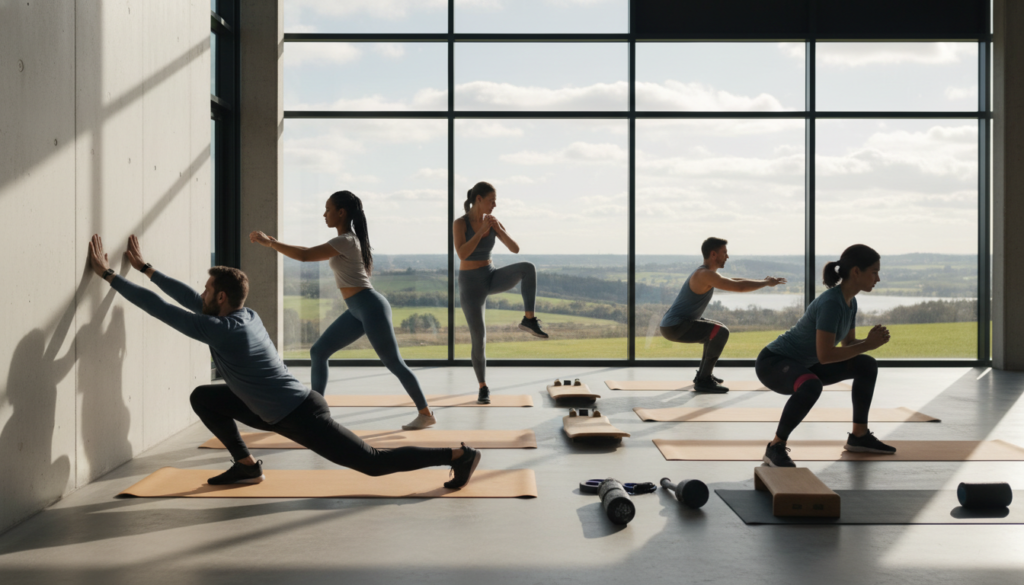
Move from static stretches to active, fluid movements. Small oscillations and gentle swaying help keep your psoas soft. These hip mobility exercises help keep your muscles relaxed as you move.
By focusing on hip joint mobility through rhythmic swaying, you release tightness. Unlike static stretches, these drills work the tissues for long-term flexibility. Daily practice keeps your hips ready for your active life.
Consistency Strategies for Holistic Wellness
Building a lasting practice is key to holistic wellness strategies. You don’t need long sessions. Short, regular exercises are better and fit your schedule.
Track your progress to stay motivated in strengthening hip muscles. Seeing these hip flexibility exercises as self-care boosts your commitment. Small daily efforts lead to big improvements in your health and comfort.
Common Mistakes to Avoid During Psoas Training
Many people unintentionally slow their progress by overtraining. It’s natural to want quick results, but rushing your psoas stretch can backfire. Knowing these common mistakes is key to a successful practice.
Preventing Over-Stretching and Muscle Strain
Forcing a hip flexor release too soon is a common error. Aggressive hip flexor stretches can make your muscles tighten up to avoid injury. This can lead to muscle strain instead of relief.
To keep your hip joint mobility healthy, follow these tips:
- Don’t bounce during hip flexor stretches; move slowly and in control.
- Stop if you feel sharp pain during stretching; it should feel like a gentle release.
- Vary your hip mobility exercises to avoid overworking one area.
- Use gentle hip mobility drills to gradually increase your range of motion.
- The best stretch for the psoas muscle should feel like a gentle, manageable tension.
Balancing Flexibility with Core Strength Training
Flexibility alone is not enough for long-term health. Focusing only on stretching can lead to instability in your pelvis and lower back. It’s important to balance your mobility work with deep core strengthening exercises to support your spine.
Building a strong foundation goes beyond stretching. Include strengthening exercises for the psoas in your routine. A well-rounded core strengthening routine helps maintain the flexibility gains you make.
By focusing on a consistent core workout for stability, you protect your joints and improve your posture. This balance keeps your body resilient, allowing you to move easily and confidently in your daily life.
Conclusion
Putting your psoas muscle health first is key to lasting comfort. It helps your lower back and improves your movement.
You now know how to strengthen your mind-body connection with muscle tension. This lets you tackle discomfort early. Regular practice is the best way to manage chronic pain.
Adding pelvic floor exercises to your routine helps keep your spine stable. Better pelvic floor health means better posture and more energy. These steps help you control your body’s health.
Working on your psoas muscles improves your whole-body function. A healthy mind-body connection makes it easier to deal with stress. Start listening to your body’s signals today.
Stick to these habits for lasting relief from lower back pain. Your effort will pay off in better mobility and peace of mind. Enjoy the stability of a balanced and released psoas.