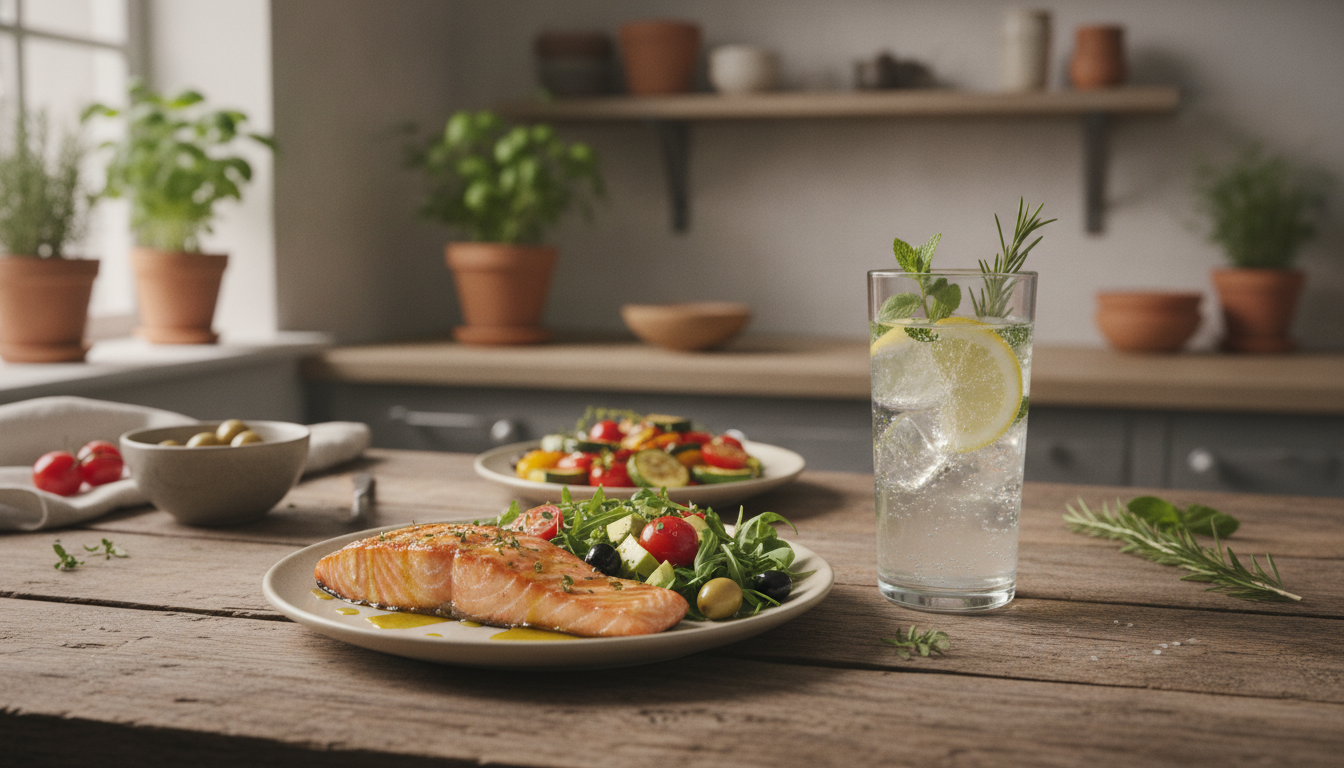
Do you want to support metabolic health while enjoying nutrient-dense, whole foods? Combining low-carbohydrate eating with heart-healthy coastal traditions creates a unique Mediterranean keto diet approach. Using keto Mediterranean diet principles with a keto one-meal-a-day schedule can simplify nutrition and improve satiety.
This advanced intermittent fasting method provides daily nutrients within one hour, followed by twenty-three hours of rest. It is not simply about eating less; this keto OMAD approach builds a Mediterranean meal plan. The plan uses high-quality proteins, healthy fats, and vibrant vegetables.
In this guide, we explain how to build a sustainable OMAD meal plan that supports healthy aging. You will learn which ingredients to prioritize, how to balance your plate, and which practices support long-term success. Whether new to a keto meal plan or a seasoned pro, this Mediterranean OMAD plan can help you thrive.
Key Takeaways
- Combine low-carb macros with whole-food fats like olive oil and avocado.
- Focus on a single, nutrient-dense eating window to support metabolic flexibility.
- Prioritize non-starchy vegetables, nuts, and seeds for essential micronutrients.
- Ensure your daily intake provides enough protein to maintain muscle mass.
- Listen to your body to ensure this fasting schedule remains sustainable and safe.
Why the Keto Mediterranean diet, Mediterranean keto diet, Keto OMAD, and Mediterranean OMAD Work Together
Combining a low-carb Mediterranean diet with intermittent fasting can offer significant metabolic benefits. This plan values food quality and meal timing instead of calorie counting alone. It may also fit your body’s natural rhythms.
Defining the Keto Mediterranean approach
The Keto Mediterranean approach uses fewer carbohydrates than traditional Mediterranean eating. It centers on olive oil, fresh low-carb vegetables, and quality proteins, such as seafood. Keto-friendly foods help your body use fat for fuel while preserving Mediterranean flavors.
This lifestyle favors whole, minimally processed ingredients over refined foods. Avocado, nuts, and seeds can become daily staples. These healthy fats provide fullness, even when you eat less often.
How ketogenic eating differs from traditional Mediterranean eating
Both styles value fresh produce, but they manage carbohydrates differently. A traditional Mediterranean lifestyle often includes legumes, whole grains, and starchy vegetables. The ketogenic version limits these foods more strictly to support metabolic flexibility.
You must watch how carbohydrates affect your blood sugar. Limiting grains and choosing leafy greens helps you follow a ketogenic diet. This change keeps your body in a state that supports efficient fat burning.
What combining low-carb eating with one meal a day can and cannot do
The OMAD (one-meal-a-day diet) can simplify your schedule and cut food-prep time. However, fasting alone cannot guarantee good nutrition. You must choose nutrient-dense Mediterranean foods to meet your body’s needs.
This combination may support weight management, but it cannot solve every health concern. Use it as a tool to improve your relationship with food, not as punishment. Consistency and food quality remain key to long-term success.
Prioritizing healthy aging, metabolic health, and sustainable weight management
Long-term health requires habits you can maintain for years. This approach supports metabolic health by reducing inflammation and keeping energy levels steady. Nutrient-dense foods provide your body with the materials it needs for healthy aging.
| Feature | Traditional Mediterranean | Keto Mediterranean |
|---|---|---|
| Primary Fuel | Balanced Carbs/Fats | Healthy Fats |
| Carbohydrate Intake | Moderate | Very Low |
| Starchy Foods | Commonly Included | Strictly Limited |
| Main Fat Source | Olive Oil | Olive Oil & Avocado |
Ultimately, this lifestyle is about finding balance. Combining the Mediterranean lifestyle with a ketogenic diet creates a strong foundation for your future. Stay focused on your goals and listen to your body during this transition.
Set Your Nutrition Targets Before Starting Keto OMAD
Success with a low-carb meal plan begins before your first meal. Set clear goals to support your metabolic health and make your ketogenic Mediterranean transition smooth and effective.
Choosing a realistic carbohydrate range
Counting total carbohydrates versus net carbohydrates
Many people succeed by tracking net carbohydrates. You calculate net carbohydrates by subtracting fiber from total carbohydrates. Fiber supports whole food nutrition and does not spike blood sugar.
This low-carb Mediterranean approach lets you eat more non-starchy vegetables while staying in ketosis.
Adjusting carbohydrate intake for activity and individual needs
Your ideal carbohydrate range depends on daily activity and personal health. Athletes may need slightly more carbohydrates for performance, while sedentary workers may need a stricter limit. Listen to your body, and adjust your intake based on how you feel.
Building one meal around adequate protein
Because you eat once daily, your meal must provide many nutrients. Choose high-quality protein from wild-caught fish, pasture-raised poultry, or eggs. Adequate protein helps maintain muscle mass and keeps you full until your next eating window.
Using healthy fats for satisfaction without forcing excessive fat intake
You do not need to cover your food with oil to get results. Use healthy fats like olive oil, avocado, nuts, and seeds in your Mediterranean diet meal plan for flavor and fullness. These fats offer lasting energy without forcing you to eat too much.
Planning hydration, sodium, potassium, and magnesium
Reducing carbohydrates makes your body shed more water and electrolytes. Prioritize hydration and replace sodium, potassium, and magnesium each day. Add anti-inflammatory foods and mineral-rich ingredients to your Mediterranean diet plan to help prevent common transition symptoms.
Recognizing when a less restrictive schedule may be more appropriate
While intermittent fasting on Mediterranean diet protocols can help, it doesn’t suit everyone. If one meal daily harms your sustainable weight management or energy, consider eating two meals. Supporting healthy aging means choosing a schedule that fits your biology and lifestyle.
Build a Nutrient-Dense Mediterranean OMAD Plate
Building your daily plate is the foundation of success with a Mediterranean-inspired fasting lifestyle. With whole-food nutrition, you give your body essential vitamins and minerals during your eating window. This approach fits Mediterranean keto diet guidelines and helps maintain energy throughout the day.
Start with quality protein from seafood, poultry, eggs, and leaner meats
Protein anchors your meal. Choose wild-caught fish, pasture-raised poultry, organic eggs, and leaner meats to increase nutrient intake. These foods provide high-quality amino acids that support muscle maintenance and fullness.
Fill most of the plate with low-carb vegetables
Vegetables should fill most of your plate, providing fiber and volume. Emphasizing low-carb vegetables helps stabilize insulin response and provides essential phytonutrients.
Leafy greens, cruciferous vegetables, zucchini, mushrooms, and peppers
Variety supports a balanced diet. Add a mix of these nutrient-dense options:
- Spinach, kale, and arugula for essential minerals.
- Broccoli, cauliflower, and Brussels sprouts for fiber.
- Zucchini, mushrooms, and bell peppers for texture and flavor.
Roasting, grilling, steaming, and sautéing vegetables with olive oil
Preparation methods affect flavor and nutrient absorption. Roasting or grilling vegetables brings out natural sweetness, while steaming preserves delicate vitamins. Use olive oil as your main cooking fat to improve absorption of fat-soluble vitamins.
Add olive oil, avocado, nuts, and seeds in practical portions
Adding healthy fats supports lasting satisfaction. Add half an avocado or a handful of walnuts for heart-healthy monounsaturated fats. Watch portions because these foods are calorie-dense, even on a healthy fats keto diet.
Use herbs, spices, garlic, lemon, and vinegar for Mediterranean flavor
You don’t need heavy sauces for delicious food. Fresh basil, parsley, and oregano add flavor without extra carbohydrates. Lemon juice or high-quality vinegar brightens meals, while garlic adds savory depth to many ketogenic Mediterranean recipes.
Include optional dairy and fermented foods thoughtfully
Small amounts of fermented foods, such as Greek yogurt or aged cheeses, may support gut health. If you include dairy, keep it within your daily macronutrient targets. These foods can add a satisfying creamy texture.
Distribute the meal to support fullness and digestion
When practicing keto intermittent fasting, rushing through your meal can feel tempting. Instead, eat slowly and chew thoroughly to aid digestion. This mindful pace helps your body signal fullness and prevents discomfort from eating too quickly.
Foods to Emphasize and Limit on a Low-Carb Mediterranean Diet
Your success with Mediterranean intermittent fasting depends on the food you eat during your eating window. With a low-carb Mediterranean diet, choose whole, unprocessed Mediterranean foods for lasting energy. This plan supplies key nutrients and helps your body stay metabolically flexible.
Keto-friendly Mediterranean foods to emphasize
Extra-virgin olive oil, olives, avocado, nuts, and seeds
Healthy fats form the base of a high-fat Mediterranean diet. Use extra-virgin olive oil for cooking and salad dressing. Add olives, avocados, walnuts, and chia seeds for satisfying fats.
Salmon, sardines, shellfish, chicken, turkey, eggs, and Greek yogurt
High-quality proteins help maintain muscle during your fasting cycle. Choose fatty fish, such as salmon and sardines, for their omega-3 content. These keto-friendly foods provide the building blocks your body needs.
Non-starchy vegetables, herbs, legumes in limited portions, and fermented foods
Fill your plate with leafy greens, zucchini, and cauliflower for more fiber. Add fresh herbs and garlic for flavor without sugar. Sauerkraut and kimchi support gut health and long-term wellness.
Foods to limit because they add refined carbohydrates or excess processing
Sugar-sweetened drinks, sweets, white bread, pasta, and refined grains
Refined carbohydrates cause insulin spikes that work against your goals. Avoid sugary drinks, pastries, and white flour products. They offer little nutrition and may slow progress on a Mediterranean diet meal plan.
Highly processed keto products and foods high in unhealthy fats
Not every packaged product labeled “keto” is healthy. Many contain artificial sweeteners and inflammatory seed oils that do not align with anti-inflammatory foods. Choose whole, single-ingredient foods whenever possible.
Large portions of potatoes, rice, corn, dried fruit, and high-sugar fruit
Starchy vegetables and high-sugar fruits can quickly end ketosis. These natural foods still contain many carbohydrates. Limit them to stay on track with your metabolic targets.
“Let food be thy medicine and medicine be thy food.”
How to handle wine, dark chocolate, berries, and other borderline foods
Small portions of borderline foods can make your Mediterranean diet for weight loss more sustainable. Enjoy a few berries or one square of dark chocolate as an occasional treat. These foods contain antioxidants, but moderation keeps your carbohydrate count low.
| Food Category | Emphasize | Limit |
|---|---|---|
| Fats | Olive Oil, Avocado | Soybean, Corn Oil |
| Proteins | Wild Fish, Eggs | Processed Deli Meats |
| Vegetables | Spinach, Broccoli | Potatoes, Corn |
| Sweets | Dark Chocolate (85%+) | Candy, Sugary Soda |
When preparing your keto Mediterranean recipes, remember that portion control matters. Even healthy foods can cause weight plateaus when you eat too much. Follow your hunger cues and choose nutrient-dense foods for the best results.
Use a Practical Keto Mediterranean Meal Plan
Creating a sustainable routine requires a reliable OMAD meal plan and a Mediterranean meal plan that fits your lifestyle. Focus on nutrient-dense foods to enjoy the benefits of the keto Mediterranean diet while keeping daily intake simple.
Follow a simple one-meal-a-day plate formula
Begin with vegetables and a generous protein serving
Start your plate by filling at least half with non-starchy vegetables like leafy greens, broccoli, or peppers. Add a generous portion of high-quality protein, such as wild-caught fish, pasture-raised poultry, or eggs. This helps meet your daily needs.
Add a measured source of fat and a low-carb Mediterranean sauce
Incorporate healthy fats like extra-virgin olive oil, avocado, or olives to provide satiety. Drizzle your meal with a low-carb meal plan-friendly sauce, such as homemade vinaigrette or creamy tahini dressing.
Finish with an optional small serving of berries, yogurt, or nuts
If you have room, round out your Mediterranean keto meal plan with walnuts or fresh raspberries. This final touch adds texture and micronutrients without disrupting your metabolic goals.
Sample meal combinations for variety
Herb-roasted salmon with Greek salad, avocado, and tahini dressing
This dish highlights the benefits of the keto Mediterranean diet by pairing omega-3 salmon with cucumbers, tomatoes, and creamy, fat-rich dressing.
Chicken souvlaki with cauliflower tabbouleh, olives, and tzatziki
Enjoy these ketogenic Mediterranean recipes by replacing traditional grains with cauliflower rice. This keeps your Mediterranean diet meal plan low-carb while preserving authentic flavors.
Garlic shrimp with sautéed spinach, zucchini, and extra-virgin olive oil
This quick meal suits people learning how to start a Mediterranean keto diet effectively. It uses simple, high-quality ingredients that cook in minutes.
Eggplant, eggs, feta, and lamb with a cucumber-herb salad
These keto Mediterranean recipes offer a hearty, satisfying meal. Their protein sources help you stay full during your fasting window.
Adapt the Mediterranean keto meal plan to your schedule
You can adjust your OMAD meal plan for keto to match your work or training hours. If you exercise in the morning, eat soon after to support recovery. If you prefer social dinners, shift your window to evening for a Mediterranean diet plan with family.
Prepare proteins, vegetables, sauces, and snacks ahead of time
Successful keto Mediterranean meal prep involves washing and chopping vegetables in advance. Cook large batches of protein and whisk together dressings to save time during the week. Ready components make it easy to assemble a complete keto meal plan in minutes. This keeps quality high.
Follow the Eating Window and Manage the Transition to OMAD
Mastering intermittent fasting on a Mediterranean diet starts with a slow, steady transition. You do not need to adopt a restrictive schedule overnight to see results. Build a lasting habit that supports your long-term health goals.
Move gradually from regular meals to one meal a day
Begin by narrowing your eating window over several weeks. First, remove late-night snacks, then try twelve hours, followed by sixteen hours of fasting. This gradual plan helps your body adapt to the one-meal-a-day diet without extra stress.
By easing into intermittent fasting on Mediterranean diet patterns, you help your metabolism adjust naturally.
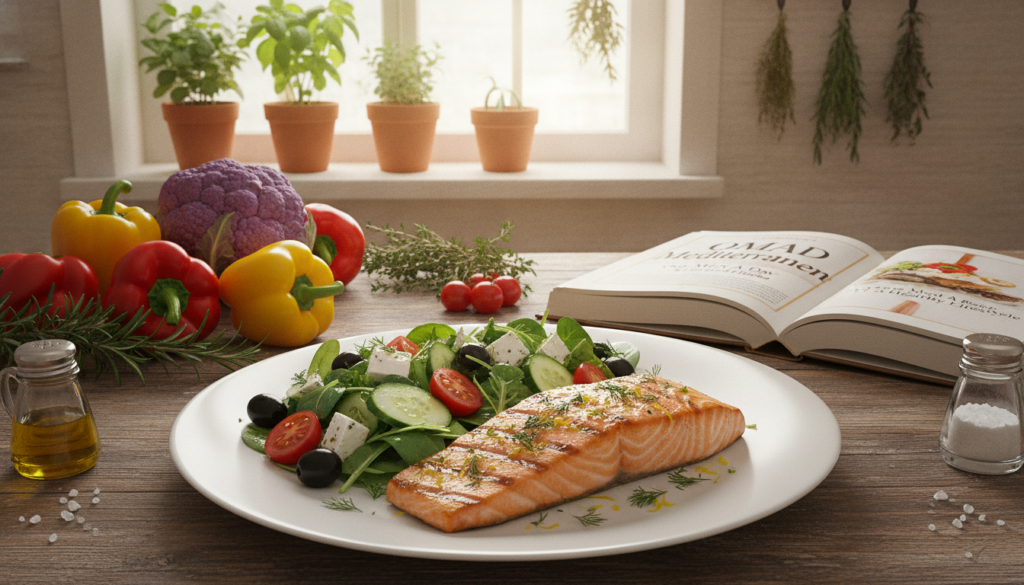
Choose a consistent meal time that fits your work and sleep schedule
Consistency is key to success. Choose a meal time that supports calm, mindful eating and proper digestion. Avoid eating near bedtime, which can harm sleep quality and cause morning sluggishness.
Use water, unsweetened tea, and black coffee during the fasting period
Staying hydrated is essential when practicing intermittent fasting keto plans. During fasting hours, choose calorie-free drinks to keep insulin levels stable. These drinks can reduce hunger and provide a mental lift.
- Drink plenty of water to maintain electrolyte balance.
- Enjoy black coffee or unsweetened tea for a gentle energy lift.
- Avoid additives like sugar or cream that break your fast.
Distinguish normal adjustment symptoms from warning signs
Understanding your body’s response to Mediterranean intermittent fasting is vital for safety. Minor changes are common as your body begins burning fat for fuel.
Hunger, headaches, fatigue, and irritability during early adaptation
You may feel temporary hunger or mild headaches during the first few days. These signs usually mean your body is learning to use stored energy. Stay patient, because these feelings often fade as your metabolism stabilizes.
Dizziness, fainting, confusion, severe weakness, or persistent nausea
If severe symptoms appear, listen to your body. Dizziness, confusion, or lasting nausea are not normal parts of how to start a keto Mediterranean lifestyle. Break your fast immediately and consult a professional.
Break the fast gently instead of eating too quickly
When it is time to eat, start with a small portion of protein or healthy fats. Eating too quickly can cause discomfort after fasting. Focus on food quality to maximize the Mediterranean diet and intermittent fasting synergy.
Adjust fasting duration when exercise, travel, illness, or stress changes your needs
Life is rarely static, so your nutrition plan should stay flexible. If you travel, face high stress, or recover from illness, you may need a longer eating window. Recognizing the OMAD benefits while staying adaptable is one of the most important tips for keto OMAD success. Remember that OMAD on a keto diet is a tool for your life, not rigid rules that control every move.
Protect Safety, Performance, and Long-Term Sustainability
Build better metabolic health with safety and professional guidance. Combining fasting with a Mediterranean lifestyle offers benefits, but individual needs vary. Before major changes, consult a healthcare provider familiar with your medical history.
Discuss Keto OMAD with a qualified healthcare professional
Keto and Mediterranean nutrition require careful attention to how your body processes nutrients. A doctor can assess whether this approach fits your health status and long-term goals.
Diabetes medications, blood pressure medications, and hypoglycemia risk
If you take diabetes or high blood pressure medicine, use extreme caution. Quick changes in carbohydrate intake can suddenly lower blood sugar or blood pressure. Work with your physician to adjust doses before starting a restrictive eating schedule.
Pregnancy, breastfeeding, adolescence, and older-adult considerations
Some life stages need more nutrients and steady energy. Pregnancy, breastfeeding, and adolescence generally do not suit restrictive fasting protocols. Older adults should protect muscle and bone health, which aggressive fasting may harm.
Kidney disease, gallbladder conditions, gastrointestinal disorders, and eating disorder history
People with kidney disease or gallbladder issues may feel discomfort after high-fat, low-carb meals. People with eating disorder histories should avoid rigid fasting windows, which can worsen unhealthy food relationships. Put mental and physical well-being before strict diet rules.
Support exercise and recovery with appropriate meal timing
Proper fueling supports a heart-healthy diet while you stay active. If you exercise, time your meal near your recovery window. This gives muscles the amino acids and nutrients they need to repair after hard exercise.
Monitor energy, digestion, sleep, menstrual health, and workout performance
Watch how your body responds to the new routine. Consistent healthy aging depends on recognizing when a plan no longer meets your needs. Use the following table to track progress and spot warning signs.
| Indicator | Positive Sign | Warning Sign |
|---|---|---|
| Energy Levels | Stable throughout the day | Persistent fatigue or dizziness |
| Sleep Quality | Deep, restorative rest | Difficulty falling or staying asleep |
| Workout Performance | Consistent strength and endurance | Rapid decline in power output |
Use blood tests and clinical guidance when medically appropriate
Objective data is your best safety tool. Regular blood panels can track lipid profiles, fasting glucose, and inflammatory markers. Clinical guidance can show whether food choices improve internal health, not just scale numbers.
Know when to switch from OMAD to a two-meal or flexible Mediterranean keto plan
Consistency is the main key to success. If low-carb eating in one meal causes digestive distress or lasting hunger, adjust your plan. Two meals may provide similar metabolic benefits while giving your social life and digestion more flexibility.
Troubleshoot Common Keto Mediterranean OMAD Challenges
This approach does not require perfection. Learn to respond to your body’s unique signals for sustainable weight management. Early adjustments protect your progress and reduce stress.
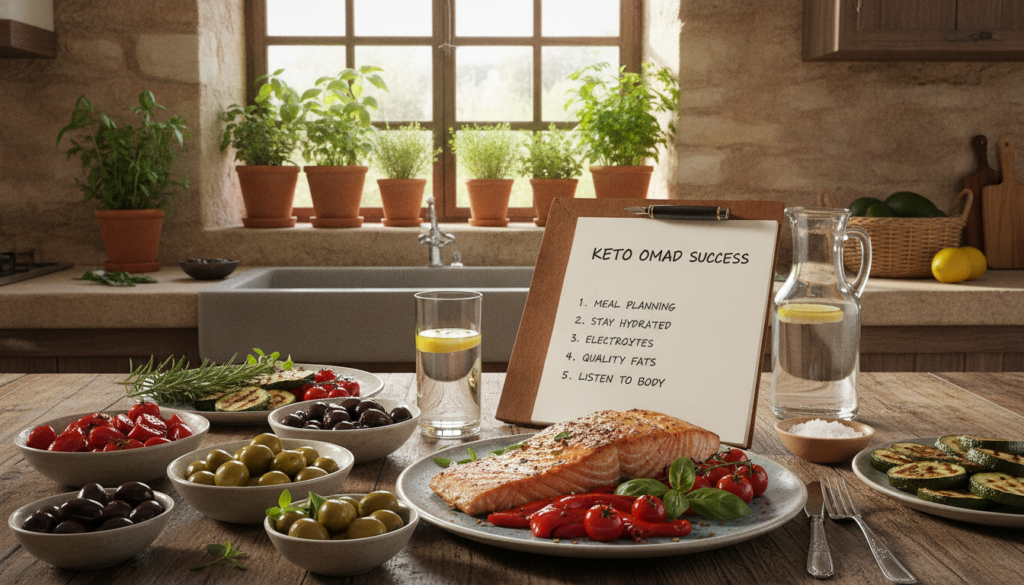
Correct low energy and persistent hunger without abandoning nutrient density
If you feel tired or hungry, check your electrolyte levels first. Sodium, potassium, and magnesium help maintain energy during keto weight loss. Eat enough protein and fiber to help steady blood sugar.
If hunger continues, your calorie intake may be too low. Add a little more healthy fat to feel fuller. If needed, try a flexible schedule that supports your weight-loss goals.
Reduce digestive discomfort from a very large meal
A large meal can strain your digestive system. Eat slowly so your brain can recognize when you’re full. Choose smaller portions of calorie-dense, nutrient-rich foods.
Steam vegetables or blend soups for gentler preparation. If discomfort continues, split your intake into two smaller meals. This change may help your body process nutrients more easily.
Prevent inadequate protein, fiber, or micronutrient intake
High-quality ingredients help meet your nutrition needs. Choose varied keto diet recipes with leafy greens, nuts, and seeds for fiber. Begin with quality protein, such as fish or eggs.
If one meal cannot provide all your nutrients, add a small amount of fermented food. Fermented foods support gut health and vitamin absorption. Variety helps prevent deficiencies over time.
Manage restaurant meals, holidays, and social occasions
Social events should bring joy, not stress. When dining out, choose Mediterranean cuisine staples, such as grilled fish, olive oil dressings, and fresh salads. Stay focused without being perfect.
Choose protein and vegetable options from the menu. If you eat a non-keto item, return to your routine at the next opportunity. Flexibility supports a healthy, long-term lifestyle.
Stay consistent without treating the plan as an all-or-nothing diet
One of the best tips for success with keto OMAD is viewing your journey as daily choices. Missing a window or eating outside your plan does not mean failure. Consistency grows through small, repeated actions.
Notice how you feel instead of watching the clock strictly. During travel or stress, adjust your eating window. Your ability to adapt makes this approach sustainable.
Measure progress beyond scale weight
The scale is only one health-tracking tool. Notice how your clothes fit, your daily energy, and your sleep quality. These signs may show progress better than one number.
Track workout strength and mental clarity. If available, monitor laboratory markers with your physical changes. Celebrating non-scale victories can support long-term motivation.
| Challenge | Primary Strategy | Secondary Adjustment |
|---|---|---|
| Persistent Hunger | Increase protein intake | Check electrolyte balance |
| Digestive Bloating | Eat more slowly | Split into two meals |
| Low Energy | Review fat intake | Improve sleep quality |
| Social Pressure | Prioritize proteins | Focus on social connection |
Conclusion
Blending low-carb precision with whole-food quality builds a strong foundation for health. Enjoy the benefits of combining Mediterranean and keto diets with olive oil, fresh seafood, and leafy greens. This Mediterranean keto lifestyle supports metabolic health and lasting weight management without rigid rules.
Learning how to follow a Mediterranean keto lifestyle starts with listening to your body. One-meal-a-day keto may fit your schedule, while a flexible plan may suit you better. Try Mediterranean keto recipes and keto Mediterranean recipes to keep meals exciting within your nutrition goals.
The strength of ketogenic Mediterranean eating lies in its flexibility. You may choose one Mediterranean meal a day or two smaller meals, based on your needs. You gain the benefits of keto Mediterranean diet structures by choosing quality protein and healthy fats over processed alternatives.
This keto-Mediterranean fusion can support healthy aging without feeling restrictive. Adjust your eating window to match your activity levels and personal needs. Following a Mediterranean diet with keto principles can nourish your body and support long-term wellness goals.